The credibility gap in psychedelic drug development continues to narrow with positive top-line data from a Beckley Psytech Ltd. phase IIa study in depression. The results keep the treatment into a tight race with GH Research plc, which also has an inhalable drug in development.
The merger of Protagenic Therapeutics Inc. and Phytanix Bio Inc. combines two different approaches to treating obesity and metabolic issues. The all-stock deal will merge Protagenic’s peptide candidate in IND-enabling development for treating depression, anxiety, posttraumatic stress disorder and additional indications, along with Phytanix’s cannabinoid and cannabinoid-like molecules for bladder pain syndrome and treatment-resistant focal seizures.
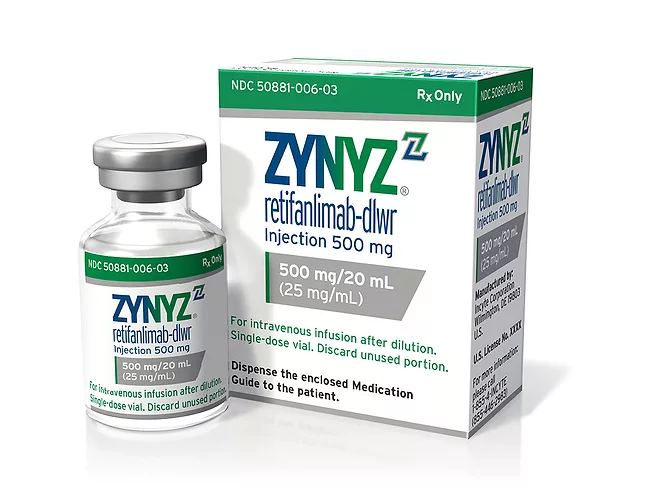
Incyte Corp.’s Zynyz (retifanlimab-dlwr) has received another U.S. FDA approval and put some distance between it and a 2021 complete response letter. The FDA gave the humanized monoclonal antibody targeting PD-1 the nod for first-line treatment of adults with inoperable locally recurrent or metastatic squamous cell carcinoma of the anal canal. That makes it the only approved first-line treatment for this cancer.
In a deal that could top out at about $2.2 billion, Septerna Inc. is getting $200 million up front from Novo Nordisk A/S in a collaboration to develop oral treatments for obesity, type 2 diabetes and other cardiometabolic indications. There will be four programs for discovering, developing and commercializing small molecules targeting G protein-coupled receptors, which includes GLP-1, GIP and glucagon receptors, with both companies putting their shoulders to conducting research from discovery to choice of candidate.
TIGITs took another tumble with GSK plc’s decision to end a development program and a collaboration with Iteos Therapeutics Inc. New top-line results from a phase II study in non-small-cell lung cancer using belrestotug, an anti-TIGIT monoclonal antibody, were disappointing so the companies are calling it a day.
Following last fall’s $1 billion development deal with Eli Lilly and Co., precision medicine company Haya Therapeutics SA has raised $65 million in a series A. It’s all part of increased validation from big pharmas that long noncoding RNAs, such as those being developed by Haya, have a strong future.
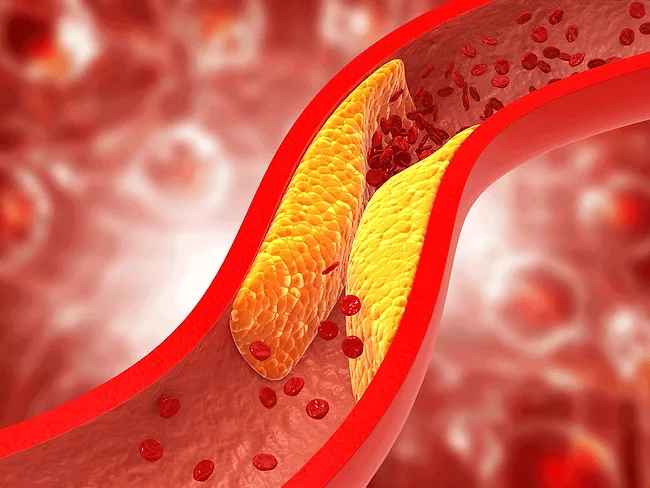
With positive phase IIa cardiovascular disease results in hand, Marea Therapeutics Inc. said it is ready to move on to a phase IIb study sometime in the second quarter of 2025. MAR-001, a monoclonal antibody targeting the protein coding gene ANGPTL4, produced an up to a 52.5% placebo-adjusted mean reduction in remnant cholesterol and up to a 52.7% placebo-adjusted mean reduction in triglycerides at 12 weeks.
Actuate Therapeutics Inc. said its lead candidate, elraglusib, in pancreatic cancer demonstrated a substantial improvement in median overall survival compared to data from the same phase II study released in December 2024, but it wasn’t enough to convince investors.
Less than a week after announcing it had a new CEO, privately held Creyon Bio Inc. began a licensing and research partnership with Eli Lilly and Co. Creyon is getting $13 million up front and could bring in more than $1 billion in milestone payments. The two plan to find, develop and commercialize RNA-targeted oligonucleotide treatments for a range of diseases.
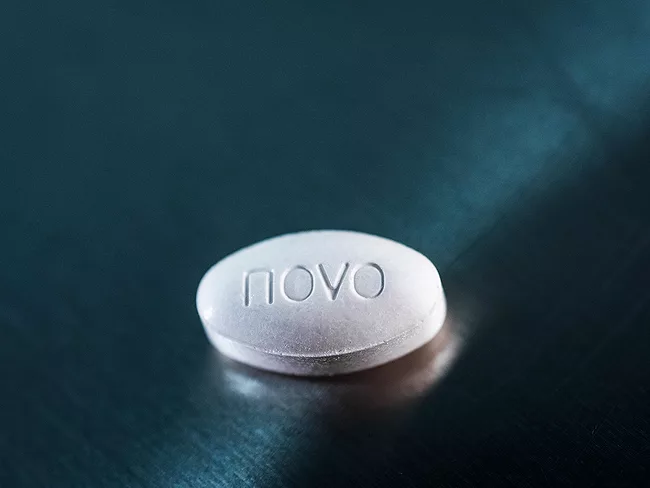
The U.S. FDA has accepted the NDA for an oral formulation of Novo Nordisk A/S’s Wegovy (semaglutide) in treating obesity. If approved, the daily pill will be the first oral GLP-1 for treating chronic weight management. So far, however, it has been injectables leading the way to approval.