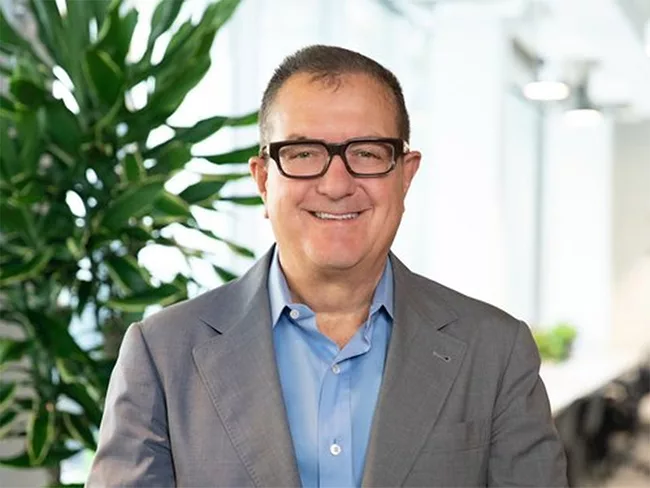
The founding CEO of Alnylam Pharmaceuticals Inc. is now leading the charge with newly launched City Therapeutics Inc., which just completed a $135 million series A financing. City’s executive chair, John Maraganore, will be in familiar territory as the new company plans to develop RNAi-based medicines using next-generation siRNA engineering. He expects dozens of these therapies to reach the market in a relatively short period of time, not just from City Therapeutics but from other companies. It’s a period in the development timeline that he finds reminiscent of the rise and development of monoclonal antibodies.
The U.S. FDA has issued yet another complete response letter (CRL) for dasiglucagon, a glucagon receptor agonist, being developed by Zealand Pharma A/S for treating congenital hyperinsulinism, an ultra-rare disease that is also being targeted by at least two other companies. This CRL is pegged to the timing of a third-party manufacturing facility reinspection that was done in August and September. The agency also wants some additional clinical analysis from the phase III study.
Bad news has buffeted Sage Therapeutics Inc. twice in the past few months. Now its placebo-controlled phase II Lightwave study of dalzanemdor in Alzheimer's disease has missed the primary outcome measure, prompting the company to stop development of the NMDA receptor positive allosteric modulator in the indication.
Gene and cell therapies will drive innovation for the next 10 years, Claus Zieler, the chief commercial officer at Astellas Pharma Inc., said in the newest episode of the BioWorld Insider podcast. Developers are on the cusp of breakthroughs because a gene can now be replaced “and that means we can potentially cure a disease rather than intervening in a disease.”
Gene and cell therapies will drive innovation for the next 10 years, Claus Zieler, the chief commercial officer at Astellas Pharma Inc., said in the newest episode of the BioWorld Insider podcast. Developers are on the cusp of breakthroughs because a gene can now be replaced “and that means we can potentially cure a disease rather than intervening in a disease.”
Gritstone Bio Inc. has had a tough year and new interim phase II data of Granite haven’t helped. The company called the progression-free survival results “encouraging” in the ongoing phase II/III trial of its personalized neoantigen-targeting immunotherapy for treating front-line microsatellite stable colorectal cancer.
In the year’s fourth-largest deal, Prime Medicine Inc. will collaborate with Bristol Myers Squibb Co. in a research collaboration and license agreement totaling $3.61 billion. The two companies plan to develop reagents for ex vivo T-cell therapies. While the programs and targets have yet to be disclosed, BMS is expanding its CAR T development, begun more than five years ago, with this deal.
In the year’s fourth-largest deal, Prime Medicine Inc. will collaborate with Bristol Myers Squibb Co. in a research collaboration and license agreement totaling $3.61 billion. The two companies plan to develop reagents for ex vivo T-cell therapies. While the programs and targets have yet to be disclosed, BMS is expanding its CAR T development, begun more than five years ago, with this deal.
Capricor Therapeutics Inc. just wrapped up a visit with the U.S. FDA and is prepping to file a BLA in October for its Duchenne muscular dystrophy treatment. Linda Marbán, the company’s CEO, is the guest on the newest BioWorld Insider podcast and she talks about deramiocel (CAP-1002), the company’s allogeneic cardiac-derived cell therapy, for treating the rare disease and how the FDA has made strong efforts in helping lay the groundwork for deramiocel.
The U.S. FDA has lifted the full clinical hold it imposed in June on Biomea Fusion Inc.’ s phase I/II studies of BMF-219 in types 1 and 2 diabetes. A safety review of the phase IIb expansion study was encouraging and none of the elevated lab values confirmed serious liver injury or impairment, said Biomea’s CEO, Thomas Butler.