Jounce Therapeutics Inc. is leaving Redx Pharma plc at the altar after deciding instead to merge with Concentra Biosciences LLC. In late February, Jounce had said it planned to merge with Redx in an all-share transaction that would have created a $425 million combined entity.
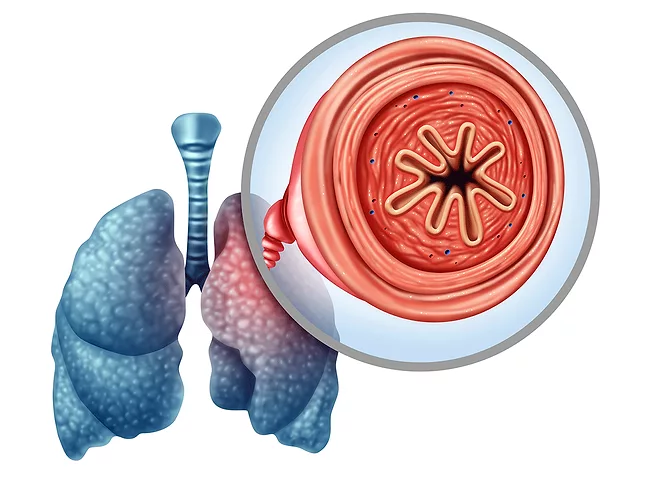
Dupixent (dupilumab) continues to expand its scope, this time potentially leading it and its developers into a new, multibillion dollar blockbuster market. Dupixent hit the primary and all key secondary endpoints in a phase III study of treating chronic obstructive pulmonary disease (COPD).
Tofersen’s development is progressing in fits and starts. That was evident at the U.S. FDA’s March 22 meeting of the Peripheral and Central Nervous System Drugs Advisory Committee, which unanimously agreed Biogen Inc.’s failed phase III study predicted a clinical benefit in treating amyotophic lateral sclerosis (ALS) that includes the rare superoxide dismutase 1 component.
Mereo Biopharma Group plc said its path to approval for alvelestat is a phase III study that would preclude an additional confirmatory trial. After meetings with the U.S. FDA and the EMA to discuss next steps, Mereo said it is designing a single, 12- to 18-month, global phase III of the neutrophil elastase inhibitor for treating alpha-1-antitrypsin deficiency-associated lung disease.
Despite a failed phase III study, the U.S. FDA suggests in briefing documents that tofersen (BIIB-067) is effective for treating the rare, genetic disease superoxide dismutase 1 amyotrophic lateral sclerosis (ALS). The intrathecally injected therapy is being developing by Biogen Inc. and Ionis Pharmaceuticals Inc. and is at the heart of a March 22 meeting of the agency’s Peripheral and Central Nervous System Drugs Advisory Committee (adcom).
As it struggles to launch a recently approved drug, Acer Therapeutics Inc. hit pause in its ACER-801 (osanetant) program after top-line data in the phase IIa proof-of-concept study failed to hit statistical significance.
Top-line results of a phase II study of RXC-004, a porcupine inhibitor for treating certain Wnt ligand-dependent cancers, are not good enough to continue development as a monotherapy for biliary tract cancer, according to Redx Pharma plc. Despite the monotherapy arm not hitting progression-free survival at six months, the Porcupine2 study continues with its other treatment arm, this one using Keytruda (pembrolizumab, Merck & Co. Inc.). Data from that arm are set to come in the second half of 2023.
Protagonist Therapeutics Inc. got a win in its phase IIb study and is making plans for a phase III. JNJ-2113 (formerly PN-235), an oral, interleukin-23 receptor antagonist peptide, hit its primary efficacy endpoint in treating moderate to severe plaque psoriasis. A statistically significant greater proportion of the participants receiving JNJ-2113 saw a 75% improvement in their skin lesions compared to placebo at week 16.
Positive results from Bridgebio Pharma Inc.’s phase II study of infigratinib in children with achondroplasia, a genetic disease that inhibits bone length and leads to short stature, prompted the company stock to surge. Participants receiving the highest dosage, which was the fifth cohort getting 0.25 mg/kg daily, saw a 3.03-centimeter increase, about 1.19 inch, in their height annually, which produced a “p” value of 0.0022.