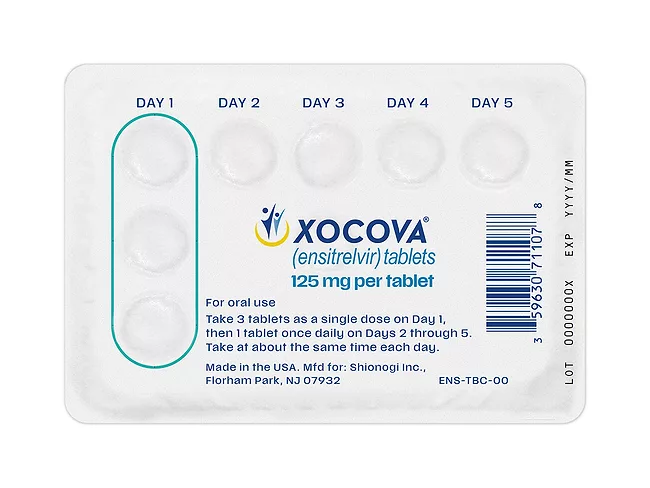
The U.S. FDA approved 24 drugs in May 2026, the busiest month of the year so far. Up from April’s 14, it brings the year-to-date total to 84 approvals. Through May, the agency has cleared 20 new molecular entities, a pace that, if sustained, would put 2026 on track to approach or exceed several recent years.
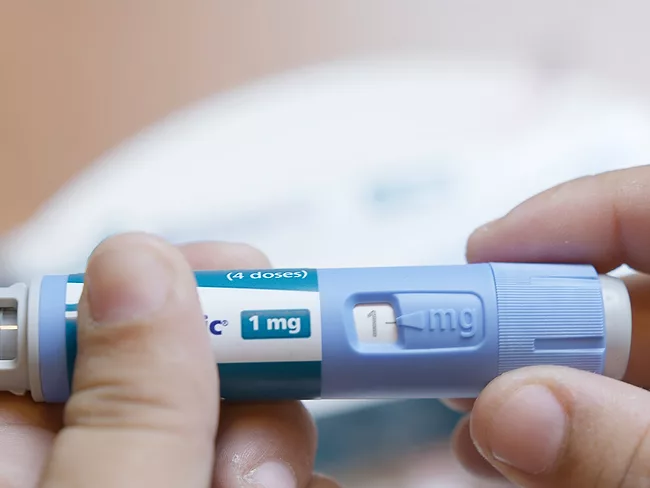
GLP-1 receptor agonists remained center stage at the 2026 Scientific Sessions of the American Diabetes Association with Boehringer Ingelheim GmbH and Astrazeneca plc, joining the leaders, Eli Lilly and Co. and Novo Nordisk A/S, in presenting data for their respective GLP-1 drugs.
Antibody-drug conjugate (ADC) specialist Ona Therapeutics SL has closed an oversubscribed series B at $86.6 million, as clinical development of the lead program ONA-255 in advanced treatment-resistant breast cancer gathers steam.
“I need to be honest with you about something important. Most previous Ebola outbreaks in the Democratic Republic of Congo (DRC) were caused by a virus called Ebola Zaire, for which we have vaccines and treatments. This outbreak is caused by a different virus called Ebola Bundibugyo. There are currently no approved vaccines or treatments for it.” This was the stark message from Tedros Adhanom Ghebreyesus, director general of the World Health Organization (WHO) in an open letter to the people of the DRC, as he traveled to the country on Friday, May 29.
Multiple updates on TROP2-directed antibody-drug conjugates (ADCs) for lung and breast cancers highlight both progress made and opportunities for improvement for the targeted class of cancer therapeutics.
Multiple updates on TROP2-directed antibody-drug conjugates (ADCs) for lung and breast cancers highlight both progress made and opportunities for improvement for the targeted class of cancer therapeutics.
Less than two weeks after the outbreak was officially declared, animal studies of a newly designed vaccine against the Bundibugyo Ebola virus are now underway in the U.S. and U.K., and the Serum Institute of India is standing ready to manufacture the vaccine for clinical trials. If the animal tests are positive, the vaccine will be ready for clinical trials in two to three months.
Less than two weeks after the outbreak was officially declared, animal studies of a newly designed vaccine against the Bundibugyo Ebola virus are now underway in the U.S. and U.K., and the Serum Institute of India is standing ready to manufacture the vaccine for clinical trials. If the animal tests are positive, the vaccine will be ready for clinical trials in two to three months.
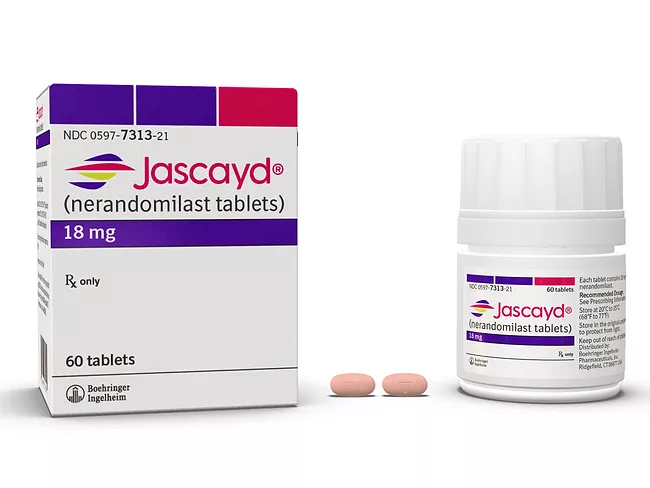
As generic versions of its blockbuster drug Ofev (nintedanib) start to hit the market, Boehringer Ingelheim GmbH looks to have swerved the patent cliff, with European and Japanese regulators both approving a potential replacement, Jascayd (nerandomilast), this week. At its monthly meeting, the EMA’s Committee for Medicinal Products for Human Use also recommended Novartis AG’s Vijoice (alpelisib) be given conditional approval in the treatment of PIK3CA-related overgrowth spectrum disorders.
It looks like the end of the road for many of the court challenges to the Inflation Reduction Act’s (IRA) provision requiring Medicare to negotiate prescription drug prices. The U.S. Supreme Court denied cert May 18 to petitions brought by six biopharma companies that raised questions about the constitutionality of the negotiations. All but one of the suits involved were denied in the Third Circuit; the other one was denied in the Second Circuit, so there is no circuit split – yet.