Hematopoietic stem cell research over the past century has shown that leukemia may be driven by an invisible hand of inflammation. The bone marrow and inflammation, then, may hold the keys to preventing blood cancers, according to John E. Dick’s plenary session at the 2026 Korean Society of Hematology International Conference, held March 26, 2026.
Hematopoietic stem cell research over the past century has shown that leukemia may be driven by an invisible hand of inflammation. The bone marrow and inflammation, then, may hold the keys to preventing blood cancers, according to John E. Dick’s plenary session at the 2026 Korean Society of Hematology International Conference, held March 26, 2026.
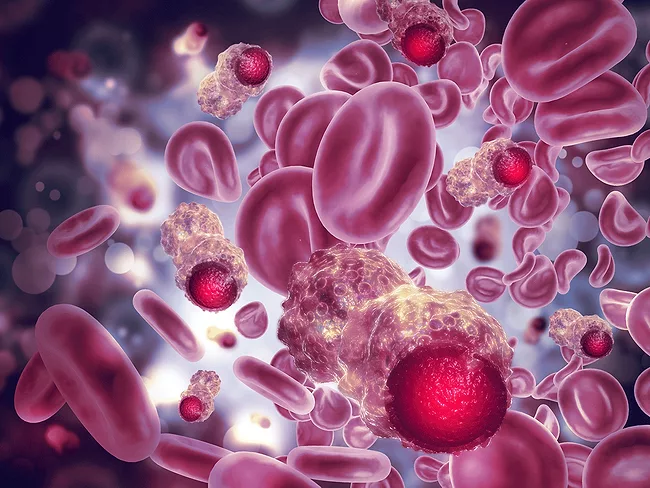
Hematopoietic stem cell (HSC) research over the past century has shown that leukemia may be driven by an invisible hand of inflammation. The bone marrow and inflammation, then, may hold the keys to preventing blood cancers, according to John E. Dick’s plenary session at the 2026 Korean Society of Hematology International Conference (ICKSH 2026), held March 26, 2026. Work in Dick’s lab has found acute myeloid leukemia (AML) HSCs that harbor preleukemic mutations long before any disease diagnosis. These insights have enabled predictive models that could identify individuals at elevated AML risk years before the onset of outright disease, opening the door to new prevention strategies.
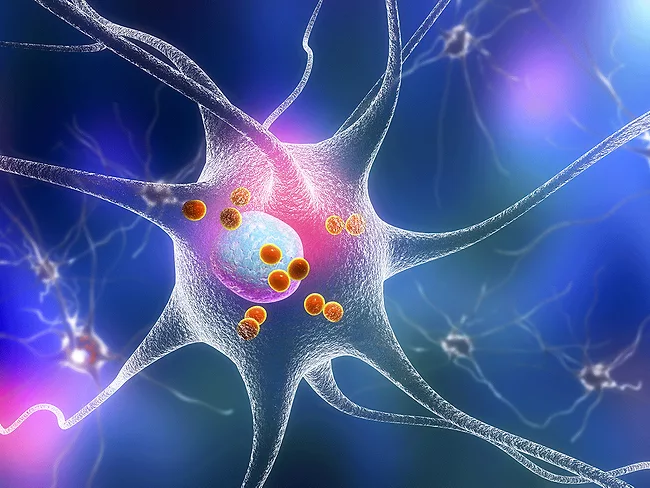
Oryon Cell Therapies, named after the Orion constellation used for navigation at night, emerged from stealth mode to announce a new round of funding and to present data from the phase Ib/IIa study of its neuron replacement therapy in patients with Parkinson’s disease at the 20th International Conference on Alzheimer’s and Parkinson’s Diseases.
Clarivate plc has unveiled the 2025 Citation Laureates. Widely considered a predictor of the Nobel Prizes, this recognition has highlighted the discovery of biomolecular condensates in chemistry and the innate immunity signaling pathway in physiology or medicine, as well as the identification of leukemia stem cells and ghrelin, the so-called hunger hormone.
Clarivate plc has unveiled the 2025 Citation Laureates. Widely considered a predictor of the Nobel Prizes, this recognition has highlighted the discovery of biomolecular condensates in chemistry and the innate immunity signaling pathway in physiology or medicine, as well as the identification of leukemia stem cells and ghrelin, the so-called hunger hormone.
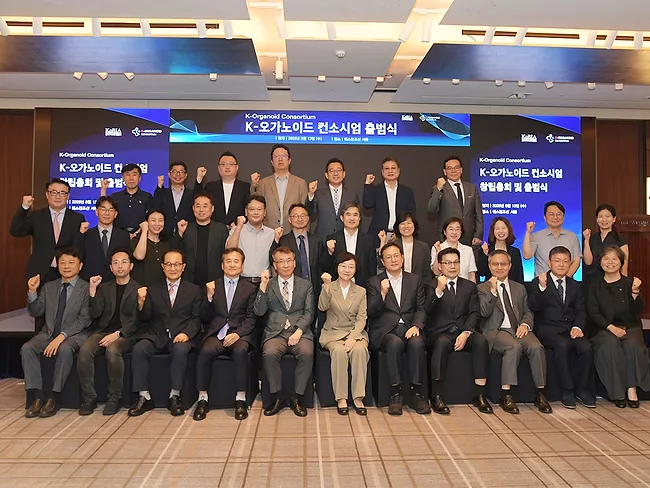
South Korea’s Ministry of Food and Drug Safety (MFDS) launched a new industry-academia-research consortium to support the nation’s organoid industry, expected to grow in light of the U.S. FDA’s shift away from animal testing in the development of novel drugs.
South Korea’s Ministry of Food and Drug Safety (MFDS) launched a new industry-academia-research consortium to support the nation’s organoid industry, expected to grow in light of the U.S. FDA’s shift away from animal testing in the development of novel drugs.
South Korea’s Ministry of Food and Drug Safety (MFDS) launched a new industry-academia-research consortium to support the nation’s organoid industry, expected to grow in light of the U.S. FDA’s shift away from animal testing in the development of novel drugs.
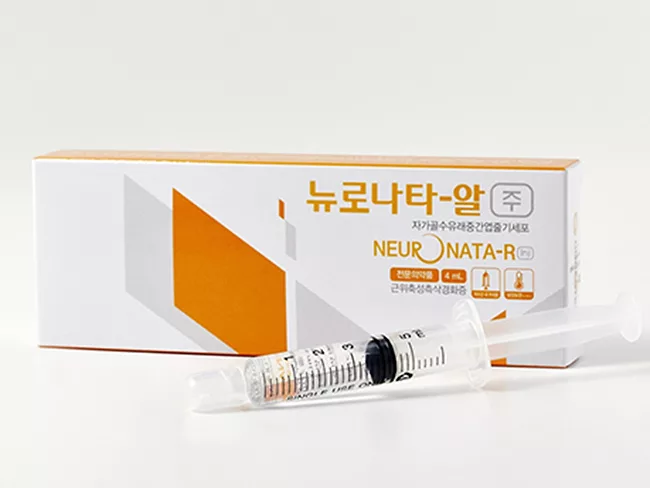
Corestemchemon Inc. is planning to file a BLA for Neuronata-R (lenzumestrocel) by the end of 2025 to gain accelerated approval from the U.S. FDA, company officials confirmed to BioWorld during a June 2 interview. Neuronata-R is an autologous bone marrow-derived mesenchymal stem cell therapy that first gained approval in South Korea in 2014 to delay the progression of amyotrophic lateral sclerosis (ALS), a progressive neurodegenerative disorder also known as Lou Gehrig’s disease.