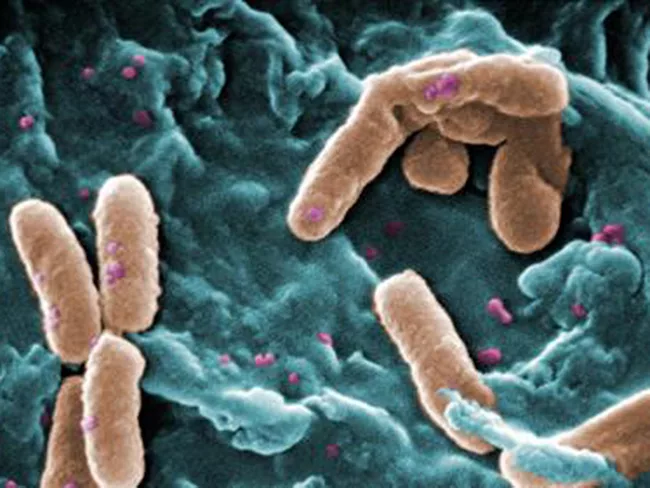
The treatment of Pseudomonas aeruginosa infections is significantly challenged by the pathogen’s diverse resistance mechanisms, with biofilm formation being a key driver of antibiotic tolerance. Furthermore, P. aeruginosa pathogenicity is amplified by virulence factors that both evade host defenses and facilitate biofilm development.
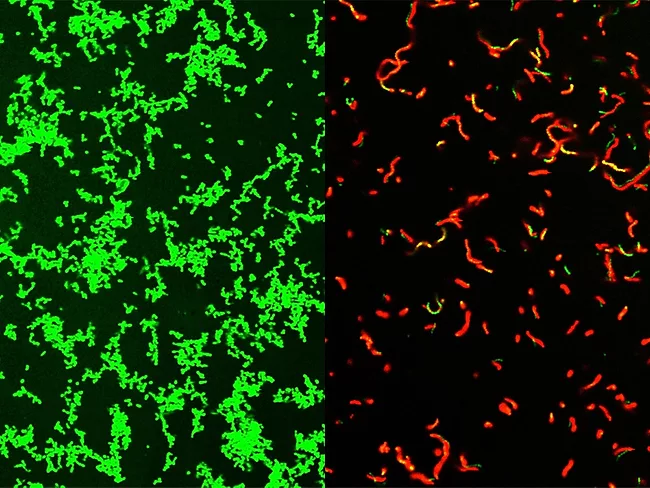
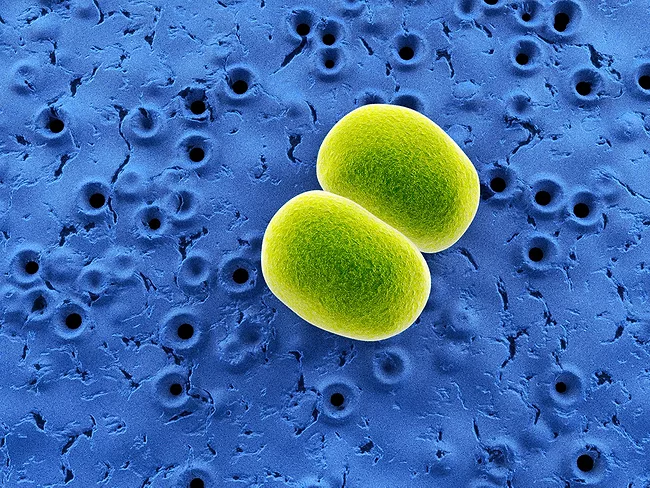
Investigators at Washington University in St. Louis and Umea University have reported that the small molecule PS-757 was effective in culture and animal models against Streptococcus pyogenes, a gram-positive pathogen responsible for more than 500,000 deaths per year globally.
Researchers in Japan have discovered that a phage-derived enzyme called endolysin, which targets highly resistant biofilm-forming bacteria, could help restore the gut microbiota to mitigate acute graft-vs.-host disease. Acute graft-vs.-host disease (aGVHD) is a common complication for patients who undergo allogeneic hematopoietic cell transplantation (allo-HCT). Recent studies have highlighted the significant role of the microbiome in aGVHD, with dysbiosis contributing to its pathogenesis.
Pseudomonas aeruginosa uses the quorum sensing (QS) system to regulate virulence factors expression and biofilm development. Researchers from Jinan University reported on novel inhibitors of P. aeruginosa transcriptional activator proteins LasR and LasB.
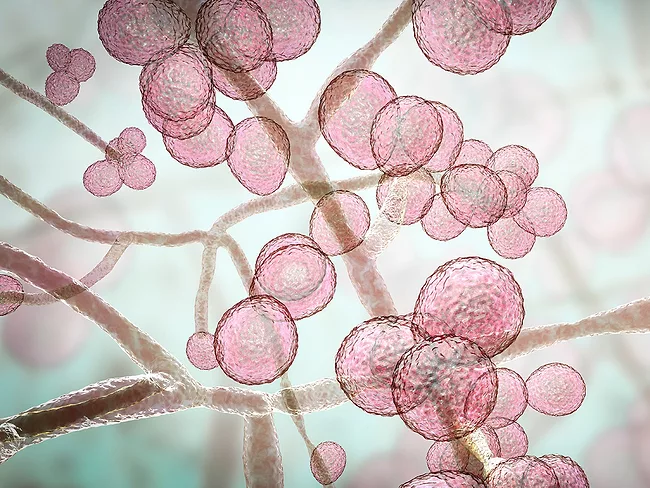
The fungus Candida auris has become an urgent clinical problem at a shocking speed. It was not even mentioned in the U.S. CDC’s 2013 reports on antimicrobial threats, but was one of five pathogens on the agency’s 2019 top-tier Urgent Threat List.
Saturating bioactive glass with silver sustains the metal’s antimicrobial properties and reduces biofilm formation, researchers at the University of Birmingham, U.K., found. Their study, published in Biofilm, demonstrated that specific preparation, storage and application techniques minimize the transformation of silver ions to silver chloride that typically reduces silver’s healing properties over time.
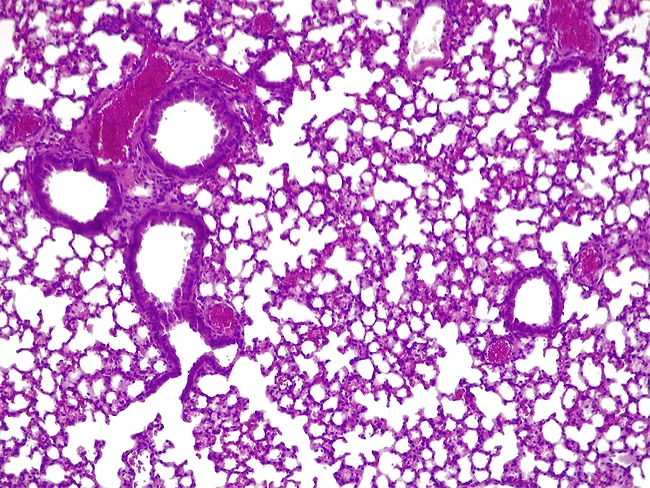
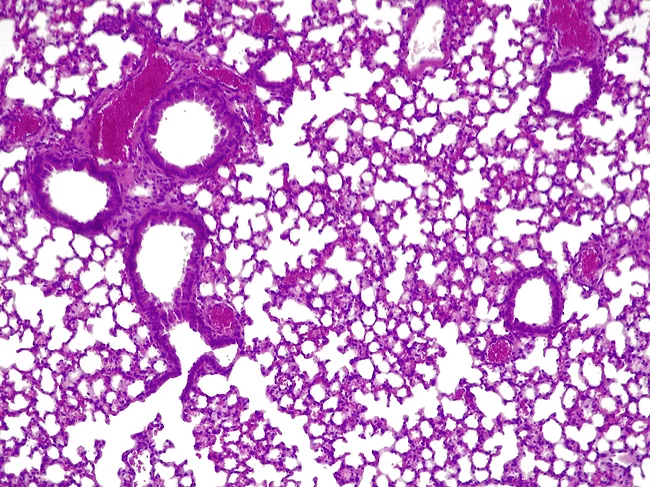
Researchers at the Barcelona Institute of Science and Technology’s Center for Genomic Regulation (CRG) and Pulmobiotics Ltd. have used one bacterium to fight another. In mouse models, the team used engineered Mycoplasma pneumoniae to treat Pseudomonas aeruginosa, the chief culprit in ventilator-associated pneumonia (VAP).
Pulmobiotics Ltd., which was founded in 2019, is developing cell therapy for lung diseases, including lung cancer. But unlike other cell therapies for cancer, this one is based not on harnessing T cells but on engineering bacteria. The team has engineered Mycoplasma pneumoniae to deliver various therapeutic proteins to the lung, depending on the therapeutic indication.