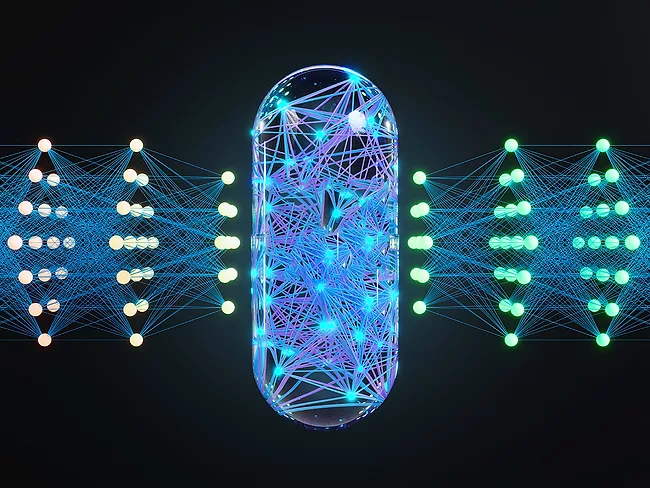
Artificial intelligence tools are springing up at multiple points along drug discovery and development, but despite the hype, as yet there is minimal return on investment (ROI). “I would say a lot of companies sort of get this big excitement about AI, but then when you look at how much ROI they get, it’s actually very little. And that’s because the workflow and the process, end-to-end, isn’t mapped to really understand where AI can truly make an impact,” said Laura Matz, chief science and technology officer at Merck KGaA.
Artificial intelligence tools are springing up at multiple points along drug discovery and development, but despite the hype, as yet there is minimal return on investment (ROI). “I would say a lot of companies sort of get this big excitement about AI, but then when you look at how much ROI they get, it’s actually very little. And that’s because the workflow and the process, end-to-end, isn’t mapped to really understand where AI can truly make an impact,” said Laura Matz, chief science and technology officer at Merck KGaA.
New Approach Methodologies (NAMs) for drug development are transforming biomedical research by replacing or complementing animal models. More than 90% of experimental compounds fail in clinical trials, underscoring the need for strategies that better capture human biology. Many of these techniques were showcased at the 2026 American Association for Cancer Research (AACR) annual meeting.
More than four decades on from the approval of the first biologic drug, the industry has reached a tipping point, and biotech drugs now outnumber small molecules in the global R&D pipeline.
More than four decades on from the approval of the first biologic drug, the industry has reached a tipping point, and biotech drugs now outnumber small molecules in the global R&D pipeline. At the start of the biotech industry, progress was slow. Between 1983 and 1995, the U.S. FDA approved an average of two biologics each year. Now, biologics have taken the lead by the smallest of margins, accounting for 50.1% of drugs in development at the start of 2026, according to the Pharma Annual Review 2026, published by Pharmaprojects, a firm that tracks global pharma R&D.
More than four decades on from the approval of the first biologic drug, the industry has reached a tipping point, and biotech drugs now outnumber small molecules in the global R&D pipeline.
Seeking to increase their understanding of the opportunities and challenges of using digital health technologies (DHTs) in drug trials, the U.S. FDA’s CBER and CDER are requesting public feedback to help inform new guidance as the technologies continue to advance.
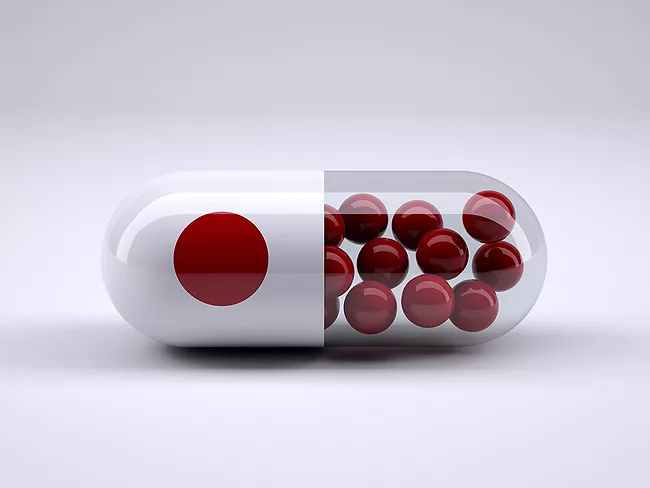
For years, Japan’s “drug lag” was shorthand for slow regulatory reviews and delayed approvals compared with the U.S. and Europe. But even as regulatory timelines have shortened, review capacity has expanded and international alignment has improved, Japanese patients still face gaps in access to innovative drugs.
For years, Japan’s “drug lag” was shorthand for slow regulatory reviews and delayed approvals compared with the U.S. and Europe. But even as regulatory timelines have shortened, review capacity has expanded and international alignment has improved, Japanese patients still face gaps in access to innovative drugs.
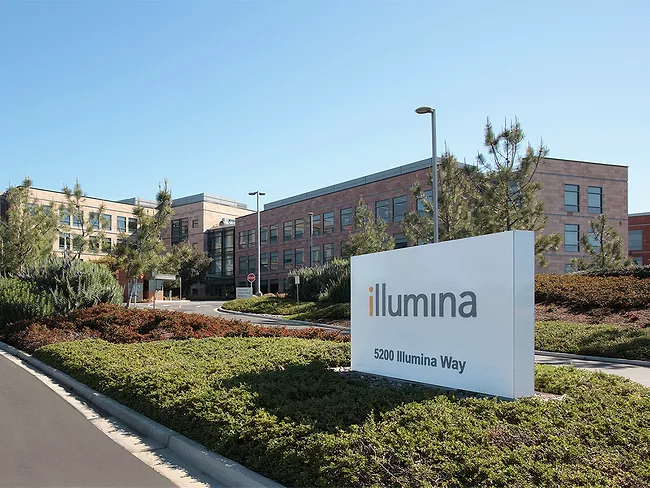
Illumina Inc. presented at the J.P. Morgan 2026 Healthcare Conference on Jan. 13 and introduced what it said is the world's largest genome-wide genetic perturbation dataset, being built to accelerate drug discovery through AI across the pharmaceutical ecosystem. This is a move away from its core focus on DNA sequencing technology.