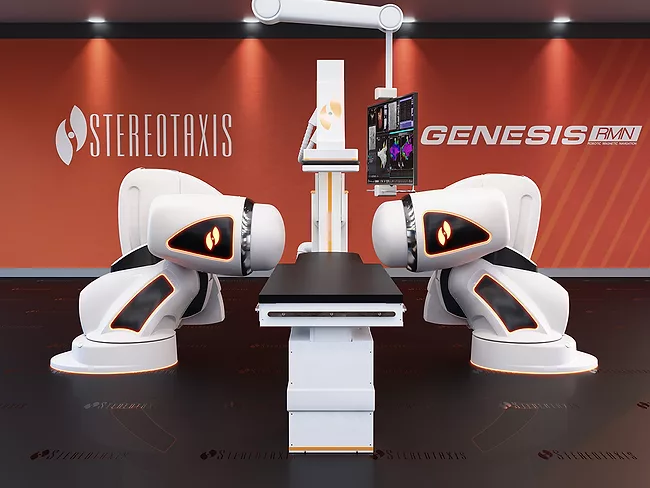
Stereotaxis Inc. secured U.S. FDA approval for its Magic magnetic interventional ablation catheter, marking a key step in the company’s effort to evolve from a niche robotics supplier into a more vertically integrated electrophysiology technology provider. The approval positions Magic as Stereotaxis’ first proprietary robotic ablation catheter in the U.S. and follows a series of regulatory and commercial milestones in recent months that reset the company’s growth narrative.
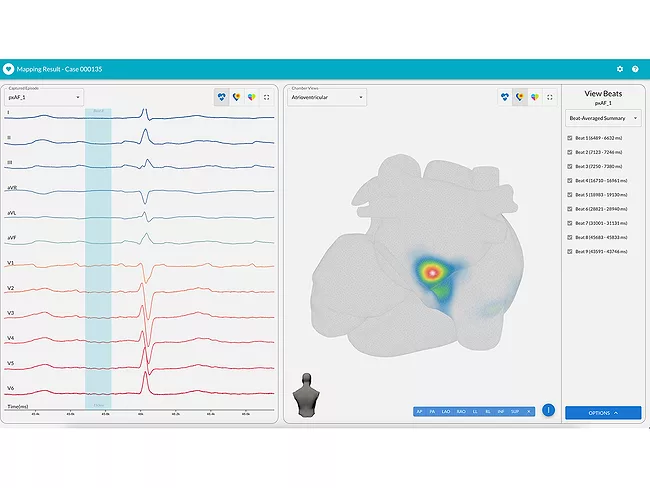
Vektor Medical Inc. recently secured CE mark for Vmap, its AI-powered electrocardiogram mapping system, marking a “major milestone” for the company, said CEO Rob Krummen. The regulatory approval from the EU authorities confirms that Vmap meets the stringent safety and performance requirements of the EU Medical Device Regulation, opening the door for clinical use in Europe, he told BioWorld.
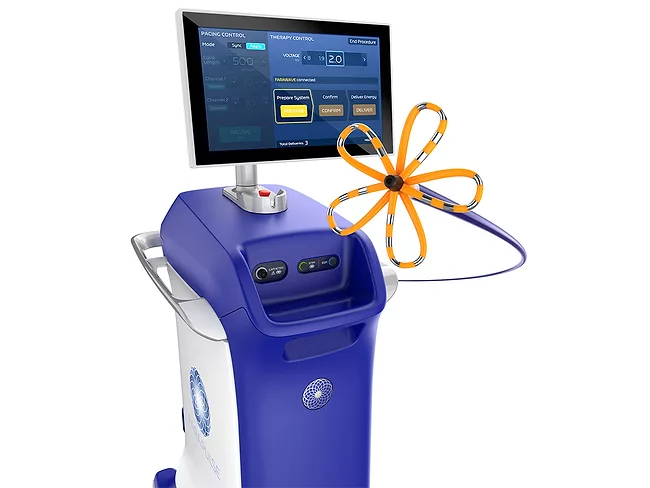
The U.K.’s National Institute for Health and Care Excellence (NICE) recommends the use of pulsed field ablation as an option to treat NHS patients with atrial fibrillation. NICE said evidence shows the procedure reduces atrial fibrillation and its symptoms, increases quality of life in the short term and raises no major safety concerns.
Pulsed field ablation dominated discussions and scientific sessions at Heart Rhythm 2025 in San Diego with researchers and manufacturers touting new applications in persistent atrial fibrillation, atrial flutter and addressing specific challenges for existing systems.
The Heart Rhythm Society and American College of Cardiology published guidance for same-day discharge of cardiac ablation patients during Heart Rhythm 2025, the society’s annual meeting, which was held in San Diego April 26-27.
Continuing a cascade of positive news for Stereotaxis Inc., the company reported the first order for its petite Genesisx robot in Europe. The system received CE mark in August, but management held off its launch until its Magic radiofrequency ablation catheter also received CE mark, which happened on Jan. 27. The two devices are used together to treat cardiac arrhythmias.
Boston Scientific Corp. signed a definitive agreement to acquire Cortex Inc., from Ajax Health Inc. to develop an integrated mapping and ablation solution for cardiac arrhythmias. Cortex’s Optimap system employs a basket catheter and algorithm to identify active sources for atrial fibrillation beyond the pulmonary veins on which most mapping and ablation technology currently focus.
Rhythm AI Ltd recently became the latest company to receive U.S. FDA clearance for its artificial intelligenc-based software for optimizing Atrial Fibrillation procedures.
Researchers from Johns Hopkins University have filed for protection of their Optimal Target Identification via Modelling of Arrhythmogenesis technology – a method that builds a model of a patient’s heart from a cardiac MRI.
Cathvision ApS received U.S. FDA clearance for two artificial intelligence (AI) models, the PVI Analyzer, and Signal Complexity, which are part of a suite of algorithms designed to help electrophysiologists improve the diagnosis and treatment of complex atrial arrhythmias, including atrial fibrillation. The two algorithms are part of Cathvision’s Cardialytics suite of AI-powered analytics integrated into its Ecgenius system, an electrophysiology recording system that helps with electrogram interpretation.