Moncef Slaoui, chief advisor to Operation Warp Speed, the public-private partnership to hurry along a vaccine for COVID-19, cited tough going in the early days of development, as researchers met “a real challenge to engage the population.” During a panel discussion at the virtual 39th J.P. Morgan Healthcare Conference, he pointed to “a double-edged sword, to talk about what a vaccine can do, when we don’t know – and then once you know, you’re going to have to change your message.”
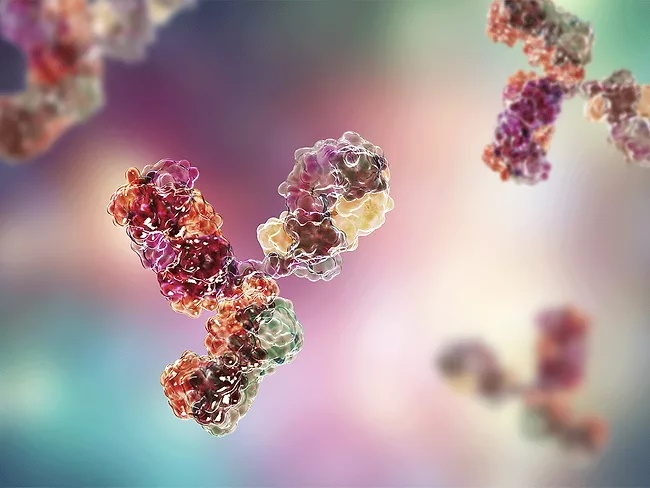
Astrazeneca plc said it has received about $486 million from the U.S. government to support the development and supply of a long-acting antibody combination under evaluation for the prevention and treatment of COVID-19. Phase III trials of the candidate, AZD-7442, are slated to begin later this month, the company told BioWorld. One trial will enroll more than 6,000 adults for the prevention of COVID-19 with additional trials set to enroll about 4,000 adults for the treatment of the infection, the Cambridge, U.K.-based company said.
The COVID-19 pandemic has done little to encourage bipartisan comity in Washington, and the Oct. 2 hearing of the House Select Subcommittee on the Coronavirus Crisis reflected that partisan tension. Secretary of Health and Human Services Alex Azar noted, however, that the department is doing its best to cooperate with oversight of the vaccine program by the Government Accountability Office (GAO), but that the nearly three dozen GAO requests for oversight have come at a difficult time.
The U.S. government bought 100 million doses of mRNA-1273 from Moderna Inc., of Cambridge, Mass., with a new award worth up to $1.525 billion, a deal that drops the implied cost per dose below that of several other companies receiving funding through the government program.
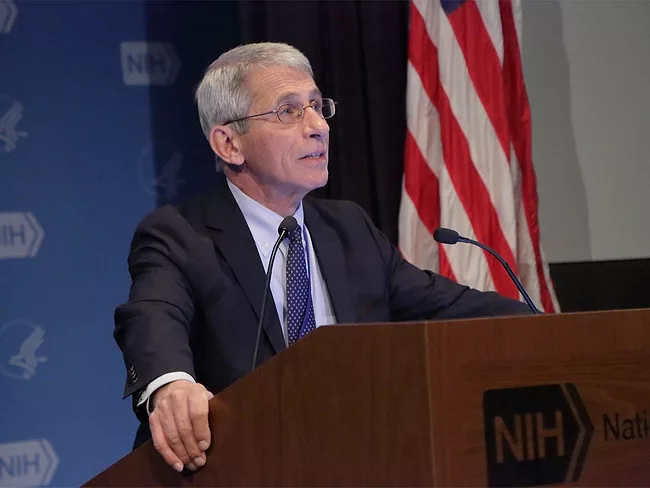
The issue of the U.S. federal government’s response to the COVID-19 pandemic was revisited yet again in a hearing in the House of Representatives. While partisanship was on full display, Anthony Fauci, director of the National Institute of Allergy and Infectious Diseases, said he is “cautiously optimistic” about the prospects for a vaccine and that the development of candidates has not compromised scientific principles.
In deals worth billions, Sanofi SA and Glaxosmithkline plc (GSK) have made new agreements this week to supply the U.S. and U.K. governments with a COVID-19 vaccine. The two companies also are in advanced discussions with the European Union to supply up to 300 million doses of a vaccine.
The U.S. government will pay $1.95 billion to Pfizer Inc. and Biontech SE for the first 100 million doses of their jointly developed mRNA-based COVID-19 vaccine once Pfizer manufactures it and receives the FDA’s approval or emergency use authorization. The two companies agreed, as part of Operation Warp Speed, to begin delivering 300 million doses of a COVID-19 vaccine in 2021.
While biopharmaceutical research is currently concentrating on the threat posed by the COVID-19 pandemic, the disease has provided a sharp reminder that our focus should not be lost on infectious diseases as a whole, along with the growing global problem of antibiotic resistance (AMR), which has the potential to dwarf COVID-19 in terms of deaths and economic costs, according to the International Federation of Pharmaceutical Manufacturers and Associations (IFPMA).
Two more companies, Novavax Inc. and Regeneron Pharmaceuticals Inc., are on the receiving end of U.S. federal government funding to develop and deliver a COVID-19 vaccine in 2021.