Celldex Therapeutics Inc. will not advance barzolvolimab (CDX-0159, barzo) in eosinophilic esophagitis (EoE) after taking a look at top-line data from the ongoing phase II effort. The study met its primary endpoint, proving barzo’s efficacy in depleting mast cells in the gastrointestinal (GI) tract, but this didn’t improve symptoms of EoE – a chronic inflammatory disease of the esophagus – which means mast cells are not a primary driver. Hampton, N.J.-based Celldex noted that barzo did turn up a favorable safety profile.
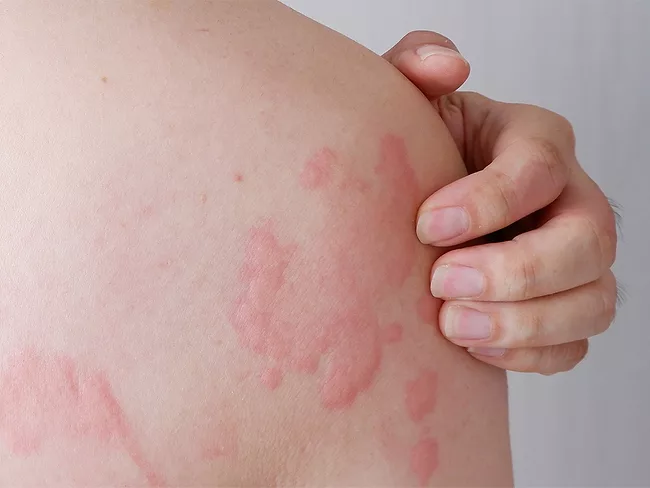
Despite positive preliminary data from its early stage study of treating hives, Jasper Therapeutics Inc. saw its stock drop dramatically on Jan. 8. Results were from the ongoing phase Ib/IIa study of the monoclonal antibody and lead candidate briquilimab in treating chronic spontaneous urticaria, often referred to as hives. The results showed clinical responses across several of the dosing cohorts. The treatment also displayed a favorable safety profile.
Succeeding where others have failed in an indication with high unmet need, Celldex Therapeutics Inc. disclosed top-line data from the phase II trial with barzolvolimab (barzo) against two common forms of chronic inducible urticaria (CIndU): cold urticaria (ColdU) and symptomatic dermographism (SD).
Riding high on dramatic phase Ib results with KIT receptor-binding monoclonal antibody CDX-0159 in urticaria (hives), Celldex Therapeutics Inc. plans to begin phase II work in the first half of next year. Shares of Hampton, N.J.-based Celldex (NASDAQ:CLDX) closed July 12 at $40.67, up $8.26, or 25%, as Wall Street reacted to favorable data from the trial in antihistamine-refractory cold urticaria and symptomatic dermographism, the two most common forms of chronic inducible urticaria (CindU).