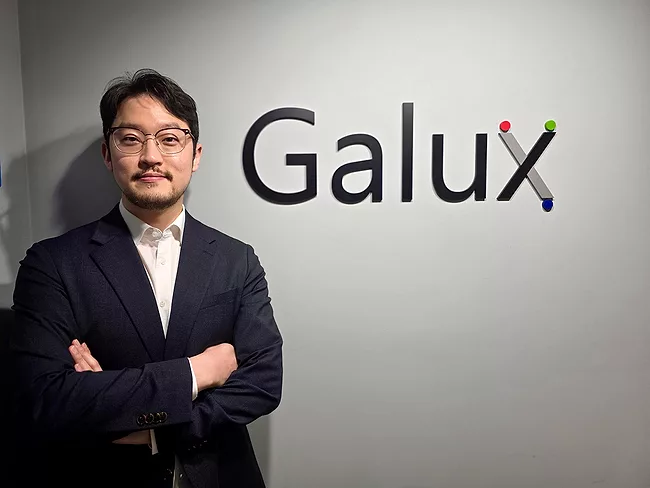
Galux closed a ₩42 billion (US$29 million) series B round Feb. 10, led by Yuanta Investment to bring AI-driven “rational design” to the protein drug development process, already heavily influenced by human engineering.
Galux closed a ₩42 billion (US$29 million) series B round Feb. 10, led by Yuanta Investment to bring AI-driven “rational design” to the protein drug development process, already heavily influenced by human engineering.
Galux closed a ₩42 billion (US$29 million) series B round Feb. 10, led by Yuanta Investment to bring AI-driven “rational design” to the protein drug development process, already heavily influenced by human engineering.
The pressure on U.S. drug prices continues, with the CMS lining up the drugs for round 3 of negotiations, which will set maximum fair prices to go into effect in 2028. The slate includes 15 drugs and, for the first time, opens the negotiations to Part B drugs, as well as Part D. Consequently, seven of the 15 selected drugs are biologics.
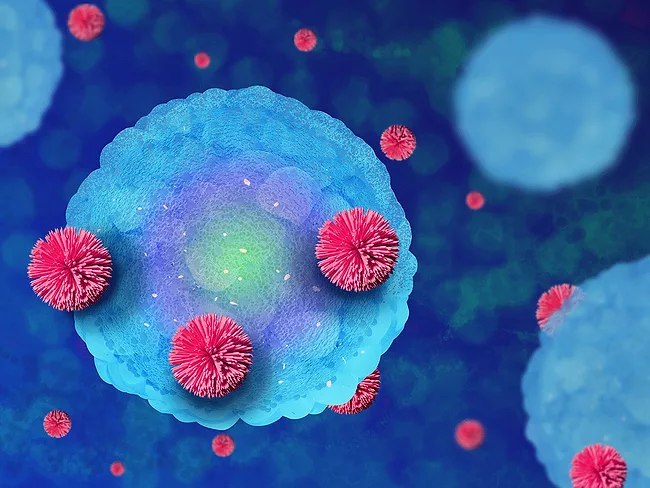
Abpro Holdings Inc. and Celltrion Inc. have announced the submission of an IND application to the FDA for ABP-102 (CT-P72), a HER2 x CD3 T-cell engager. Pending clearance, a phase I trial in patients with HER2-positive cancers, including breast and gastric cancers, is anticipated to begin in the first half of next year.
HER2-targeted antibody-drug conjugates (ADCs) have significantly improved cancer therapy in recent decades. However, ADCs can cause toxicity and resistance, while T-cell engagers (TCEs) show promising antitumor activity in solid tumors but are limited by substantial adverse effects.
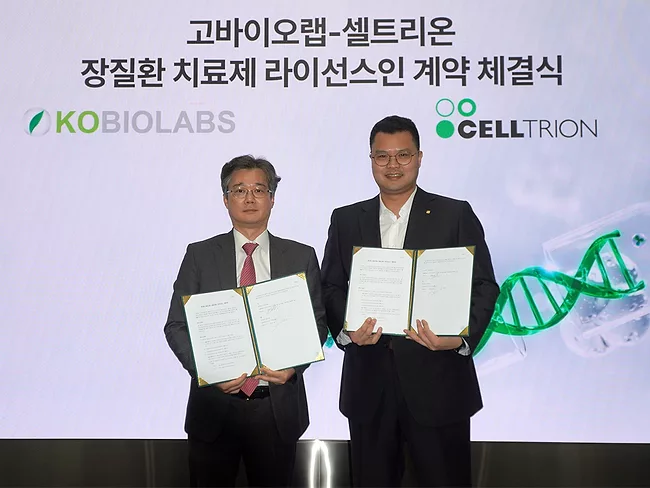
Celltrion Inc. scored a hat-trick of deals to license new antibody candidates, including a $744 million deal with Kaigene Inc. Nov. 3, and a near $500 million deal with Mustbio Co. Ltd. Oct. 31.
Celltrion Inc. scored a hat-trick of deals to license new antibody candidates, including a $744 million deal with Kaigene Inc. Nov. 3, and a near $500 million deal with Mustbio Co. Ltd. Oct. 31.