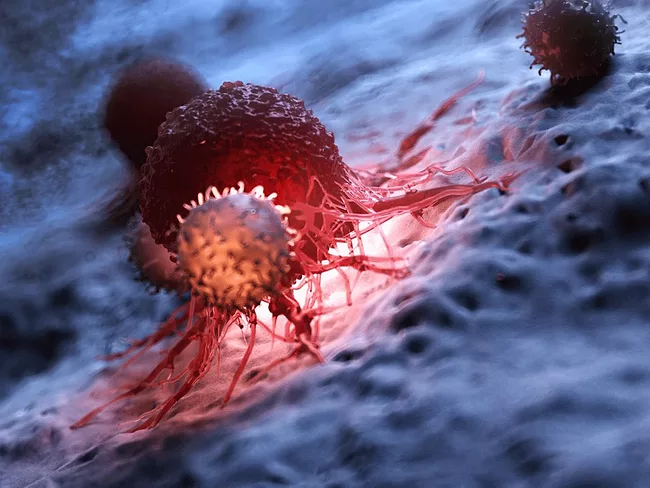
Vir Biotechnology Inc.’s 2024 deal with Sanofi SA is starting to look like a pretty savvy move. The company, which picked up three clinical-stage dual-masked T-cell engagers (TCEs) and rights to the platform technology as part of a pipeline overhaul, reported phase I data for TCE programs targeting HER2 and PSMA that indicated promising efficacy with a low prevalence of the cytokine toxicity that has hampered other TCE programs.
Cancer immunotherapies are highly effective treatments for treating hematological malignancies, but usually tied to systemic toxicity, including cytokine release syndrome (CRS).
An increasingly popular target across varied cancer types is the immune system regulator V-domain Ig suppressor of T-cell activation (VISTA), where a number of developers have taken early stage aim – among them Sensei Biotherapeutics Inc., with SNS-101, which Wainwright analyst Edward White believes could be the first anti-VISTA monoclonal antibody approved as a therapeutic agent. But there’s plenty of work ahead.
Bio-Thera Solutions Ltd. has obtained NMPA approval for BAT-1806 to treat rheumatoid arthritis, systemic juvenile idiopathic arthritis and cytokine release syndrome. BAT-1806 is the world’s first tocilizumab biosimilar approved for marketing, according to Guangzhou, China-based Bio-Thera.
Poolbeg Pharma plc is expanding its evaluation of POLB-001 into oncology after findings indicated POLB-001's potential to dampen the pro-inflammatory cytokine release syndrome (CRS) in patients receiving chimeric antigen receptor (CAR) T-cell therapies for cancer.
Questions regarding rates of cytokine release syndrome (CRS) cropped up during Poseida Therapeutics Inc.’s conference call on preliminary data from nine patients in the company’s phase I trial of P-PSMA-101, an autologous CAR T product candidate to treat patients with metastatic castrate-resistant prostate cancer (mCRPC).
DUBLIN – Canakinumab, an interleukin-1 beta (IL-1beta) inhibitor, has joined a growing list of immunomodulatory therapies that have failed to demonstrate efficacy in COVID-19. Novartis AG said that an interim analysis showed the drug did not meet the primary endpoint of clinical response.