A University of Sydney patent details new cyclic peptides acting as coagulation factor XIa inhibitors reported to be useful for the treatment of thrombosis.
Detailed data will be forthcoming at a scientific congress, but Bayer AG’s positive top-line readout from its phase III study testing oral factor XIa (FXIa) inhibitor asundexian in reducing the risk of ischemic stroke offered a much-needed win for the FXIa space, which encountered its latest stumble just over a week ago.
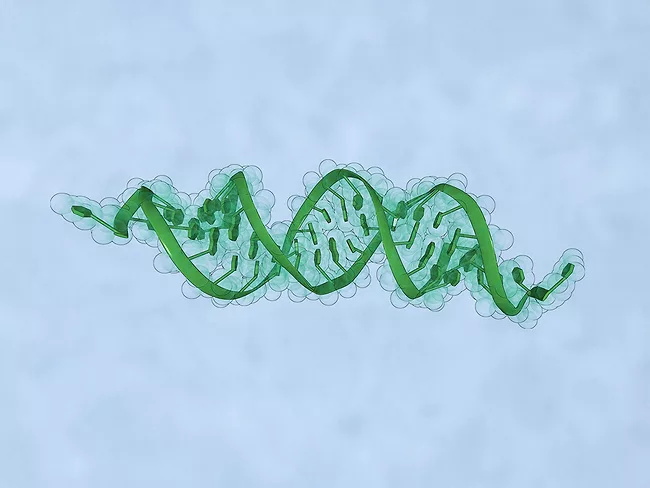
City Therapeutics Inc. has submitted a clinical trial application (CTA) to the U.K. Medicines and Healthcare Products Regulatory Agency (MHRA) to initiate a phase I study of CITY-FXI, an investigational RNAi therapeutic targeting factor XI (FXI) for the treatment of thromboembolic diseases.
Sirius Therapeutics Inc. raised nearly $50 million in a series B2 financing round May 9 to support its pipeline of small interfering RNA (siRNA) molecules for cardiovascular disease indications. SRSD-107, a long-acting Factor XI anticoagulant for thromboembolic disorders, is its lead candidate waiting on EMA clearance to begin a phase II study in Europe.
Sirius Therapeutics Inc. raised nearly $50 million in a series B2 financing round May 9 to support its pipeline of small interfering RNA (siRNA) molecules for cardiovascular disease indications. SRSD-107, a long-acting Factor XI anticoagulant for thromboembolic disorders, is its lead candidate waiting on EMA clearance to begin a phase II study in Europe.
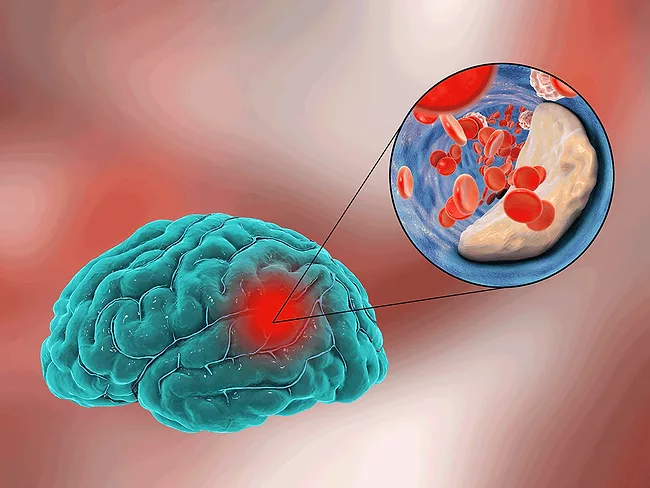
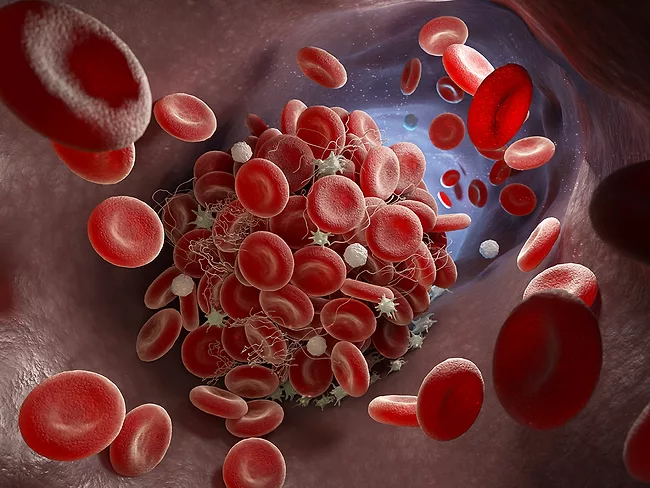
Anticoagulant drugs, whether classical ones such as warfarin and heparin or newer ones such as dabigatran and apixaban, can be effective for treating and preventing deep vein thrombosis, myocardial infarction, ischemic stroke and pulmonary embolisms. Targeting factor XIa, a serine protease in the coagulation pathway, may inhibit thrombosis without increasing bleeding risk. Numerous inhibitors of factor XIa have been developed and several have entered clinical trials, but most have shown problems of poor efficacy, inadequate selectivity or drug-drug interactions.
A recent study by researchers from Texas A&M University presented a new vaccine designed to target the ligand-binding domain of the serotonin 2A receptor (5-HT2AR), which resides in the second extracellular loop (EL2) and was previously identified as the key region for receptor activation. The new candidate, called EL2-5HTVac, was shown to provide a long-lasting and selective therapeutic approach to avoid increased bleeding risk complications.
It has been previously shown that the nuclear receptor subfamily 4 group A (NR4A) plays an important role in cardiovascular pathophysiology. Researchers from Shanghai Jiao Tong University thus aimed to assess the expression profile of NR4A in platelets and the biological functions of this nuclear receptor in platelet aggregation.
The lung and thrombosis may play a key role in cancer and metastasis progression, according to a collaborative study led by Cornell University scientists.
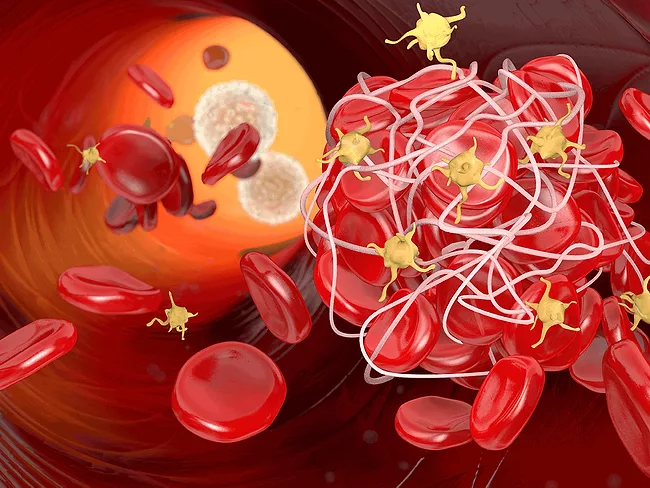
The lung and thrombosis may play a key role in cancer and metastasis progression, according to a collaborative study led by Cornell University scientists. In the nonmetastatic lung microenvironment of several cancer types, the development of a prothrombosis niche promotes metastasis formation through the release of small extracellular vesicles loaded with an integrin protein.