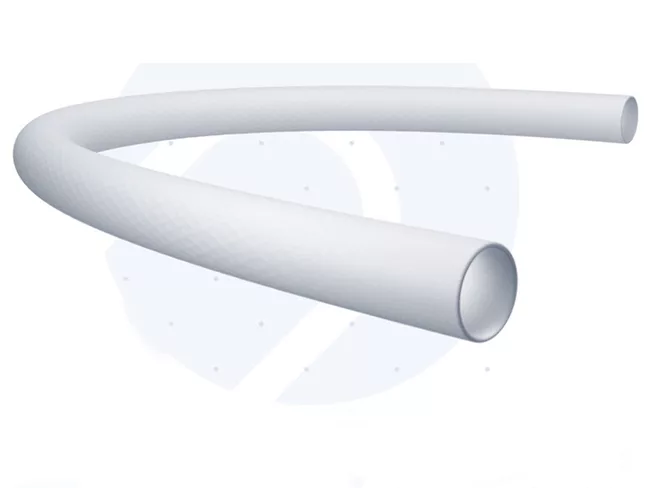
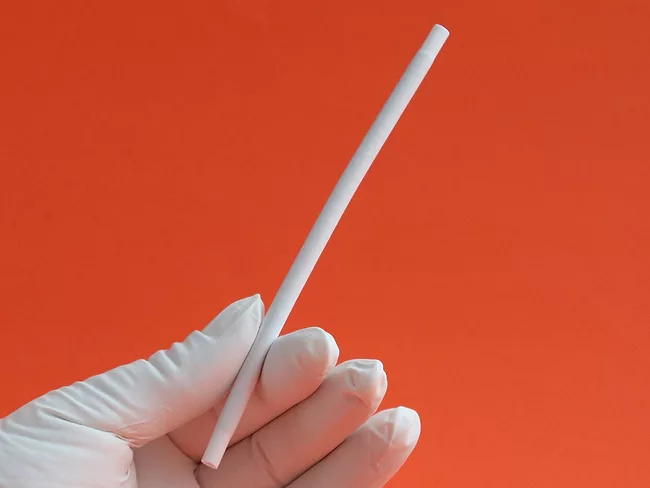
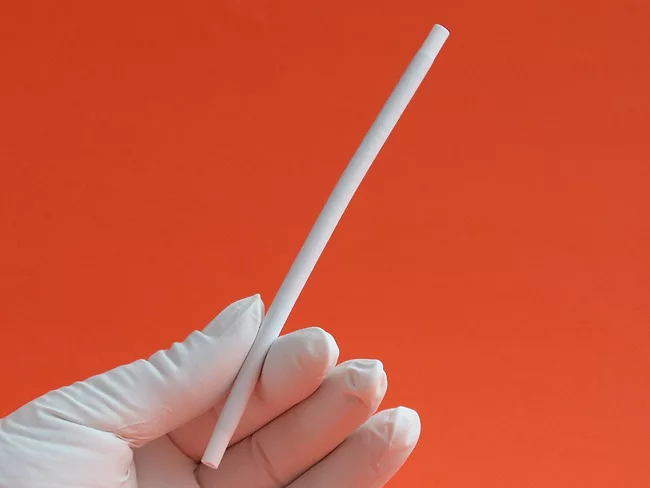
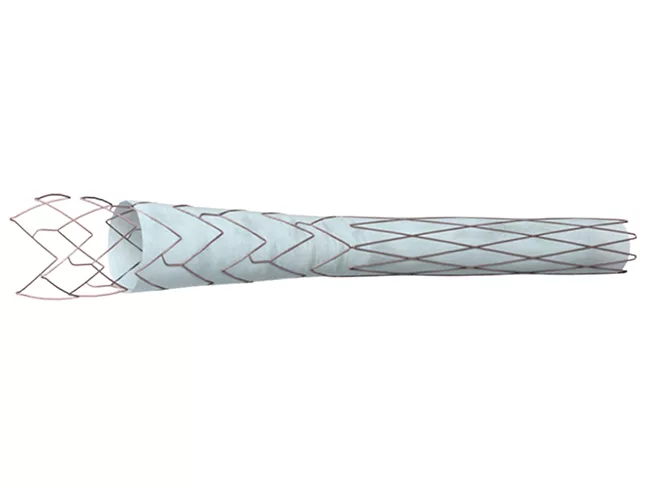
Xeltis BV has secured CE mark approval for Axess, its restorative vascular access conduit for hemodialysis. The company also released 12-month data from its EU pivotal trial on the technology, which showed strong durability outcomes, including 79% secondary patency and a very low patency‑related reintervention rate of 1.3 per patient-year, as well as a substantial reduction in infection burden.
This year, European med-tech companies continue to navigate an uncertain macro environment created by the reciprocal tariffs on goods entering the U.S., their primary market. Some companies though are adapting supply chains and manufacturing strategies, while others are looking to diversify into other regions. Their technologies after all, address clinical needs, so the sector continues to innovate, conduct trials, present data, raise funds, and deliver products which improve patients’ lives.
Samantree Medical SA is the latest med-tech company to secure financing from the European Investment Bank, highlighting the bank’s commitment to supporting key medical technologies across the continent. The company received a €20 million (US$23.95 million) loan which will go towards accelerating the development and commercialization of its Histolog Scanner, which allows surgeons and pathologists to visualize large, fresh tissue samples in real-time with high resolution and accuracy.
Med-tech financing activity rebounded sharply in 2025, with total reported capital raised climbing to $39.55 billion, nearly doubling from $25.35 billion in 2024 and approaching pre-pandemic norms. The increase was driven largely by a surge in IPO activity, which reached $13.01 billion. In December, financing value reached $8.23 billion across 36 transactions, up from $4.73 billion in November.
Xeltis BV secured €47.5 million in financing to help bring Axess, its vascular access conduit for hemodialysis, to the market. The funds include a venture debt package of up to €37.5 million from the European Investment Bank and €10 million from existing shareholders.
Xeltis BV reported successful clinical data from the Axess EU pivotal trial which demonstrated the transformative potential of its restorative vascular access conduit, Axess, in hemodialysis treatment.
The U.S. FDA approved Phraxis Inc.’s Endoforce Connector for endovascular venous anastomosis, which eliminates the need for surgical dissection for individuals undergoing hemodialysis for kidney failure. The device is designed to reduce tissue trauma and improve long-term graft performance.
There is no doubt this year started with a boom for European med-tech companies. Public markets opened in the U.S. and cross-border investors are deploying capital. With many companies looking to conduct clinical trials, raising funds and bringing their devices to the market, 2025 is expected to be prosperous, mitigating the difficulties of the previous two to three years.
Xeltis BV completed enrollment in the EU pivotal trial for its restorative vascular access conduit, Axess. The prospective study will investigate the patency, safety and performance of Axess in adult patients with end-stage renal disease requiring vascular access to start or maintain hemodialysis therapy.
Xeltis BV hopes that promising data from clinical trials on the performance of its synthetic vascular access graft implant will transform not only the lives of patients suffering from chronic kidney disease but also the company’s fortunes. “We're outperforming other solutions out there, that's the nice promise not only for the patient and for the families but also for potential strategics that might be interested in the company and play a role in the vascular space,” Eliane Schutte, CEO of Xeltis told BioWorld.