At the 12th Aging Research & Drug Discovery (ARDD) Meeting, which is being held this week in Copenhagen, Life Biosciences Inc. announced that it is developing its partial epigenetic reprogramming technology for liver disease as well as optic neuropathies. The company’s chief scientific officer Sharon Rosenzweig-Lipson estimated that its ER-100 would enter clinical trials in early 2026, putting it on track to be the first application of partial epigenetic reprogramming to enter the clinic.
At the 12th Aging Research & Drug Discovery (ARDD) Meeting, which is being held this week in Copenhagen, Life Biosciences Inc. announced that it is developing its partial epigenetic reprogramming technology for liver disease as well as optic neuropathies. The company’s chief scientific officer Sharon Rosenzweig-Lipson estimated that its ER-100 would enter clinical trials in early 2026, putting it on track to be the first application of partial epigenetic reprogramming to enter the clinic.
Aging is part of the life cycle and, although the effects are not manifest until after adulthood, it actually occurs from birth. The concept of senescence has traditionally been associated with aging. However, an embryo has senescent cells. In that case, what is aging, how can it be measured, and from what point in the life cycle?
Aging is part of the life cycle and, although the effects are not manifest until after adulthood, it actually occurs from birth. The concept of senescence has traditionally been associated with aging. However, an embryo has senescent cells. In that case, what is aging, how can it be measured, and from what point in the life cycle?
Aging is part of the life cycle and, although the effects are not manifest until after adulthood, it actually occurs from birth. The concept of senescence has traditionally been associated with aging. However, an embryo has senescent cells. In that case, what is aging, how can it be measured, and from what point in the life cycle?
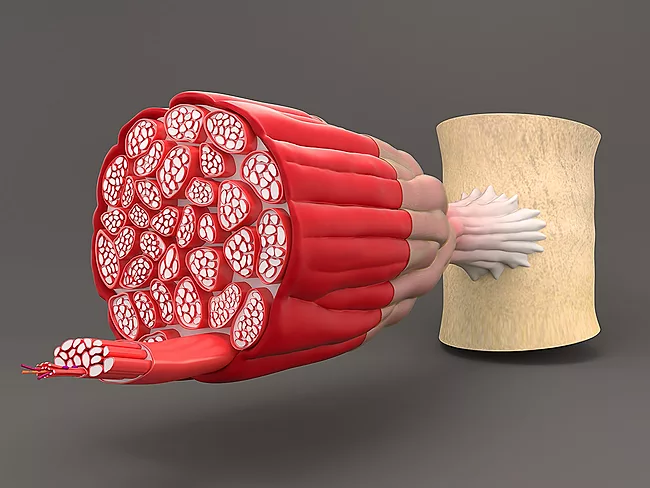
A protein whose expression decreases during aging could be key to preserving cellular maintenance mechanisms and preventing the progressive loss of muscle mass that occurs during aging. Scientists from the Institute for Research in Biomedicine (IRB) and the University of Barcelona (UB) have revealed the role of the TP53INP2 protein in autophagy and the effects of its reduction on skeletal muscle during aging.
“Aging is not only slow, but it is irreversible, and that is what most people have been suspecting,” Gero Pte Ltd.’s CEO Peter Fedichev recently told BioWorld. “[But] aging is not an inevitable part of human existence.” By setting limits to what science can do – and not do – for aging, the Palo Alto, Calif.- and Singapore-based generative artificial intelligence (AI) biotech Gero is trying to figure out and, at the same time help the industry, “see what is actionable, reversible and what may not be” to help people avoid “hitting their heads against the wall” when tackling aging and aging-related diseases.
“Aging is not only slow, but it is irreversible, and that is what most people have been suspecting,” Gero Pte Ltd.’s CEO Peter Fedichev recently told BioWorld. “[But] aging is not an inevitable part of human existence.” By setting limits to what science can do – and not do – for aging, the Palo Alto, Calif.- and Singapore-based generative artificial intelligence (AI) biotech Gero is trying to figure out and, at the same time help the industry, “see what is actionable, reversible and what may not be” to help people avoid “hitting their heads against the wall” when tackling aging and aging-related diseases.
Several developmental biology and regenerative medicine laboratories that use cellular reprogramming techniques presented their latest results on the differences in the states of induced pluripotent stem cells (iPSCs) during a Plenary Session on “Epigenetic regulation of distinct cell states” at the Annual Meeting of the International Society for Stem Cell Research (ISSCR), in Boston from June 14 to 17, 2023.
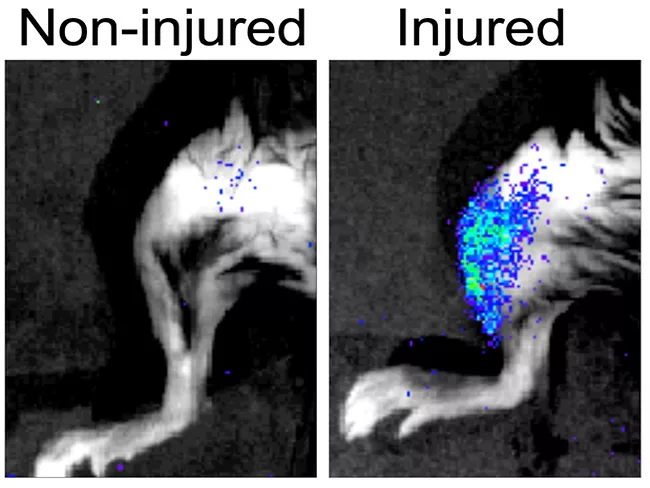
The first in vivo cell atlas of senescent tissue in skeletal muscle has identified the damaging properties of these cells and explained why they block muscle regeneration. According to a study at Pompeu Fabra University led by scientists from Altos Labs Inc., cell damage caused the senescence of the cells, which secreted toxic substances into the surrounding microenvironment, causing fibrosis and preventing tissue regeneration.