Researchers from The Hospital for Sick Children have created mouse models related to autism. Nine novel models related to autism were produced in C57BL/6NCrl (B6N) mice using loss-of-function mouse lines with knockout of genes Katnal2, L2hgdh, Nexmif, Otc, Pah, Rab39b, Ranbp17, Upf3b and Ypel2.
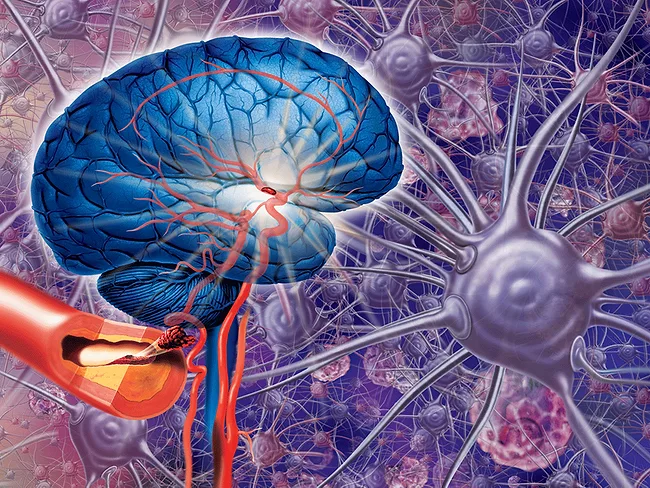
Ischemic stroke comprises about 87% of stroke incidence. The nuclear factor κ B (NF-κB) cascade is a major regulatory pathway of inflammation and is activated in response to ischemic stroke in humans and in rodents during middle cerebral artery occlusion (MCAO).
Alzheimer’s disease (AD) is still the most prevalent neurodegenerative disorder, with few FDA-approved treatments and many that have failed; further understanding of AD’s disease mechanisms is required. Investigators from Gempharmatech Inc. have developed a novel AD murine model (FAD4T) in which APP (Swedish and Indiana mutations) and PSEN1 M146L/L286V mutations were inserted into the mice’s genome.
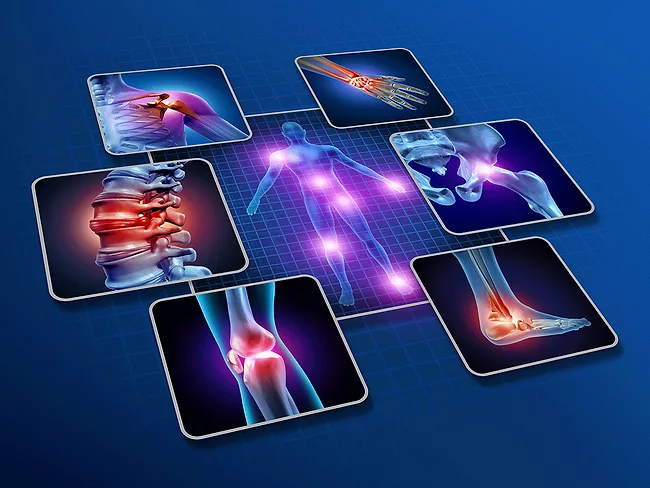
Researchers from Eydis Bio Inc. reported the discovery and preclinical characterization of a novel mitogen-activated protein kinase kinase kinase 7 (MAP3K7/TAK1) inhibitor, EYD-001, being developed for the treatment of inflammatory and neuropathic pain.
Leigh syndrome is a rare neurometabolic disorder that causes the CNS to degenerate. Investigators from the University of California, Davis, and Myto Therapeutics Inc. noted that the NDUFS4-knockout (KO) mouse is a well-characterized model for this disease and shared results on the effects of monomethyl fumarate prodrug MYT-109 in this murine model.
Tuberous sclerosis is a genetic disease caused by loss-of-function mutations in the TSC1 or TSC2 genes. At the neurological level, this rare disease is characterized by benign tumor growth, epilepsy, cognitive deficits and autism. Epilepsy is the main neurological trait and presents mostly as infantile spasms.
Brain insulin signaling is known to control peripheral energy metabolism and regulation of mood and cognition. Dysregulation in this signaling has been tied to brain pathological disorders such as Alzheimer’s disease (AD). Previous findings have reported a strong connection between type 2 diabetes (T2D) and AD, suggesting insulin resistance as a potential risk factor for AD pathology and other forms of dementia.
Researchers from Suven Life Sciences Ltd. presented the discovery and preclinical characterization of a novel muscarinic acetylcholine M4 receptor positive allosteric modulator (PAM), SUVN-L1305022.
Neuropathic pain affects about 60% of patients with diabetes. The hepatocyte growth factor (HGF)/MET pathway is known to play a critical role in neurogenesis and nervous system repair; thus, its stimulation may provide neuroprotective effects, as well as reduce pain symptoms.
Researchers presented data from a study that aimed to assess the repair potential of acute intermittent hypoxia (AIH) treatment for compression injuries.