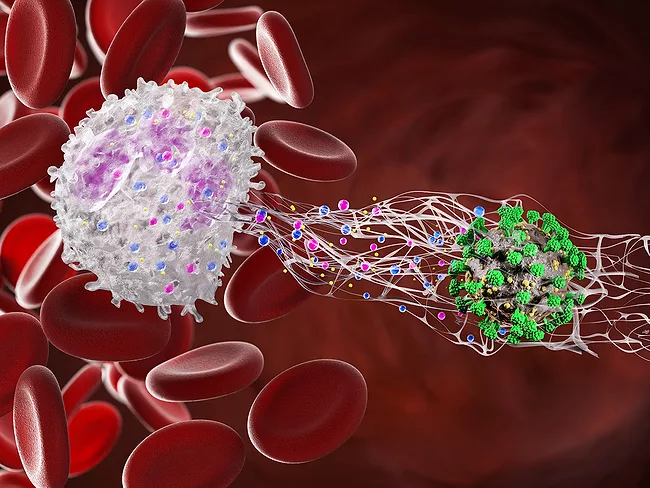
Citryll BV has closed an €85 million (US$89.8 million) series B, enabling it to take CIT-013, an antibody designed to block pathological neutrophil extracellular traps that drive a wide range of immune-mediated inflammatory diseases, into phase IIa development.
Myeloperoxidase-antineutrophil cytoplasmic antibody (MPO-ANCA)-associated vasculitis is a systemic condition affecting the small vessels with production of MPO-ANCA in serum. It has been suggested that the formation of neutrophil extracellular traps (NETs) induced by MPO-ANCA is a driver of pathogenesis, with involvement of neutrophil elastase (NE), which in turn is activated by the enzyme cathepsin C.
Bioxodes SA has set the stage for the phase IIa study of its novel anticoagulant in the treatment of intracerebral hemorrhage (ICH), after raising a €12 million (US$13 million) series A. Days before announcing the closure of the round, the first patient in the proof-of-concept study was treated, on Nov. 17, and eight of 10 sites across Belgium are geared up to take part in the trial. The aim is to develop the product, Ir-CPI, as the first injectable antithrombotic that is suitable for use within the first 72 hours of an ICH.
The traps that neutrophils develop against microorganisms also hold T cells and prevent the success of immunotherapy in pancreatic cancer. To free the immune system from itself, scientists at the Istituto Oncologico Veneto in Italy made a key that unlocked this sticky dungeon from an antibody against arginase-1 (ARG1), an enzyme also present in the trap.
An in-depth investigation of the underlying causes of pulmonary symptoms that in some cases persist for months following recovery from the acute stage of COVID-19 has found a distinctive proinflammatory signature in the plasma and airways of affected patients.
An in-depth investigation of the underlying causes of pulmonary symptoms that in some cases persist for months following recovery from the acute stage of COVID-19 has found a distinctive proinflammatory signature in the plasma and airways of affected patients. The research could provide an explanation for the ongoing interstitial lung disease and fibrosis seen in patients who were hospitalized with severe COVID-19, and also point to neutrophils as a specific therapeutic target.