With the U.S. FDA’s approval of Enflonsia (clesrovimab) to prevent respiratory syncytial virus (RSV) infection lower respiratory tract disease in newborns and infants, Merck & Co. Inc. steps into a space of competition and regulatory shifts. The preventive, long-acting monoclonal antibody (MAb)
will take its place in the market alongside the blockbuster Beyfortus (nirsevimab) from Sanofi SA and Astrazeneca plc. The MAb for pediatric use brought in about $1.77 billion in 2024.
With two respiratory syncytial virus (RSV) vaccines approved by the U.S. FDA in 2023 and a third nearing its May PDUFA date, decades of research has finally provided infants and older adults protection from the disruptive and sometimes deadly virus. But what about people in the middle, particularly those with certain chronic medical conditions? New York-based Pfizer Inc. rolled out phase III data April 9 showing that its approved RSV vaccine, Abrysvo (RSVpreF), met primary endpoints in adults ages 18 to 59 who were at high risk of RSV.
A safe and effective vaccine for preventing respiratory syncytial virus (RSV), a common and sometimes serious respiratory infection, had eluded biopharma for decades. But in 2023, the world saw the first – and second – vaccine hit the market.
Sanofi SA and Astrazeneca plc had a lot to celebrate July 17 when the FDA approved Beyfortus (nirsevimab) ahead of schedule, making it the first respiratory syncytial virus (RSV) prophylactic for infants in the U.S. “This is just really an historic day,” Michael Greenberg, a Sanofi vice president and medical head of the company’s North America vaccines unit, told BioWorld. The companies had been expecting the FDA decision later this quarter. The earlier approval suggests the FDA appreciated the urgency of having time for health systems and doctors to get the drug ahead of the next RSV season, Greenberg said.
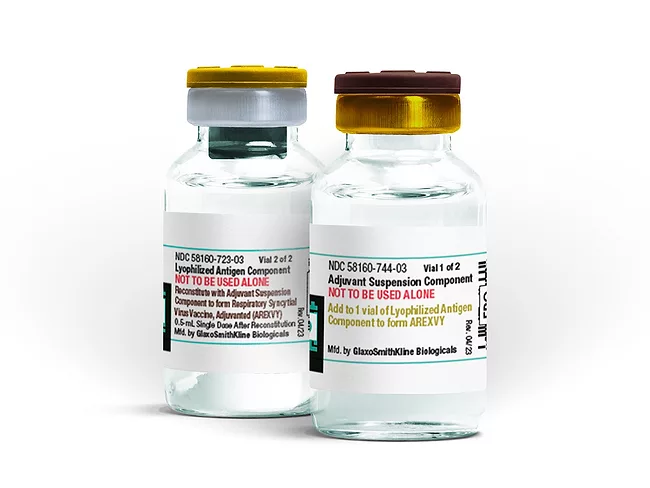
With GSK plc’s Arexvy approved in the U.S. as the first respiratory syncytial virus (RSV) vaccine, several other developers are lining up for what in five years could be a $10 billion market. Their aim is to provide lasting protection for those most susceptible to the endemic virus, particularly young children and those older than 60. Behind GSK is Pfizer Inc. with PF-06928316, which has a U.S. FDA PDUFA date set for this month, and Sanofi SA’s nirsevimab, for which FDA action is expected in the third quarter.
The U.S. FDA has approved the country’s first-ever respiratory syncytial virus (RSV) vaccine, Arexvy, from GSK plc. The adjuvanted vaccine is also the first for older adults anywhere on the planet. GSK now has a head start to vaccinate the U.S. market, but other big companies, such as Sanofi SA and especially Pfizer Inc., are in late-stage development and will pose strong challenges in the coming year. Pfizer’s PF-0692831/RSVpreF, an RSV vaccine for treating lower respiratory tract disease caused by RSV, has a priority BLA with a May 31 PDUFA date.
Although the U.S. FDA’s Vaccines and Related Biological Products Advisory Committee (VRBPAC) voted unanimously, 12-0, March 1 that the data GSK plc presented was adequate to support the safety of its respiratory syncytial virus vaccine, several panelists cautioned the FDA against viewing the vote as a recommendation to license the vaccine before more data are available.
Safety likely will be top of mind when the U.S. FDA’s Vaccines and Related Biologic Products Advisory Committee meets Feb. 28 and March 1 to advise the agency on two respiratory syncytial virus (RSV) vaccines proposed for use in adults who are at least 60 years old.