Prenosis Inc. gained U.S. FDA de novo marketing authorization for an artificial intelligence-powered rapid diagnostic tool for sepsis, one of the most challenging and deadly conditions in hospitals and reported a distribution agreement with Roche Holding AG. Another pairing also made progress in developing a sepsis in vitro diagnostic this week, as Bosch Healthcare Solutions GmbH and Randox Laboratories Inc. joined forces and committed €150 million (US$159.63 million) to the effort.
Asep Medical Holdings Inc. is expanding operations into China with a joint venture (JV) with Chinese medical diagnostics firm Sansure Biotech Inc., ramping up the race to commercialize sepsis diagnostics in Asia.
Inflammatix Inc. received U.S. FDA breakthrough device designation for its Triverity acute infection and sepsis test system, which produces three readouts that could help emergency physicians quickly determine the proper course of treatment.
Asep Medical Holdings Inc. is expanding operations into China with a joint venture (JV) with Chinese medical diagnostics firm Sansure Biotech Inc., ramping up the race to commercialize sepsis diagnostics in Asia.
The time to diagnosis of sepsis infection to a patient in the hospital can be critical, with underdiagnosis resulting in rapid deterioration, risk of organ damage and need for readmission, and overdiagnosis leading to the avoidable and sometimes serious health consequences of overtreating patients with broad-spectrum antibiotics.
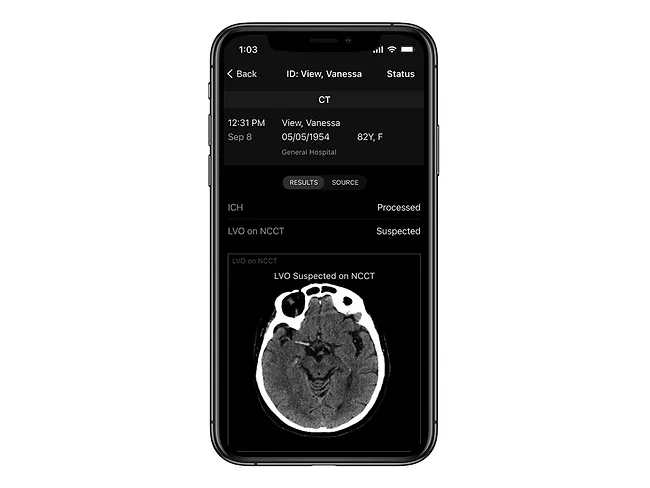
Rapidai Inc. landed $75 million in a series C financing led by Vista Credit Partners. The funds will be used to fuel development of additional indications and expand market reach of its artificial intelligence (AI)-powered clinical decisionmaking and workflow support technology. With this latest round, the San Mateo, Calif.-based company has raised approximately $100 million, according to Crunchbase.
Asep Medical Holdings Inc. reported “ground-breaking” use of artificial intelligence in its SepsetER test to rapidly identify infections at increased risk of severe sepsis. Developed under guidance by Professor Robert E.W. Hancock at the University of British Columbia, analysis of dysfunctional immune responses to identify particular sets of genes could signal when a patient is at risk of acquiring and potentially dying from severe sepsis.