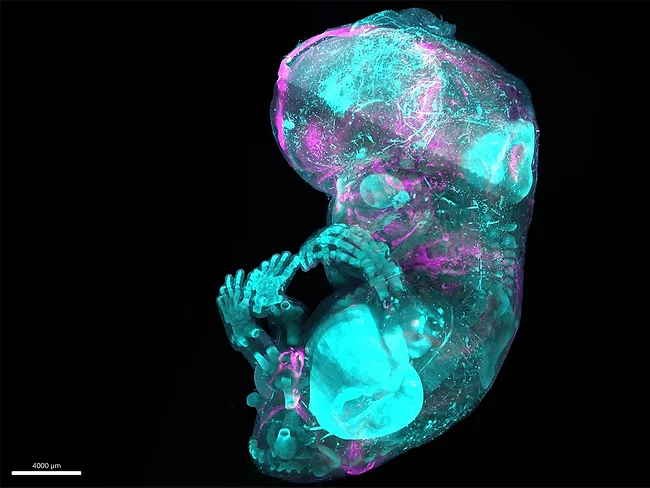
An international consortium of thousands of scientists is creating the Human Cell Atlas, a three-dimensional map of all the cells in the body. The goal is to understand all the cells that make up human tissues, organs and systems, which will enable multiple medical applications. This collection of cell maps is openly available for navigation at single-cell resolution, identified through omics analyses that reveal the tridimensional distribution of each cell.
An international consortium of thousands of scientists is creating the Human Cell Atlas, a three-dimensional map of all the cells in the body. The goal is to understand all the cells that make up human tissues, organs and systems, which will enable multiple medical applications. This collection of cell maps is openly available for navigation at single-cell resolution, identified through omics analyses that reveal the tridimensional distribution of each cell.
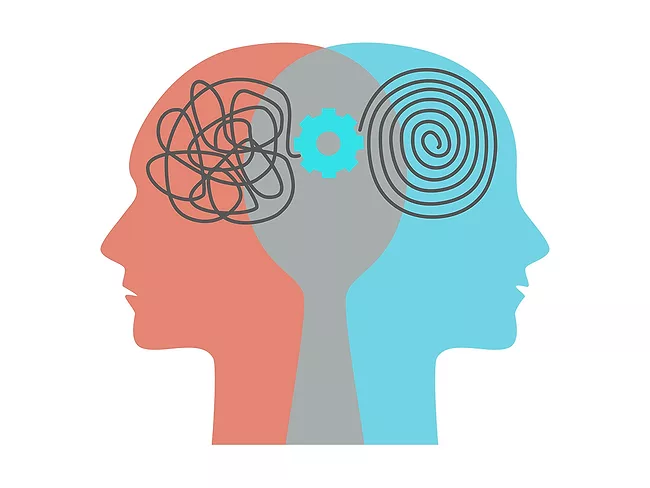
Scientists from the PsychENCODE Consortium have analyzed the brain transcriptome in a coordinated series of studies to map all the cell types, genes, epigenetic factors, and molecular pathways involved in different psychiatric disorders. After a first set of projects based on bulk analysis, the second phase of this project included 14 simultaneous publications that revealed the cellular atlas of post-traumatic stress disorder and major depressive disorder, among others.
Scientists from the PsychENCODE Consortium have analyzed the brain transcriptome in a coordinated series of studies to map all the cell types, genes, epigenetic factors, and molecular pathways involved in different psychiatric disorders. After a first set of projects based on bulk analysis, the second phase of this project included 14 simultaneous publications that revealed the cellular atlas of post-traumatic stress disorder (PTSD) and major depressive disorder (MDD), among others.
The first cellular human and mouse map focused on muscle fibers and their microenvironment has revealed both the mechanisms of deterioration of this tissue over time and its adaptive capacity for regeneration. “We intended to map the skeletal muscle, isolating all the cell types, and characterizing how they change with age,” first author Veronika Kedlian from the Wellcome Sanger Institute in Cambridge told BioWorld.
Another brick in the ambitious Human Cell Atlas initiative has been put into place with the publication of the largest and most comprehensive cell map of the human lung. The open and freely available atlas catalogs the diversity of cells in the lung, including rare and previously undescribed cell types.