Aribio Co. Ltd. signed a $600 million license deal with Acino International AG, an Arcera Life Sciences subsidiary, granting the latter commercial rights to its oral Alzheimer’s disease therapy, AR-1001, in select countries including the Middle East.
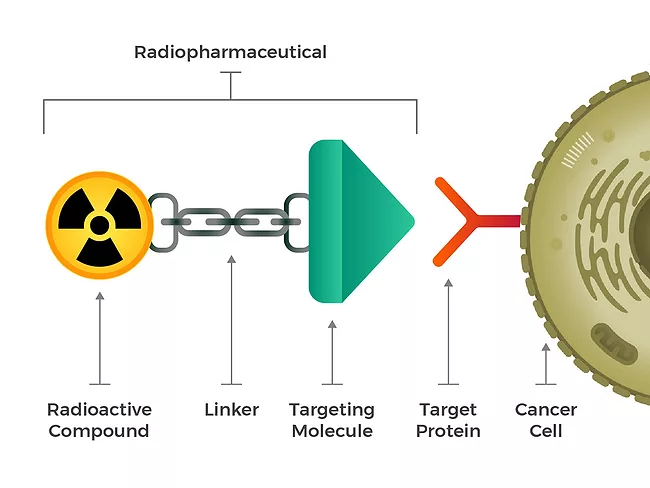
A year out from Leqembi’s approval for Alzheimer’s disease (AD), ongoing research coupled with artificial intelligence is advancing both radiopharmaceuticals and small-molecule drugs for AD diagnostics and treatment, speakers at the 2024 KoNECT-MOHW-MFDS conference said.
A year out from Leqembi’s approval for Alzheimer’s disease (AD), ongoing research coupled with artificial intelligence is advancing both radiopharmaceuticals and small-molecule drugs for AD diagnostics and treatment, speakers at the 2024 KoNECT-MOHW-MFDS conference said.
South Korean biopharma Aribio Co. Ltd. signed a $770 million deal to sign off exclusive rights to its early Alzheimer’s disease drug, AR-1001 (mirodenafil), in China. The exclusive deal for marketing rights will total about ¥5.59 billion (US$770 million), which includes a non-refundable up-front payment of ₩120 billion (US$90 million) and potential milestone payments, along with royalties.
South Korean biopharma Aribio Co. Ltd. signed a $770 million deal to sign off exclusive rights to its early Alzheimer’s disease drug, AR-1001 (mirodenafil), in China. The exclusive deal for marketing rights will total about ¥5.59 billion (US$770 million), which includes a non-refundable up-front payment of ₩120 billion (US$90 million) and potential milestone payments, along with royalties.
Korean neurodegenerative disease-focused Aribio Co. Ltd. gained the U.K.’s regulatory clearance to start the phase III Polaris-AD trial on AR-1001 (mirodenafil), an investigative therapy for early Alzheimer’s disease (AD). The U.K.’s Medicines and Healthcare products Regulatory Agency gave notice of acceptance to Seoul, South Korea- and San Diego-based Aribio for the clinical study on Feb. 21 after “confirming a favorable ethical opinion,” Aribio said. AR-1001 is an oral phosphodiesterase-5 inhibitor under development to treat early AD.
Korean neurodegenerative disease-focused Aribio Co. Ltd. gained the U.K.’s regulatory clearance to start the phase III Polaris-AD trial on AR-1001 (mirodenafil), an investigative therapy for early Alzheimer’s disease (AD). The U.K.’s Medicines and Healthcare products Regulatory Agency gave notice of acceptance to Seoul, South Korea- and San Diego-based Aribio for the clinical study on Feb. 21 after “confirming a favorable ethical opinion,” Aribio said. AR-1001 is an oral phosphodiesterase-5 inhibitor under development to treat early AD.
Questionable efficacy, high priced and risky side effects are some words to describe Leqembi (lecanemab), the latest amyloid beta-targeting antibody approved by the U.S. FDA, Korean experts said, but none of that diminishes the profound significance of the drug for Alzheimer’s disease.
Questionable efficacy, high priced and risky side effects are some words to describe Leqembi (lecanemab), the latest amyloid beta-targeting antibody approved by the U.S. FDA, Korean experts said, but none of that diminishes the profound significance of the drug for Alzheimer’s disease.