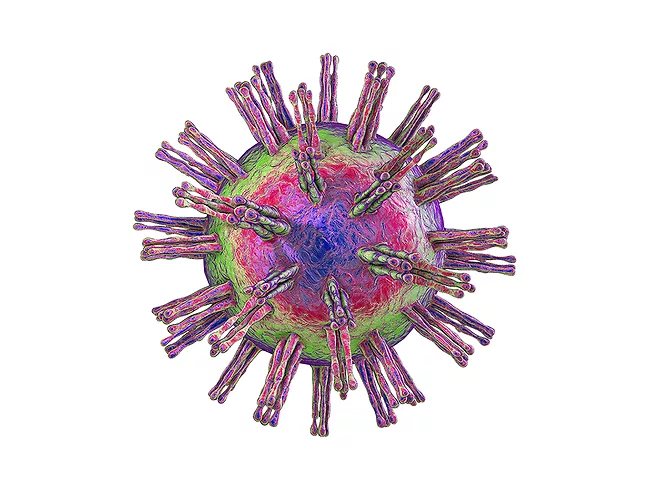
Current treatments for herpes simplex virus 1 (HSV-1) mainly target the viral DNA polymerase, but resistance is becoming an increasing problem. By understanding how HSV-1 initiates replication, scientists hope to find new ways to intervene before this stage, which could potentially contribute to avoid resistance.
Researchers from Excision Biotherapeutics Inc. and affiliated organizations have reported the development of a novel CRISPR/Cas9-mediated genome editing therapy – EBT-104 – for the treatment of latent herpes simplex virus 1 (HSV-1) keratitis.
Researchers from Assembly Biosciences Inc. reported on the preclinical characterization of ABI-5366, a potent helicase-primase inhibitor against both HSV-1 and HSV-2.
EG 427 SAS has added a further a further €5 million (US$5.6 million) to its series A, closing the round at €18 million and setting the stage for the first clinical trial of a gene therapy in the treatment of a chronic disorder.
Merck Sharp & Dohme Corp. has disclosed pyrazolopyrimidine derivatives acting as DNA polymerase inhibitors reported to be useful for the treatment of herpes virus infection.
Transient gene editing of the herpes simplex virus type 1 using mRNA-based CRISPR was shown for the first time to be effective against herpetic stromal keratitis in mice and blocked HSV-1 replication in human corneas, Chinese researchers reported in the January 11, 2021, online edition of NatureBiotechnology.