Circular RNA (circRNA) is not a new concept, but it is a novel strategy in the field of gene and cell therapy. While mRNA vaccines have revolutionized medicine, this RNA fragment without free ends surpasses their performance in both efficacy and durability, bringing it to the attention of several pioneering companies. The latest advances in circRNA presented at the 29th Annual Meeting of the American Society of Gene and Cell Therapy (ASGCT) clearly surpass the performance achieved with linear mRNA.
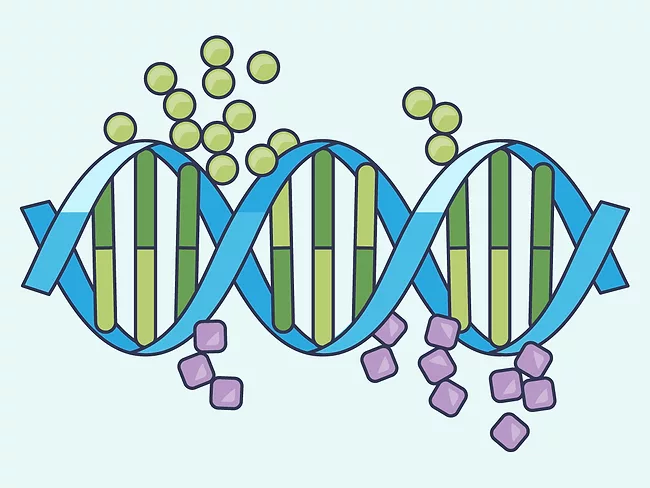
Durable reprogramming of human T cells may now be possible thanks to a new technique based on the CRISPRoff and CRISPRon methodology. Researchers from the Arc Institute, Gladstone Institutes, and the University of California San Francisco have stably silenced or activated genes in this type of immune cell without cutting or altering its DNA, making T cells more resistant, active, and effective against tumors.
Durable reprogramming of human T cells may now be possible thanks to a new technique based on the CRISPRoff and CRISPRon methodology. Researchers from the Arc Institute, Gladstone Institutes, and the University of California San Francisco (UCSF) have stably silenced or activated genes in this type of immune cell without cutting or altering its DNA, making T cells more resistant, active, and effective against tumors.
Eight years after Novartis AG gained U.S. FDA approval of the first CAR T therapy, Kymriah (tisagenlecleucel), for B-cell acute lymphoblastic leukemia, developers are advancing prospects that could significantly impact another disease space outside of cancer – autoimmunity. The efforts are getting a swirl of attention, with Bristol Myers Squibb Co. (BMS) announcing Oct. 10 that it would offer $1.5 billion in cash to buy three-year-old privately held Orbital Therapeutics Inc., including its lead, next-generation CAR T-cell therapy OTX-201, which is designed to reprogram cells in vivo for autoimmune diseases.
As the many challenges facing cell therapies are being addressed, the CAR T field continues to evolve beyond its original design of T cells engineered to target hematological malignancies. During the 32nd Annual Congress of the European Society of Gene and Cell Therapy (ESGCT), held in Seville Oct. 7-10, several studies showed how this technology is being redefined as programmable and adaptable immune cells with expanded functional versatility.
Two independent studies applied CRISPR-based genetic editing – one to treat leukemia and the other to target myeloma – to overcome the challenges faced by CAR T cells, such as exhaustion, impaired activation and fratricide, a phenomenon in which they attack each other.
Aera Therapeutics Inc. has nominated AERA-109, a targeted in vivo CAR T therapy designed to treat multiple B cell-mediated autoimmune diseases, as the company’s first development candidate. AERA-109 leverages Aera’s proprietary targeted lipid nanoparticle (tLNP) delivery platform and CAR T technology.
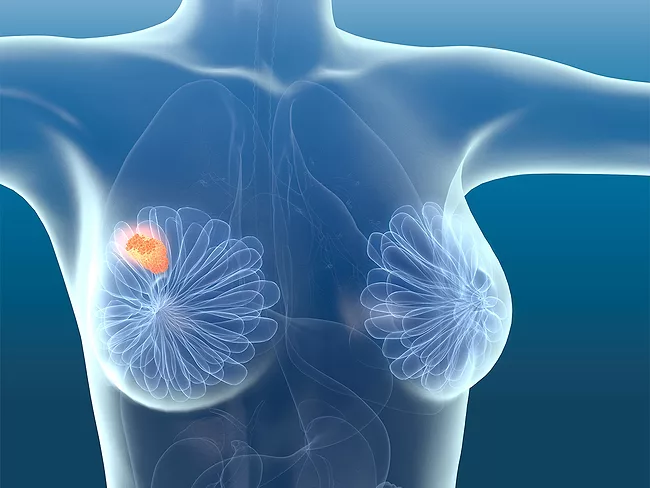
Researchers from Xi’an Jiaotong University and Southern University of Science and Technology have conducted a comprehensive preclinical study to evaluate the efficacy and safety of a second-generation CAR T therapy targeting trophoblast cell-surface antigen 2 (TROP2) for the treatment of triple-negative breast cancer.
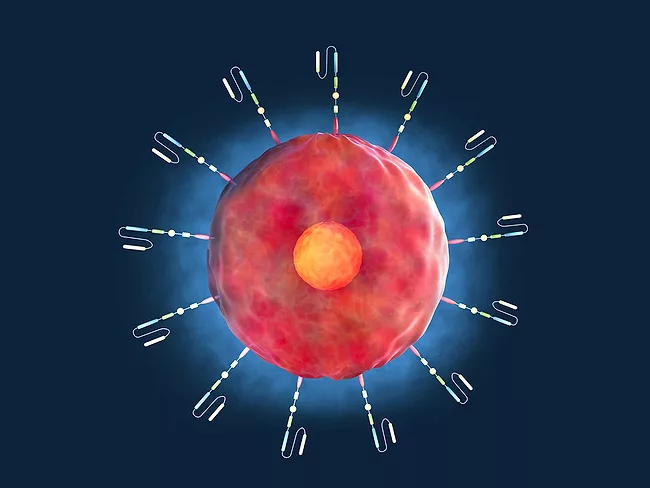
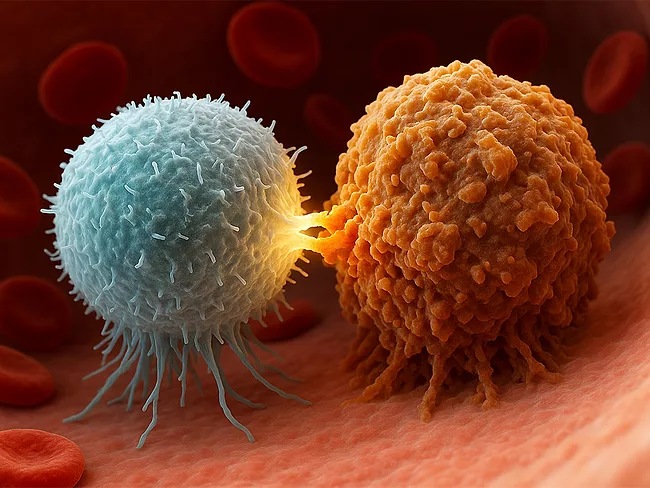
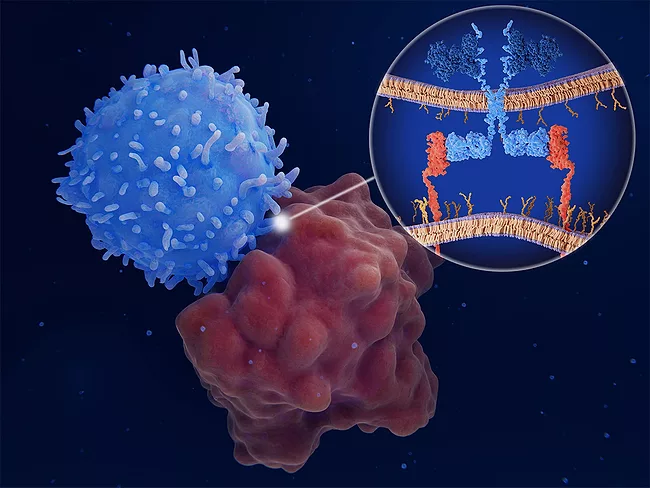
CAR T-cell therapy works by engineering a patient’s T cells to express synthetic receptors that recognize and kill cancer cells without relying on HLA presentation. This approach has shown remarkable success in relapsed or refractory B-cell cancers and multiple myeloma, resulting in several approved treatments. However, no CAR T therapy is currently approved for acute myeloid leukemia (AML) or T-cell acute lymphoblastic leukemia (T-ALL).
Hangzhou Qihan Biotech Co. Ltd. has gained IND approval by the FDA for QT-019B, a universal, dual-target CAR T-cell therapy for refractory systemic lupus erythematosus (SLE). A phase I/II trial will be conducted in the U.S.