Focused on antibody-drug conjugates (ADCs), Neok Bio Inc. made a moderate splash by emerging from stealth mode in November with a $75 million series A financing led by Abl Bio Inc. – and one aspect of its drug development is gaining momentum in various other quarters, including big pharma.
Researchers from Macrogenics Inc. presented preclinical efficacy data on MGC-026, an antibody-drug conjugate (ADC) consisting of a humanized monoclonal antibody (MGA017) targeting B7-H3, linked to a cytotoxic exatecan payload via a cleavable Val-Ala-PABC linker using Synaffix Glycoconnect technology.
The BioWorld Drug Developers Index underperformed both the Nasdaq Biotechnology Index (NBI) and the Dow Jones Industrial Average (DJIA) throughout February and March. However, it showed some recovery by the end of April, finishing the month down 4.67%, slightly worse than the DJIA’s 4.41% decline. The NBI ended April slightly up from both, with a year-to-date drop of 1.16%.
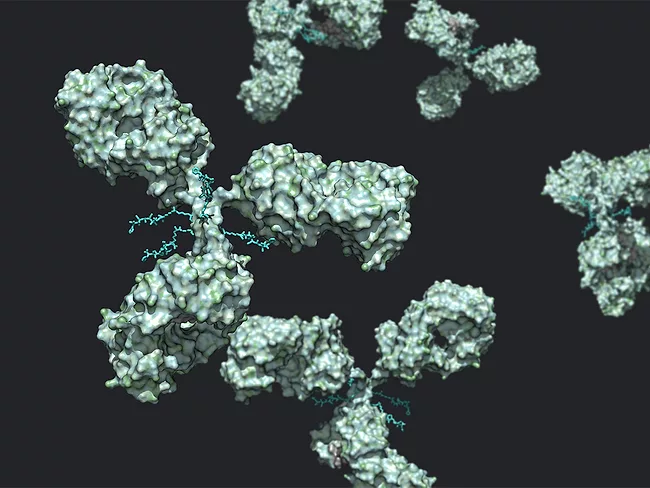
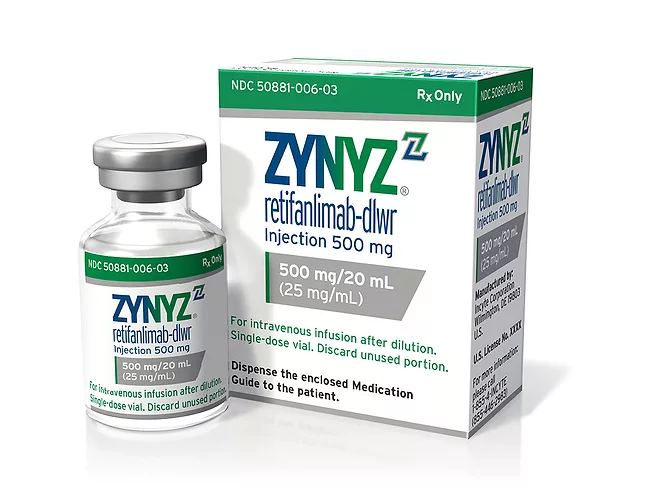
Incyte Corp.’s Zynyz (retifanlimab-dlwr) has received another U.S. FDA approval and put some distance between it and a 2021 complete response letter. The FDA gave the humanized monoclonal antibody targeting PD-1 the nod for first-line treatment of adults with inoperable locally recurrent or metastatic squamous cell carcinoma of the anal canal. That makes it the only approved first-line treatment for this cancer.
Artificial intelligence (AI) technology developer Genesis Therapeutics Inc. has brought in another larger partner to go on a search for the right therapeutic small molecules. The company is getting an up-front $30 million payment from Incyte Corp. and could bring in as much as $295 million per target in development, regulatory and commercial milestones, bringing the deal to about $620 million total.
The BioWorld Cancer Index (BCI) experienced a steep decline in 2024, closing the year down 17.32%. After peaking in late February with an 11.16% gain, the index steadily trended downward, with only brief recoveries that failed to push it back into positive territory. This marked a sharp contrast to 2023, when the BCI soared 76.26% by year-end. In comparison, 2022 saw the index drop by 41.98%, while 2021 closed with a decline of 36.34%.
Artificial intelligence-powered rare disease diagnostics firm 3billion Inc. debuted on the tech-heavy Kosdaq board of the Korea Exchange Nov. 14 with its IPO raising about ₩14.4 billion (US$10.25 million) via an offering of about 3.2 million shares at ₩4,500 per share, the low end of its offering price range.
The BioWorld Drug Developers Index (BDDI) declined in August, ending the month down 1.11% for the year and diverging from its previous trend of mirroring the Nasdaq Biotechnology Index (NBI) and the Dow Jones Industrial Average (DJIA). By the close of August, the BDDI had slipped, while the NBI gained 11.7% year-to-date and the DJIA rose 7.05%.
Macrogenics Inc., agreeing with an independent data monitoring committee, has discontinued dosing patients in the troubled phase II Tamarack study of vobramitamab duocarmazine as a second-line treatment for metastatic castration-resistant prostate cancer.