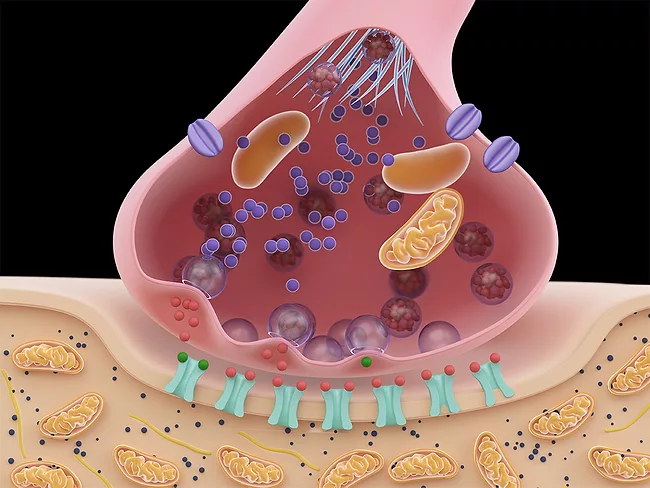
Remynd NV has turned in positive phase IIa data for a new target in Alzheimer’s disease, showing that restoring calcium homeostasis in neurons reduces levels of pathological tau proteins, increases dopamine levels and has a positive effect on cognition in symptomatic patients.
An experimental drug that restored the normal function of ion channels in Alzheimer's disease (AD) prevented the loss of neurons and reduced the accumulation of amyloid-β (Aβ) plaques and hyperphosphorylated tau formed in this condition. A new class of small molecules, collectively called ReS19-T and developed by scientists at the Belgian biotechnology company Remynd NV, reorganized proteins that modulated calcium channels. Now in the clinical phase, this approach could benefit patients suffering from neurodegenerative disorders.
LONDON – Remynd NV has extended its series B, raising a further €12 million and bringing the total for the round to €24 million (US$29 million). The new money will fund clinical proof-of-concept trials in the diverse indications of Alzheimer’s disease and diabetes.