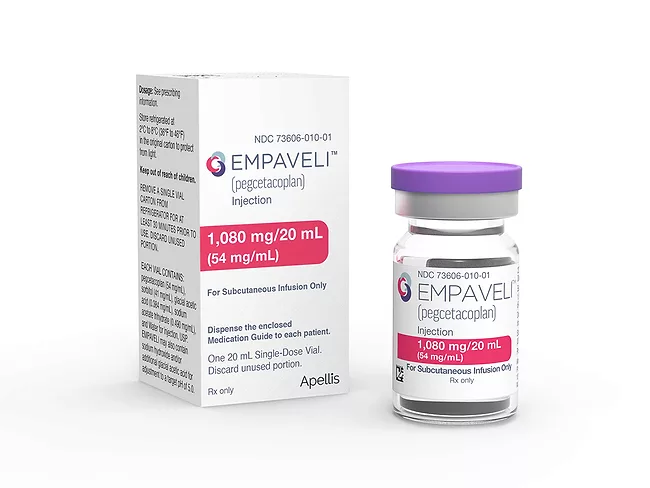
Biogen Inc. hardly blinked at the competition faced by Apellis Pharmaceuticals Inc. as the two companies sealed a deal whereby the former has agreed to acquire all outstanding shares of the latter for $41 each, or about $5.6 billion.
The BioWorld Biopharmaceutical Index extended its autumn rally after a more modest September, finishing November up 23.41% for the year. The gain lagged the Nasdaq Biotechnology Index, which surged 34.97% in the first 11 months of the year, but outpaced the broader Dow Jones Industrial Average, which rose 12.16% in the same period.
The BioWorld Biopharmaceutical Index (BBI) showed signs of recovery after hitting its lowest point of the year in late May, when it closed the month down 7.02%. While still negative overall, the index improved to -5.11% by the end of June and finished July down 3.57%. Similarly, the Nasdaq Biotechnology Index and the Dow Jones Industrial Average bottomed out at the end of May but posted stronger rebounds, closing July up 3.49% and 3.73%, respectively.
Following a priority review, Apellis Pharmaceuticals Inc. received U.S. FDA approval of a supplemental NDA making pegcetacoplan the second marketed treatment for complement 3 glomerulopathy and the first for primary immune complex membranoproliferative glomerulonephritis.
The BioWorld Biopharmaceutical Index extended its downward trend over April and May, closing the latter month down 6.47% after reaching a peak gain of 9.64% at the end of February. The Nasdaq Biotechnology Index followed a similar trajectory, finishing May with a 5.37% decline. Meanwhile, the Dow Jones Industrial Average dipped through April but rebounded slightly in May, ending the month down 0.64%.
Although CAR T-cell therapies have reached significant clinical success in hematological malignancies, their utility in solid tumors remains limited. One of the main challenges is the scarcity of truly cancer-specific antigens for precise targeting of solid tumors. The use of engineered small, specific antigen-binding domains, such as nanobodies, could be a potential strategy to improve the specificity and efficacy of CAR T cells against solid tumors.
Previous work uncovered the role of the complement system in neuroinflammation and synaptic loss in neurodegenerative disorders such as Alzheimer’s disease (AD). The third component, C3, central in all complement activation pathways, has been proposed as a potential therapeutic target in AD.
The U.S. FDA issued a complete response letter Nov. 15 for Izervay’s (avacincaptad pegol intravitreal solution, ACP) supplemental NDA, which sought to include positive two-year data for the Astellas Pharma Inc. therapy, previously approved for use in a treatment for geographic atrophy secondary to age-related macular degeneration.
For once, the EMA appears to have pipped the U.S. FDA to the post, with Pfizer Inc.’s hemophilia A and B therapy Hympavzi (marstacimab) recommended for approval in Europe on Sept. 20, while the U.S. PDUFA date is set for the fourth quarter of the year.