Stem cell implantation is a step closer to becoming the next strategy against Parkinson's disease. Two clinical trials, one in phase I and the other in phase I/II, have demonstrated their safety and potential to restore dopamine production in the brains of patients with this currently incurable neurodegenerative condition. The number of participants in the study is still small, and further research is needed to demonstrate the clinical benefits of these cell therapies.
Investigators at the Chinese Academy of Sciences have generated a chimeric monkey by injecting an embryonic stem cell into the morula, which is an extremely early embryo consisting of 16 to 32 cells. The animal survived for only 10 days, and it is not the first live birth of a chimeric primate. But it is the first such chimera with contributions from an embryonic stem cell, and that stem cell contributed a far higher proportion of cells in the newborn than have been achieved in previous attempts at creating chimeras.
Investigators at the Chinese Academy of Sciences have generated a chimeric monkey by injecting an embryonic stem cell into the morula, which is an extremely early embryo consisting of 16 to 32 cells. The animal survived for only 10 days, and it is not the first live birth of a chimeric primate. But it is the first such chimera with contributions from an embryonic stem cell, and that stem cell contributed a far higher proportion of cells in the newborn than have been achieved in previous attempts at creating chimeras.
Newstem Ltd. filed a presubmission to the U.S. FDA for a de novo request and an in vitro diagnostic device with the EMA for its Newstem software diagnostic device (NSDD). The bioinformatics-based platform is a personalized diagnostic to inform oncologists about the presence of mutations in tumors and predict a patients’ resistance to chemotherapy treatments. The technology utilizes specialized stem cells (haploid cells) that carry just one set of chromosomes.
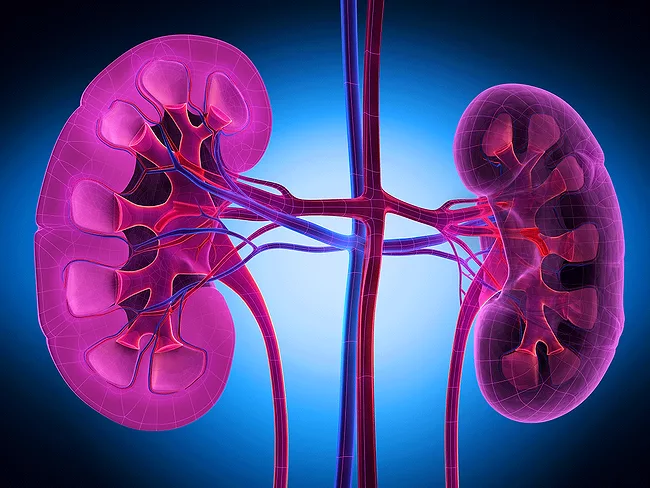
Japanese researchers have created complex 3D kidney organoids that could lead the way to better kidney research and even artificial kidneys for human transplant.