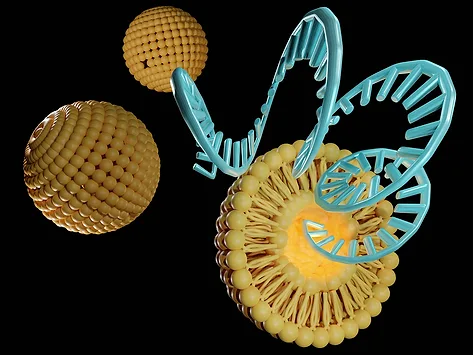
Researchers from the University of Iowa and collaborators developed Co-Npc1:LNP, an mRNA replacement therapy for Niemann-Pick type C1 (NPC1) disease, a lysosomal storage disorder caused by loss-of-function mutations in NPC1.
TSC Alliance and Apertura Gene Therapy LLC have announced progress in their collaboration to advance gene therapies to treat tuberous sclerosis complex (TSC) with the completion of a preclinical pilot study evaluating an AAV gene therapy approach for TSC1.
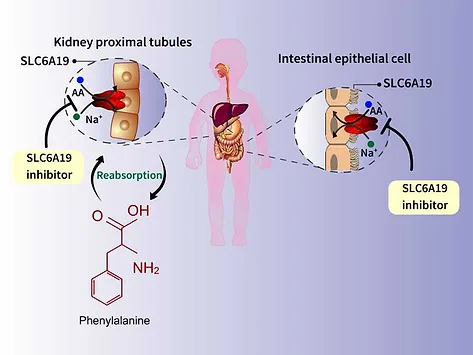
Phenylketonuria (PKU) is a recessive genetic disorder caused by deficiency of phenylalanine hydroxylase (PAH). This causes phenylalanine (Phe) accumulation and disrupted brain amino acid homeostasis, resulting in hypomyelination, gliosis and neurotransmitter deficits, and leading to severe neurodevelopmental impairment.