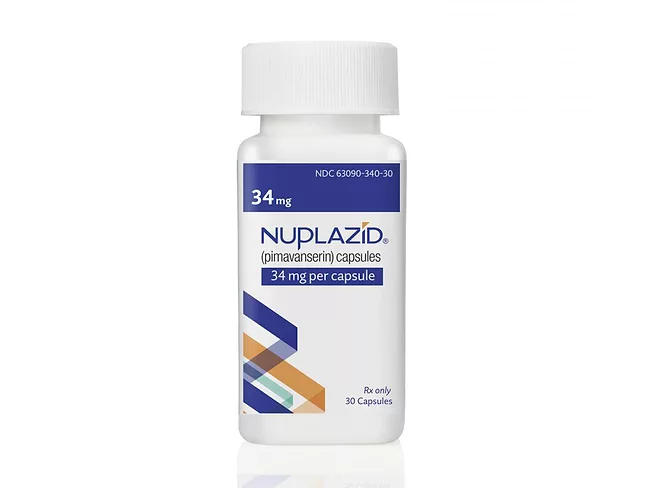
The FDA’s Psychopharmacologic Drugs Advisory Committee posted briefing documents related to the June 17 meeting, set to consider Acadia Pharmaceuticals Inc.’s sNDA for Nuplazid (pimavanserin) to treat hallucinations and delusions associated with Alzheimer’s disease psychosis (ADP). Although shares of the San Diego-based firm (NASDAQ:ACAD) stayed in the black, closing at $18.77, up $2.52, or 15.5%, the briefing docs did not bring uniformly good news, echoing some of the concerns spelled out in an earlier complete response letter.
A raft of potentially high-value drug development collaborations, most for gene and RNA therapies, led the first day of the 40th Annual J.P. Morgan Healthcare Conference Monday. Pfizer Inc. enlisted Beam Therapeutic Inc. to advance in vivo base editing programs for up to $1.35 billion, while Bayer AG tapped Mammoth Biosciences Inc.’s in vivo CRISPR systems expertise in a potential $1 billion-plus deal. Selecta Biosciences Inc. inked a new $1.1 billion partnership with Ginkgo Bioworks Inc. to develop next-generation gene therapy capsids, while Acadia Pharmaceuticals Inc. agreed to pay Stoke Therapeutics Inc. as much as $967 million to develop RNA-based medicines. Work on new mRNA vaccines and therapies is also proceeding, with both Pfizer and Biontech SE announcing new collaborations in the space.
PERTH, Australia – Neuren Pharmaceuticals Ltd.’s stock nearly doubled on positive top-line phase III results for trofinetide in Rett syndrome, meeting all primary and secondary endpoints in the pivotal phase III trial run by partner Acadia Pharmaceuticals Inc.
Continuing an upward trajectory, BioWorld’s Drug Developers Index (BDDI) has climbed more than 10% since the start of this year, following sharp drops at the end of March and May. Shares began to rebound in June and the index has shown a steady incline, similar with the Nasdaq Biotechnology Index, which is currently up 12%.
Stock market exuberance, particularly in favor of an innovative industry working to pull the world out of the deadly COVID-19 pandemic, led to drug developers shares surging 30% in 2020. But if one thing is certain, it is this: Markets usually pull back and that is partially why BioWorld’s Drug Developers Index is showing only a 2.06% gain so far this year, in contrast to both the Nasdaq Biotechnology Index and the Dow Jones Industrial Average, which are up 6.28% and 10.96%, respectively.
It has been a challenging opening first quarter for companies developing new therapeutics, with the BioWorld Drug Developers index recording a 9% drop in value, representing a stark contrast to its more than 35% growth last year.
Acadia Pharmaceuticals Inc. President Serge Stankovic said the company was “kept completely in [the] dark” by the FDA regarding specifics about what the agency found wrong a month ago with the sNDA for Nuplazid (pimavanserin) – until, that is, the agency’s complete response letter (CRL) landed on the firm’s desk.
Although U.S. President Joe Biden has yet to nominate his choice to lead the FDA, his nomination of Xavier Becerra as the next Health and Human Services (HHS) secretary – and Becerra’s Senate confirmation March 18 – could signal a shift to a more conservative approach at the FDA when it comes to approving new drugs and devices.
Recently published findings in JAMA Psychiatry related to the sharply increased risk of death from COVID-19 in people with schizophrenia put the spotlight on drug development in the space, which has been steadily heating up the past few years.
Moving to build out its central nervous system (CNS) portfolio with an eye to what Acadia Pharmaceuticals Inc. CEO Steve Davis called an "urgent need for new approaches to treat pain without causing addiction," the company is acquiring privately-held Cersci Therapeutics Inc. for $52.5 million, primarily in stock.