The U.S. FDA recently proposed a modest overhaul of the rules pertaining to radiological products and other categories of products in an effort to eliminate duplicative or obsolete rules, such as a requirement for triplicate reports for variances in system performance.
The U.S. FDA’s 2018 program for voluntary malfunction summary reporting (VMSR) was intended to ease the burden for both industry and the agency regarding low-risk malfunctions associated with a limited set of device types. However, a new draft guidance on the subject drew criticism from two trade associations for being administratively cumbersome, suggesting the guidance will need considerable cleaning up before presentation in final form.
Merit Medical Systems Inc. received a U.S. FDA breakthrough device designation for its Scout MD surgical guidance system, which enables physicians to pinpoint tumor location in soft tissue. The system uses up tiny reflectors to provide multidimensional location data that can improve the ability to remove the entire tumor with minimal trauma to the surrounding tissue, which can be a challenge in surgeries such as lumpectomies.
The U.S. FDA granted 510(k) clearance to Hyperfine Inc. for improved artificial intelligence (AI)-powered software for its Swoop portable magnetic resonance imaging (MRI) device. The company launched the new software this week.
The U.S. Federal Trade Commission (FTC) has updated a 1998 compliance guidance for health care products, much of which reiterates the provisions of the legacy edition. However, this updated version calls for randomized, controlled clinical trials to substantiate any claims made in connection with medical devices.
It may still be true that a majority of medical devices are manufactured in the U.S., but that doesn’t stop the FDA from dropping a warning letter on facilities located outside the U.S. (OUS). In one of these warning letters, Microvention Inc., of Aliso Viejo, Calif., received a warning letter for its plant in Costa Rica, although the FDA waited until the second week of February to post the Sept. 30, 2022, warning.
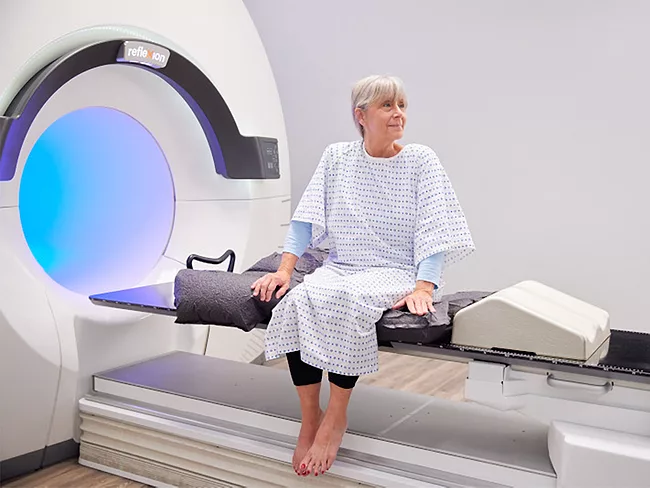
Reflexion Medical Inc. has been granted U.S. FDA marketing clearance for biology-guided radiotherapy to treat early and late-stage cancers. An expansion of the company’s existing X1 platform, Scintix is indicated for patients with lung and bone tumors which may arise from primary cancers or from metastatic lesions spread from other cancers in the body.
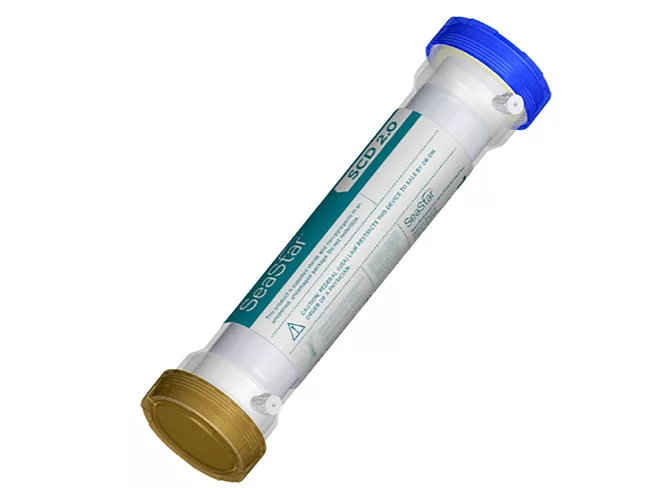
The U.S. FDA has cleared the way for Seastar Medical Holding Corp.. to conduct a pivotal IDE study of its Selective Cytopheretic Device (SCD) in adults with acute kidney injury (AKI). The Denver-based company plans to begin enrolling patients as early as next month.
The U.S. FDA raised some hackles with its final guidance for clinical decision support (CDS) software, thanks to provisions that some stakeholders argued flew against congressional intent regarding the regulatory status of some device functions. That final guidance is now the target of a petition by the CDS Coalition to withdraw and rewrite the final guidance, arguing that the agency is “doing an end run” around the limitations established by Congress regarding the FDA’s oversight of software as a medical device (SaMD).
The U.S. FDA and makers of medical devices have several collaborative programs, but the two sides have joined forces yet again in a new collaboration, this time to address both product quality issues and supply chain resiliency.