M.A. Medalliance SA has been awarded a de novo investigational device exemption (IDE) by the U.S. FDA for its sirolimus-eluting balloon. This approval is subject to initiation of a pivotal clinical trial in the U.S.
The Biden administration has determined that the public health emergency (PHE) for the COVID-19 pandemic will not be renewed and thus will come to an end in the second week of May. While the end of the PHE will affect some Medicare telehealth provisions that have not been memorialized in legislation, the U.S. FDA’s ability to issue emergency use authorizations (EUAs) will not be immediately affected as that authority was invoked by a separate mechanism.
The advantage of the U.S. FDA’s effort to regulate artificial intelligence (AI) in medical devices is that it is specific to medical devices and other medical products, but this vertical approach to AI regulation might soon become exceptionally complicated thanks to a new AI risk management framework posted by the U.S. National Institute for Standards and Technology (NIST). The NIST guideline is agnostic to the sector of the economy and thus may carry with it the expectation that developers of software as a medical device will hew to both the NIST framework and FDA regulations, a layering of requirements that could vastly complicate the task of developing and deploying these algorithms.
Four members of the U.S. Senate have inked a draft bill that would require the FDA and the Patent and Trademark Office (PTO) to set up a task force designed to improve communication between the two agencies. This would appear to replicate a bill introduced during the 117th Congress, but not ultimately passed, and there is little clarity this early in the legislative cycle as to the prospects for this latest iteration.
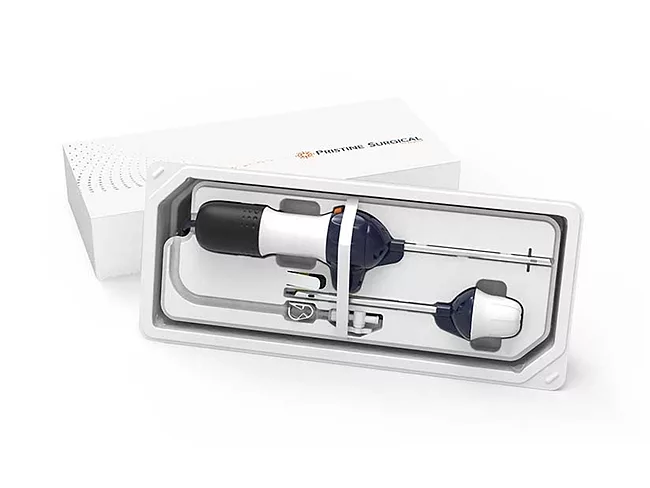
The U.S. FDA has cleared a first-of-its-kind 4K single-use arthroscope developed by Pristine Surgical LLC to improve the efficiency, consistency, and safety of arthroscopic procedures. The single-use Summit surgical arthroscope is said to deliver a high-definition image using a simple set up and automated inventory management system for improved predictability and workflow.
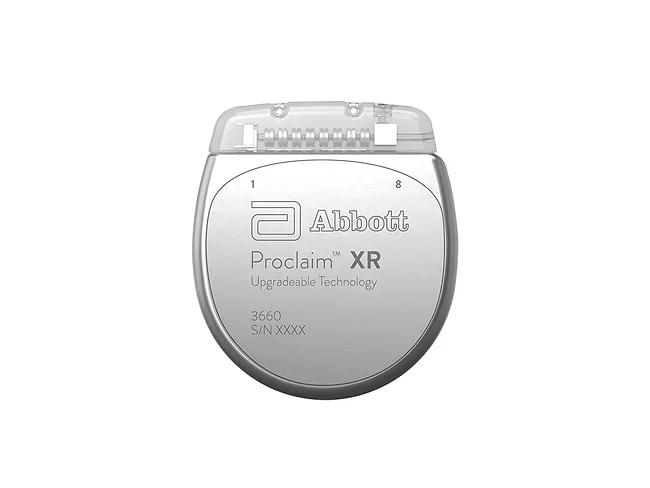
The U.S. FDA approved the Proclaim XR spinal cord stimulation system by Abbott Laboratories for painful diabetic peripheral neuropathy (DPN). The system offers an alternative to patients for whom oral medications do not provide sufficient relief. About half of individuals with diabetes will eventually develop peripheral neuropathy which primarily damages the nerves running down the legs to the feet.
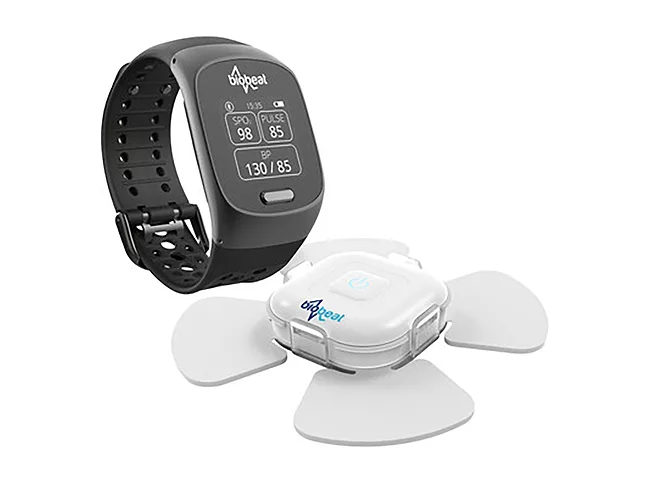
Biobeat Technologies Ltd. expanded its U.S. FDA-cleared remote patient monitoring offerings with a double nod from the agency for its sensors to monitor stroke volume and cardiac output. The two new indications join its capabilities for measuring the five vital signs assessed in any medical visit—blood pressure, blood oxygen saturation, pulse rate, respiratory rate and body temperature—all of which can be done using photoplethysmography (PPG) on sensors embedded on either a short-term chest patch or a more durable wrist monitor.
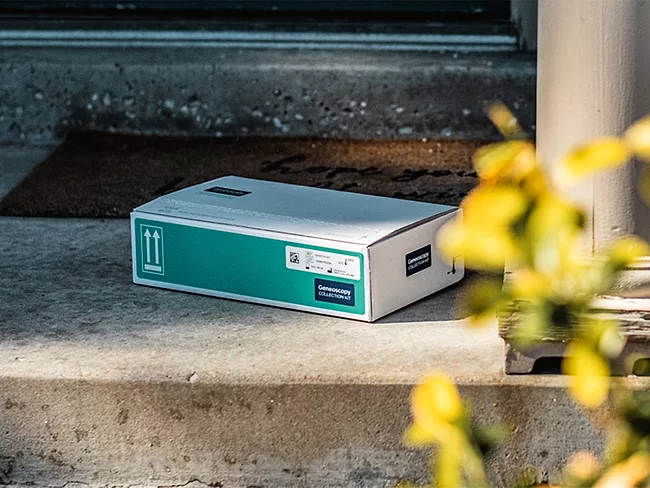
Diagnostics startup Geneoscopy Inc. said Tuesday it has completed a PMA submission for its noninvasive, stool-based, at-home screening test for the detection of colorectal cancer (CRC) and advanced adenomas (AA) in average-risk individuals. The filing is based on positive results from the company’s pivotal CRC-PREVENT trial that met all primary outcome targets, including sensitivity and specificity for CRC and AA.
The U.S. FDA has posted yet another two regulations for devices granted market access via the de novo petition program, one of which addresses dry eye by means of pulsatile light emissions. This device may serve as a predicate for many 510(k) devices if estimates of prevalence in the tens of millions in the U.S. are any indication.
Selux Diagnostics Inc. received U.S. FDA 510(k) clearance for its next generation phenotyping (NGP) system, a rapid antibiotic susceptibility test (AST) platform that determines a bacteria’s susceptibility to 14 specific antimicrobial agents in less than six hours. Prompt identification of the narrowest effective antimicrobial for an infection is critical to the battle to preserve the efficacy of critical antibiotics and slow the development of ‘superbug’ infections.