The U.K. is mulling over whether to recognize U.S. FDA approvals of medical devices as part of moves to accelerate the implementation of its post-Brexit regulatory system.
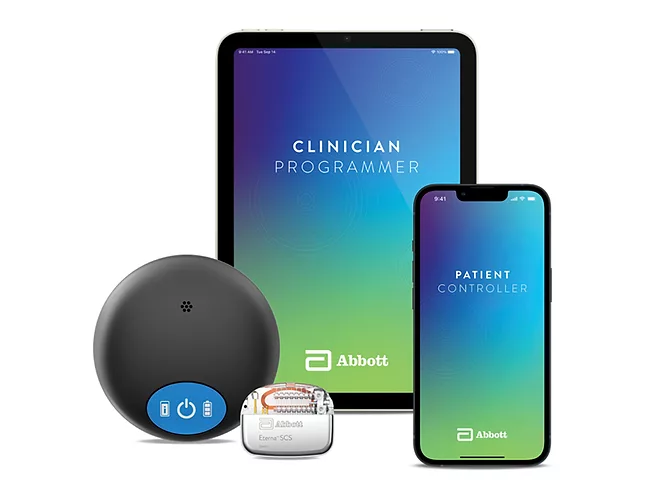
Building on the U.S. FDA approval of its Proclaim Plus spinal cord stimulation (SCS) system in August, Abbott Laboratories notched another approval with the FDA’s greenlight of the Eterna spinal cord stimulation system.
The conviction and sentencing of Elizabeth Holmes and Sunny Balwani of Theranos Corp. might be seen as an example of retribution for testing technology that didn’t exist and thus endangered patients, but that perception doesn’t stand up to scrutiny.
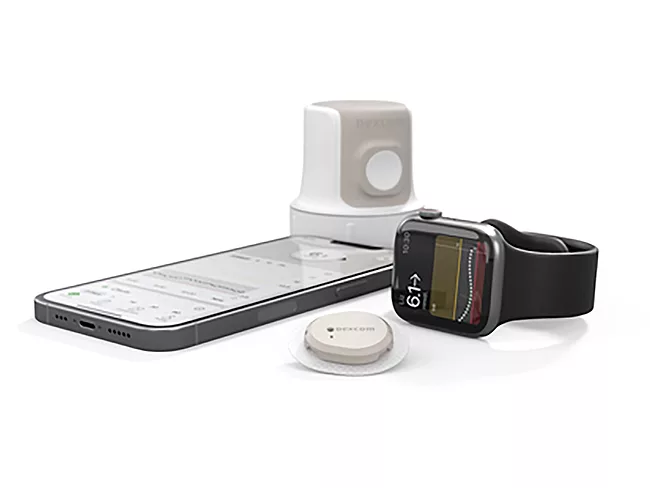
Dexcom Inc. ends 2022 on a high note with broad clearance from the U.S. FDA for its G7 continuous glucose monitoring system (CGM). The long-awaited 510(k) clearance encompasses use in people with all types of diabetes age two and older, positioning Dexcom to take advantage of expanded coverage of CGMs to include individuals on basal insulin-only for Medicare beneficiaries as proposed by CMS in October.
The U.S. Department of Justice (DOJ) has developed a number of policies related to corporate misconduct over the past couple of decades, some of which were stood up only to be reversed a short time later.
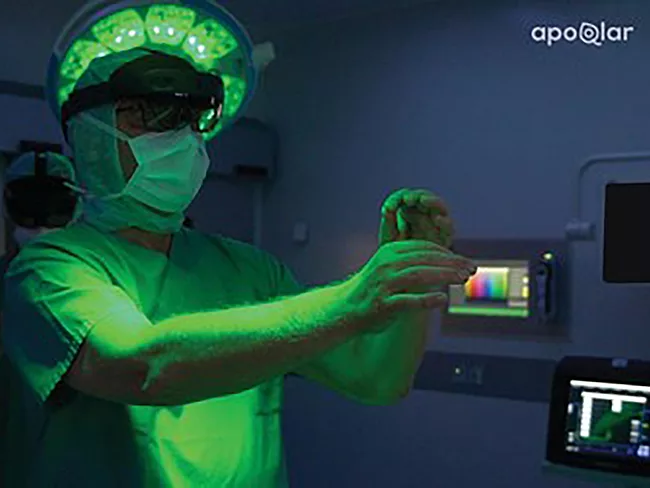
Apoqlar GmbH received a green light from the FDA for its VSI Holomedicine, a mixed reality software enabling surgeons to plan procedures in an immersive 3D experience. The company expects to release the technology for clinical use in the U.S. in the second quarter of 2023.
Getinge AB reported that intraortic balloon pumps (IABPs) manufactured by its Datascope subsidiary are in short supply following a recall of some of these devices in 2019. Getinge said manufacturing of units and parts is proceeding at the maximum pace allowed by supply chain volatility and recommended that hospitals facing shortages contact other nearby hospitals in the event of a lack of device availability.
The U.S. FDA reported that the post-approval study (PAS) for the Impella RP by Abiomed Inc. of Danvers, Mass., demonstrated that the device performed well for patients who would have been eligible for the pivotal study, providing a 69.7% survival rate at 30 days after device explant.
The U.S. House of Representatives has resurrected the Pre-approval Information Exchange (PIE) Act, a bill that would bolster the prospects for drugs and devices by improving communications with payers prior to U.S. FDA clearance or approval of the product.
The U.S. House of Representatives has resurrected the Pre-approval Information Exchange (PIE) Act, a bill that would bolster the prospects for drugs and devices by improving communications with payers prior to U.S. FDA clearance or approval of the product. The supporters of the legislation, a bipartisan group of members of the House Energy and Commerce (E&C) Committee, see the legislation as essential as a means of overcoming some of the ambiguities in a 2018 FDA guidance pertaining to communications between manufacturers and payers, and thus a replay of one of the more interesting methods of critiquing an FDA guidance.