The U.S. FDA has finalized a guidance for class II devices for treatment of peripheral artery disease that excludes drug-coated balloons (DCBs), which are regulated as class III devices. One of the issues the med-tech industry may have with the guidance is that it fails to acknowledge that a device accessory is in some instances exempt from the requirements of the 510(k) program even though the agency has a policy specific to that consideration.
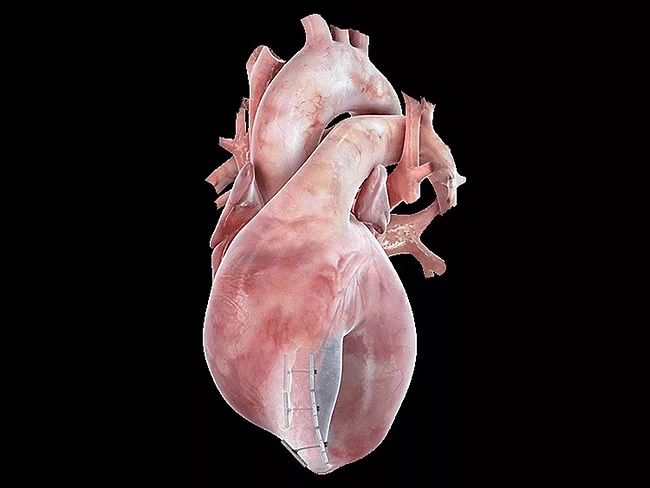
Andera Partners led a $48.5 million series A financing round for Bioventrix Inc. which will allow the medical device company to complete its premarket approval (PMA) submission for the Revivent TC system. Andera joined Cormorant Asset Management and Squarepoint Capital as new investors in Bioventrix. Existing investors, Taglich Brothers Inc. and Richmond Brothers, also contributed to the fundraising.
Seemingly in response to the release of a proposed rule for ethylene oxide emissions by the U.S. Environmental Protection Agency, the U.S. FDA has released a second pilot program for device master files for sterilization of medical devices. This program is for single-use PMA devices only made by nine companies and allows the manufacturer or sterilizer to document the switch to radiation sterilization with an expedited review process.
Developers of clinical decision support (CDS) software have their hands full with a recent U.S. FDA final guidance on these products, but the picture promises to become more byzantine with the publication of a draft rule by the Office of the National Coordinator (ONC). The new ONC proposal would require a demonstration of transparency for decision support intervention (DSI) predictive functions in order for that software to qualify for ONC certification, a requirement that might not overlap neatly with the FDA’s own transparency requirements.
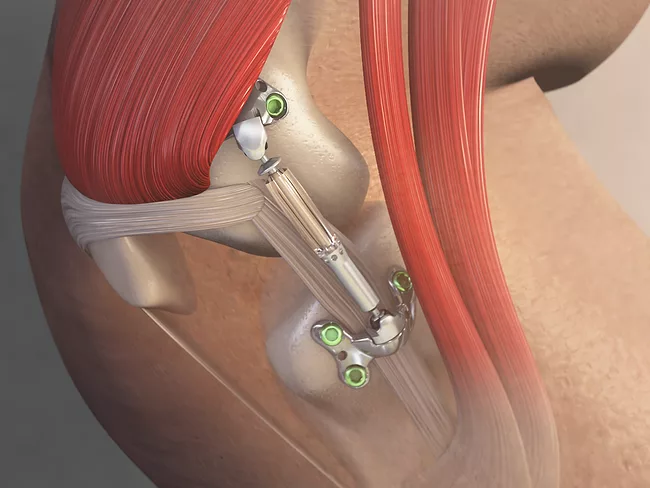
The U.S. FDA has granted de novo authorization to Moximed Inc. for its Misha knee system, a first-of-its-kind implantable shock absorber for people suffering from osteoarthritis (OA) of the knee. The device is intended to relieve pain and improve daily function in patients ineligible for, or not ready to undergo, joint replacement.
The U.S. Environmental Protection Agency (EPA) has proposed a new set of requirements for control of emissions of ethylene oxide (EtO), a standard the agency claims will “slash” emissions by 80% per year. The problem for med-tech trade associations is that EPA expects that the abatements be implemented within 18 months, a pace that industry says is too aggressive and could lead to shortages of critical devices and products used in surgeries and other procedures.
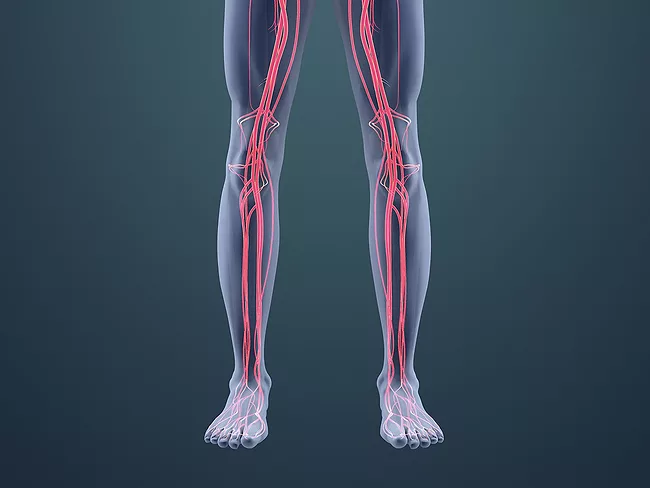
Getinge AB received U.S. FDA premarket approval (PMA) for its Icast covered stent system, which has been used by clinicians for 20 years under the brand name Advanta V12. Icast is designed to treat patients with iliac arterial occlusive disease, a type of peripheral arterial disease where atherosclerosis narrows and blocks peripheral arteries.
In December 2013, the U.S. FDA held an advisory hearing on spinal spheres used in intervertebral fusion procedures, a hearing that generated a recommendation that the agency classify these devices as class III devices. The agency finally followed through on that recommendation with a final rule that requires a PMA filing for these devices, concluding a process that took much longer than the typical rulemaking.
The International Medical Device Regulators Forum (IMDRF) has posted a guidance that spells out the use of a common document for regulatory review for member regulatory authorities, a mechanism that might ease the lives of manufacturers across the globe.
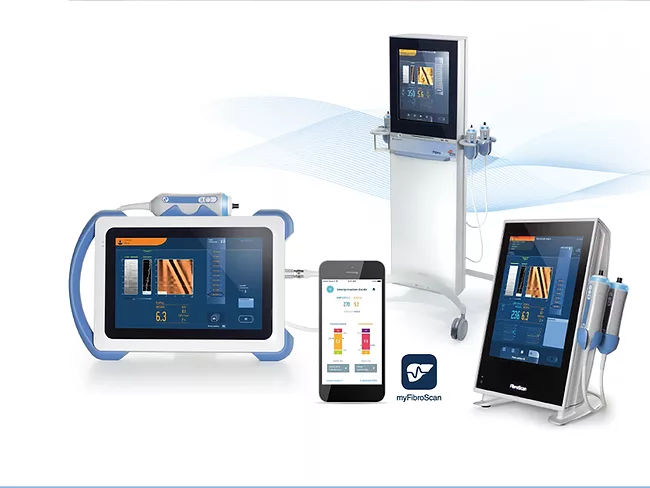
Echosens SA obtained clearance from the U.S. FDA to expand the indications for screening with its Fibroscan system. The approval removes contraindications for pregnancy and active implant and includes patients with confirmed or suspected liver disease. It designates Fibroscan as a noninvasive aid for clinical management, diagnosis and monitoring of adult and pediatric patients with liver diseases. The age has been removed as the first selection probe and exam-type step.