Pillar Biosciences LLC hopes to build a stronger foundation for its multi-cancer in vitro diagnostic, Oncoreveal Dx. The company filed a supplemental application for U.S. FDA premarket approval of eight additional types of cancer, which the agency accepted for review. The assay received FDA premarket approval for use in non-small cell lung cancer (NSCLC) and colon cancer in August 2021.
Now that Novavax Inc. has received an emergency use authorization (EUA) from the U.S. FDA allowing adults to receive the adjuvanted vaccine to ward off severe acute COVID-19, it’s time for the CDC to weigh in. Once its Advisory Committee on Immunization Practices meets July 19 to discuss the vaccine and make a policy recommendation, the vaccine will be available on the market.
Aldeyra Therapeutics Inc. CEO Todd Brady said that, with new data from a crossover trial with reproxalap in dry eye disease (DED), the question of “approvability has been put to bed,” and the company plans a pre-NDA meeting with U.S. FDA in the third quarter of this year.
The U.S. FDA has applied a class I designation to the recall of Flow-c and Flow-e anesthesia systems manufactured by Getinge AB of Gothenburg, Sweden, due to reports of faulty on-off switches, which could lead to a failure to provide the needed suction. While no injuries or fatalities have been reported in connection with the problem, the FDA said one possible consequence of device failure is pulmonary obstruction that could ultimately lead to death.
The U.S. FDA’s efforts to improve medical device quality includes a recent draft guidance that pertains to the pilot version of a voluntary improvement program, but stakeholders see a number of critical issues with the draft. A coalition of device makers said this pilot program should include disclosure guardrails that parallel similar guardrails provided for medical device reports (MDRs), a provision related to discovery during product liability litigation that is seen as critical if device makers are to take part in the voluntary improvement pilot.
As was the case for all medical device inspections, the Medical Device Single Audit Program (MDSAP) was hampered by the COVID-19 pandemic, but the participant regulators agreed to allow the use of remote audits to fill in for live MDSAP inspections. This program has been renewed again through the end of September 2022, but the sponsoring regulatory agencies said this will be the last extension, barring exceptional circumstances.
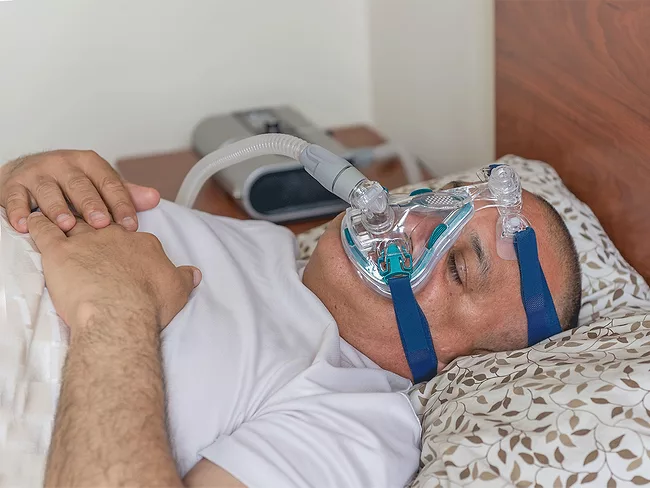
Device servicing by third parties has been topical of late, although not in the context of continuous positive airway pressure (CPAP) systems. That seems likely to change thanks to the ongoing recall of CPAP machines made by Philips Respironics Inc., of Murrysville, Pa., which was driven by reports of degradation of foam used in the device for insulation.
The U.S. FDA reported a proposed down-classification for two device types intended for detection of melanoma, a move that would ease the premarket path for similar devices. The agency noted that it has received only one PMA application each for optical diagnostic devices and electrical impedance spectrometers, which suggests the agency sees these device types as suffering for want of interest on the part of device makers.
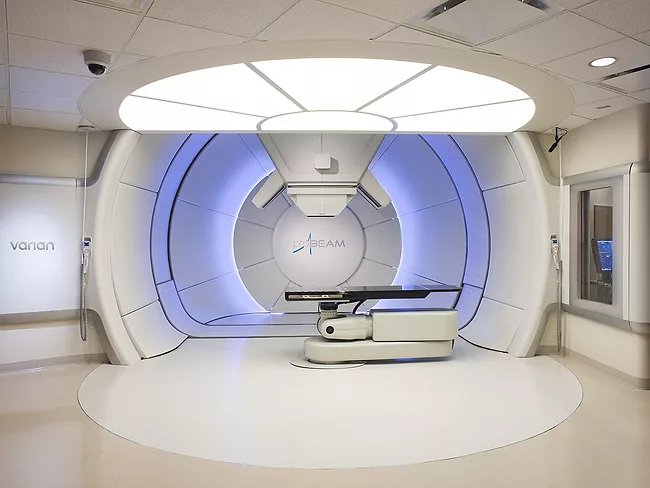
Varian Medical Systems Inc. received an investigational device exemption (IDE) from the U.S. FDA to start a clinical trial evaluating its new radiation therapy. The experimental treatment, named Flash, delivers radiation at ultra-high dose rates, typically in less than one second. The Siemens Healthineers AG company said the therapy is capable of being over 100 times faster than conventional radiation therapy.
The U.S. FDA posted an updated safety communication regarding pulse oximetry accuracy with an eye toward those with darker skin pigmentation, a problem that has surfaced in the medical literature. The FDA said it intends to convene an advisory committee hearing later this year, suggesting that more strict performance standards for pulse oximeters are on the way.