The U.S. FDA has advised the public that it is in possession of 10 reports of squamous cell carcinoma and 12 reports of various lymphomas in connection with breast implants, a series of findings that are separate from known incidents of lymphoma.
For a company that dominates the market for devices designed to improve breathing during sleep, Royal Philips NV has had the devil of time catching its own breath over the last 15 months as it has issued wave after wave of recalls.
A variety of positive airway pressure (PAP) devices made by Philips Respironics Inc. have been subject to a lengthy and expensive recall due to the use of a problematic material in acoustic insulation foam, but now the company has a new headache in connection with its offerings. The FDA said this latest safety notification is due to the possible presence of a plastic that is contaminated with a non-compatible material, although this recall affects fewer than 400 units.
The COVID-19 pandemic encouraged a lot of things, including shoddy product quality, but a recent FDA warning letter suggests that the associated need for tests also encouraged a few operations that had less than a full commitment to quality management.
Integra Lifesciences Holdings Corp., of Plainsboro, N.J., said in its latest 8K filing that it has decided to voluntarily remove all the company’s Cerelink systems – which are indicated for intracranial pressure monitoring – due to customer reports that these monitors were returning inaccurate pressure readings.
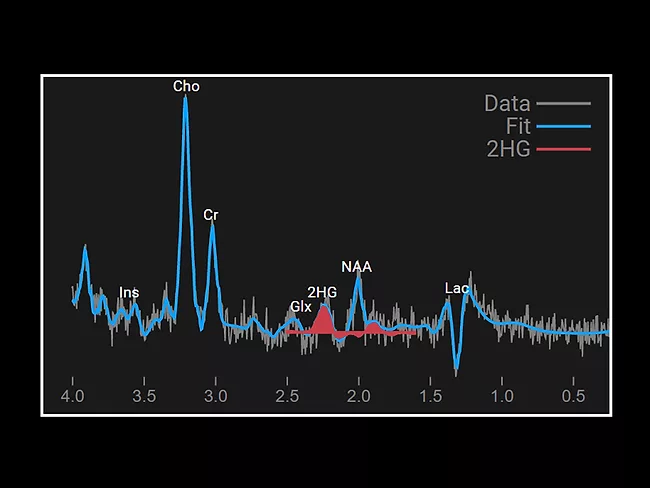
The U.S. FDA granted breakthrough device designation to startup Brainspec Inc. for its non-invasive virtual brain biopsy system. The company uses standard magnetic resonance imaging equipment to measure brain chemistry rather than to create images, providing a more detailed view of pathophysiology involved in a range of neurological disorders.
The U.S. FDA has identified a recall of Medtronic cardiac electrophysiology devices as a class I event due to the risk of an inadequate delivery of energy to restore normal rhythm, a recall that affects more than 87,700 units in total. Dublin-based Medtronic plc., said, however, that it is developing a software patch that will remedy the issue, a fix the company said will emerge in late 2022.
After five years, the U.S. FDA finally released a final rule for over-the-counter hearing aids along with an associated guidance, a development that was stipulated by the FDA Reauthorization Act (FDARA) of 2017. Xavier Becerra, Secretary of the U.S. Department of Health and Human Services, was among several HHS officials who appeared on the Aug. 16 briefing to tout the rule, each of which promised that the rule would spark competition that would in turn take a significant bite out of the cost of acquiring a hearing aid.
It is one thing to watch a U.S. FDA inspection fail to meet with the agency’s expectations regarding compliance with the Quality System Regulation, but it’s another to have four opportunities to respond to the inspectional findings and still end up with a warning letter.