Mark it as a day to remember. Today the FDA authorized the first in vitro diagnostic test for Alzheimer’s disease, enabling diagnosis of the dreaded disease years earlier than current clinical tests. Fujirebio Diagnostics Inc.’s Lumipulse G β-Amyloid Ratio (1-42/1-40) measures specific proteins in cerebral spinal fluid to provide rapid assessment of the risk of amyloid plaques, an indicator of the disease that may develop decades before cognitive impairment occurs.
Mirvie Inc. has secured U.S. FDA breakthrough device designation for its pre-eclampsia risk test. The blood test combines machine learning and liquid biopsy technology to provide an RNA profile that predicts pregnancy risks before symptoms occur. It is the first test to be recognized by the FDA for the early identification of pre-eclampsia.
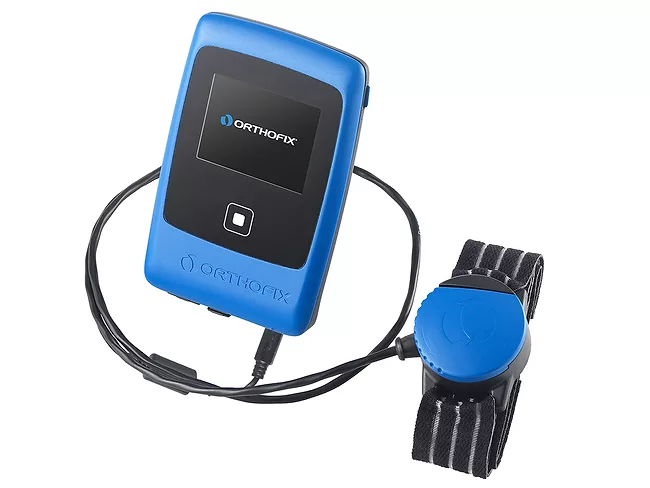
Orthofix Medical Inc. continues to expand its bone growth product line with a new premarket approval from the FDA for its Accelstim bone healing therapy device. Indicated for certain fresh fractures and fractures that have not healed, the device uses low-intensity pulsed ultrasound to stimulate the natural healing process. The company plans to take a phased approach to the launch, which will begin within weeks.
The attempt by the U.S. FDA to harmonize its Quality System Regulation (QSR) with ISO 13485 promises to be a difficult slog, but Jeff Shuren, director of the agency’s device center, said the agency is flexible on the proposed one-year implementation deadline. However, Shuren also noted that the draft rule would not be converted into a final rule at any point during the current calendar year, leaving device makers with an extended term of uncertainty.
The U.S. FDA has been scrutinizing surgical meshes for safety considerations for longer than a decade, but litigation continues to dot the legal landscape. An appeals court in the state of California decreed recently that Johnson & Johnson of Franklin Lakes, N.J. must pay more than $300 million over allegations that its Ethicon subsidiary had downplayed to patients the risks associated with its pelvic meshes, but J&J said its next step is to appeal the outcome in the state’s highest court.
The FDA’s device center issued a safety communication advising that non-invasive genetic prenatal screening tests that are used to establish whether a fetus has a genetic abnormality can yield incorrect results. The problem stems in part from the fact that the agency has not yet reviewed any such tests, which are often administered as lab-developed tests (LDTs).
When the U.S. FDA convened its Vaccines and Related Biological Products Advisory Committee (VRBPAC) April 6 to advise on a path forward to the next generation of COVID-19 vaccines and boosters, there was a lot of talk about all the unknowns.
Citing the lack of clear evidence that vaccine protection against severe COVID-19 disease is substantially waning in the EU in people younger than 80, the European Centre for Disease Prevention and Control and the EMA’s COVID-19 task force concluded that it’s too early to consider using a fourth dose, or second booster, of mRNA COVID-19 vaccines in the general population.
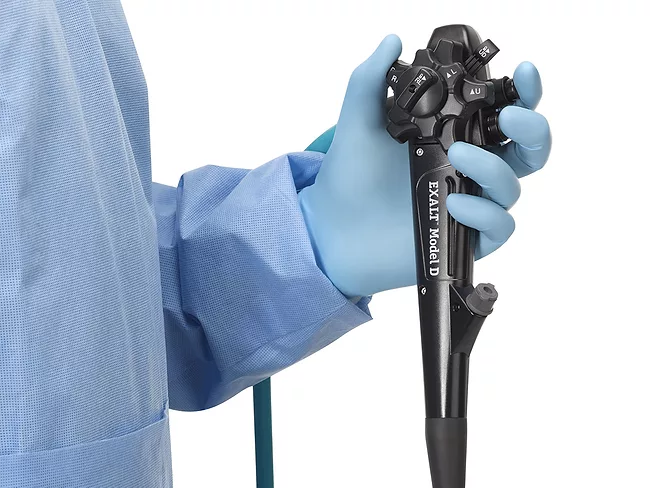
The FDA has updated its recommendations for the use of duodenoscopes, which have been at the center of ongoing concerns regarding sterility for several years. The agency is again recommending that U.S.-based facilities use duodenoscopes with disposable parts or fully disposable duodenoscopes, but facilities that want to comply with those recommendations will face a much higher cost of use, according to several sources of cost data.
Executives of Spero Therapeutics Inc. evaded analysts’ attempts to clarify “deficiencies” noted by the U.S. FDA in its ongoing review of the company’s NDA seeking approval of oral carbapenem antibiotic tebipenem HBr for complicated urinary tract infections (cUTIs), emphasizing instead that they have three months to work with the regulator ahead of a June 27 PDUFA date assigned to the application.