Keeping patients at the center of clinical trials is how the global pharma industry views decentralized clinical trials, but bureaucratic red tape from multiple agencies is preventing companies from deploying decentralized trials in South Korea, speakers said during the BIO Korea 2023 conference in Seoul on May 11.
Easyendo Surgical Inc. has won the South Korean Ministry of Food and Drug Safety’s (MFDS) latest breakthrough device designation for its robotized ureteroscope. The device, currently known as Easyuretero, is the first of its type to be developed in South Korea. The next goal for Easyendo will be regulatory approval, said the MFDS. Daejeon, South Korea-based Easyendo is already working towards winning that approval. “We are now preparing to start clinical trials in South Korea, and discussing the start date and scope of the trials with MFDS,” an Easyendo spokesperson told BioWorld.
Vuno Inc. has received its third breakthrough device designation from South Korea’s Ministry of Food and Drug Safety (MFDS), for its artificial intelligence (AI)-based electrocardiogram (ECG) analysis software Vuno Med DeepECG. Vuno is the first company to have three such designations to its name. “We developed Vuno Med DeepECG via long-term ECG data analysis research. With this breakthrough designation, we target expanding our market share in the medical AI industry via our bio-signal businesses. Among these is ECG data, which can help diagnose various heart diseases and has high potential,” Yeha Lee, chairman at Vuno, told BioWorld.
Lunit Inc. won an innovative medical device designation from South Korea’s Ministry of Food and Drug Safety (MFDS). The designation was for Lunit Insight MMG, its commercial artificial intelligence (AI) solution for breast cancer detection from mammography images. The company said that Lunit Insight MMG is now the first medical device of its type to receive the designation, and the company now has its second innovative medical device designation. “All of our commercialized products are now designated innovative medical devices by the MFDS. We will ensure that our Lunit Insight AI products allow medical staff to rapidly and accurately diagnose patients,” said Beomseok Suh, CEO at Lunit.
Eyegene Inc. has received the green light from South Korea’s Ministry of Food and Drug Safety (MFDS) for EG-COVID, its mRNA COVID-19 vaccine, to enter the clinic. Eyegene will now begin a phase I/IIa trial, to be conducted in two stages, to evaluate the vaccine’s safety, tolerability and immunogenicity.
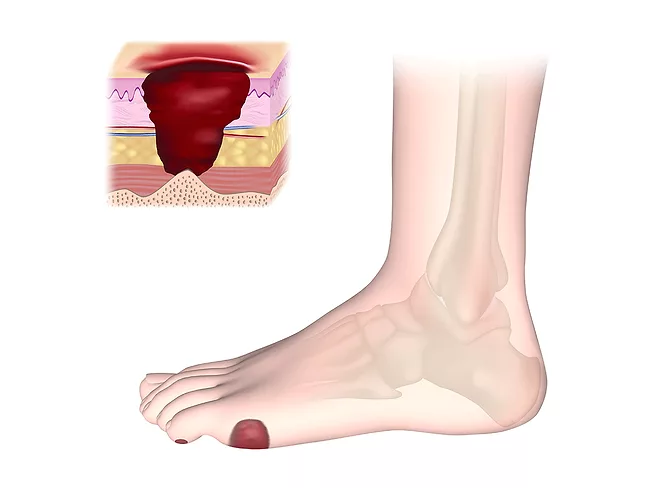
Rokit Healthcare Inc. received approval from South Korea’s Ministry of Food and Drug Safety (MFDS) for Dfurege, its artificial organ platform to treat diabetic foot ulcers. “We hope that having a South Korean approval for this platform will be a boost for our planned IPO,” Seok Hwan You, CEO at Rokit, told BioWorld.
Vuno Inc. received approval from South Korea’s Ministry of Food and Drug Safety (MFDS) for Vuno Med Deepcars, its artificial intelligence (AI) medical device for cardiac arrest prediction. Approval in hand, Seoul-based Vuno will push for wider adoption of its biosignal-based AI technology. Vuno Med Deepcars predicts the probability of cardiac arrest occurring within a 24-hour period by analyzing a patient’s pulse, respiratory rate, diastolic and systolic blood pressure as well as body temperature. The data is collected from the electronic medical record of hospitalized patients.
South Korea’s Ministry of Food and Drug Safety (MFDS) has given innovative medical device designation for Te Bios Co. Ltd.’s artificial cornea, C-Clear, bringing it one step closer to becoming the first artificial cornea to be approved in the country.
HONG KONG – South Korea’s Ministry of Food and Drug Safety (MFDS) has greenlighted Seoul-based Vuno Inc.’s artificial intelligence (AI)-based solution Vuno Med Deepbrain for use as a class III medical device, which is a classification for moderate risk level devices. The MFDS approval was given on Dec. 29, 2021, a Vuno spokesperson told BioWorld, but the company only disclosed the approval earlier in the week. The reasons for the delayed announcement were not disclosed.