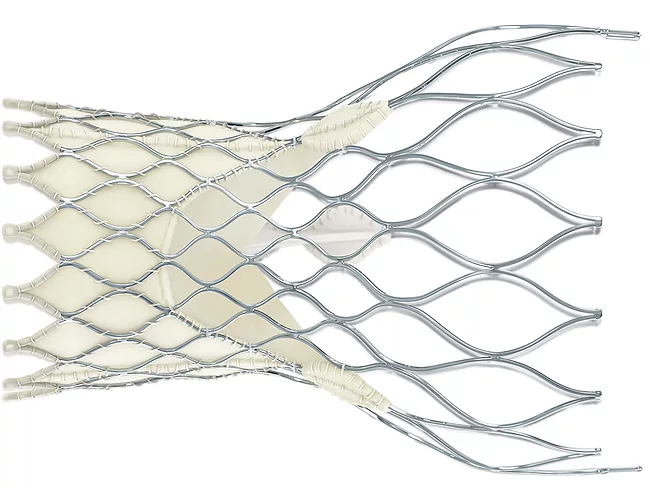
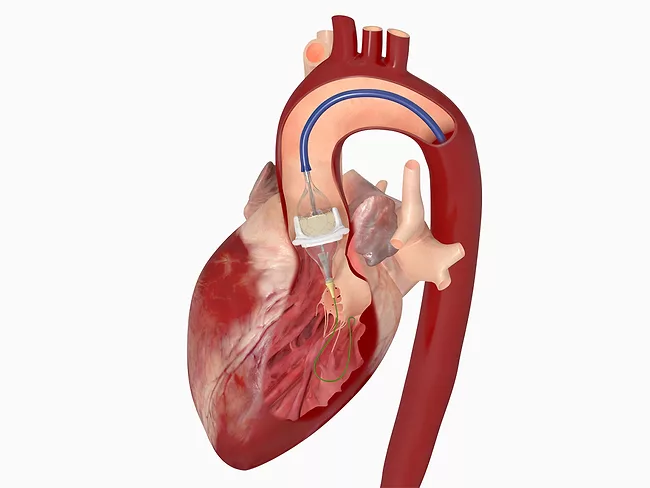
Medtronic plc presented 10-year results from its ongoing trial comparing transcatheter aortic valve implantation with surgical aortic valve replacement. The results support use of the Medtronic Corevalve platform for lower risk of severe valve deterioration compared to surgical replacement.
Peijia Medical Co. Ltd. reported the implant of its Taurustrio transcatheter aortic valve replacement (TAVR) system in a first patient as part of a multi-center trial getting one step closer to launching the first TAVR system for aortic regurgitation (AR) in China.
Transcatheter aortic valve replacement (TAVR) devices are all the rage for treatment of aortic valve disease, but that doesn’t mean valve reconstruction via the so-called Ozaki procedure has been consigned to the pages of medical history. The U.K.’s National Institute for Health and Care Excellence has recommended that trusts in the U.K. health system use this procedure only in clinical trials at least for the time being, although the agency noted that the Ozaki procedure allows the patient to sidestep the need for long-term antithrombotic therapy, a big selling point for patients and clinicians alike.
Device durability for transcatheter aortic valve replacement (TAVR) devices remains topical for patients, payers and regulators, but the standard measure of 10-year data were difficult to obtain for the first decade after the FDA first approved a TAVR device in 2011.
Surgical aortic valve replacement (SAVR) devices are widely believed to be considerably more durable than transcatheter aortic valve replacement (TAVR) devices, but five-year data for Medtronic plc’s Corevalve Evolut, presented this week at the Cardiovascular Research Technologies Conference in Washington, seem to suggest that TAVR devices are closing that gap.
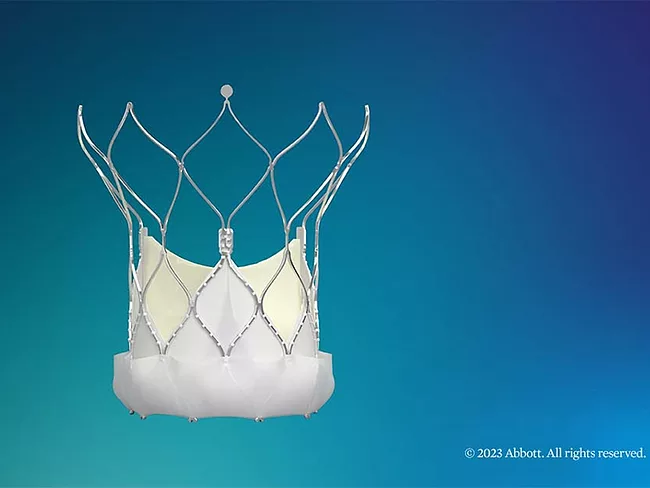
Abbott Laboratories continues to push its presence in the cardiovascular market with offerings for the left atrial appendage (LAA) closure and transcatheter aortic valve implant (TAVI) markets, both of which generated affirmative data presented at this year’s edition of the annual meeting of Cardiovascular Research Technologies (CRT 2023) in Washington.
The patent wars over the design of transcatheter aortic valve replacement (TAVR) devices seemed to disappear roughly nine years ago, but there is at least one more episode for Dublin-based Medtronic plc before the company could lay the issue to rest. A jury declared that Medtronic is liable for more than $100 million in damages over alleged infringement of a patent held by Broomfield, Colo.-based Colibri Heart Valve LLC, but the contested patent has expired, and Medtronic said it intends to pursue the matter further.
Transcatheter aortic valve replacement (TAVR) continues to grow, so it is little surprise that the 2022 Transcatheter Cardiovascular Therapeutics (TCT) annual meeting featured multiple presentations about TAVR-related devices and outcomes. The American College of Cardiology/American Heart Association’s latest guidelines recommends TAVR for patients over age 80 and surgery for those under age 65. Those in the middle can go either way, depending on comorbidities and patient preferences.
Health Canada approved a device which Wayne, Pa.-based Teleflex Inc. described as the first commercially available biomechanical vascular device designed to close large holes in the femoral artery during endovascular catheterization procedures.
Jenavalve Technology Inc. presented first real-world data for a study evaluating the safety and efficacy of its Jenavalve Trilogy transcatheter aortic valve implantation (TAVI) system for the treatment of severe aortic regurgitation (AR). The data, presented at the EuroPCR meeting on May 18, met the primary safety and efficacy endpoints with no major adverse events and no moderate or severe AR at discharge.