Spinal cord injury (SCI) is characterized by the temporary or permanent loss of motion or sensation function caused by damage to the spinal cord. Among the mechanisms behind SCI, neuroinflammation is crucial as it modulates the sequelae of SCI, where microglia play a critical role, with M1 macrophages being the pro-inflammatory ones and M2 the anti-inflammatory phenotype.
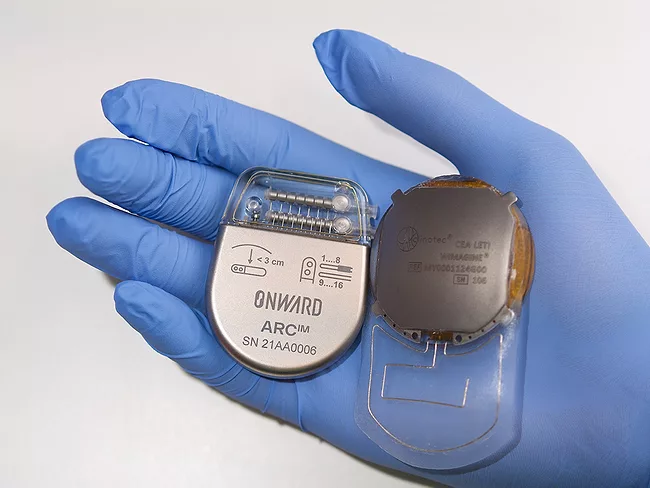
In an effort to shore up its position in a rapidly developing market for brain-computer interface (BCI) technologies, Onward Medical NV signed an exclusive license with France’s CEA-Clinatec to use its BCI chip as part the Arc-BCI system, which restores direct communication from the brain to the spinal cord.
Axonal regrowth is a crucial process for forming a compensatory neuronal network after spinal cord injury (SCI), but this is very limited in the adult mammalian central nervous system.
The central nervous system (CNS) in adult mammals has limited regeneration capacity, and traumatic injuries to the CNS usually lead to permanent functional impairment.
Onward Medical NV successfully implanted its Arc-BCI system, which restores direct communication from the brain to the spinal cord enabling lower limb mobility, into a third patient.
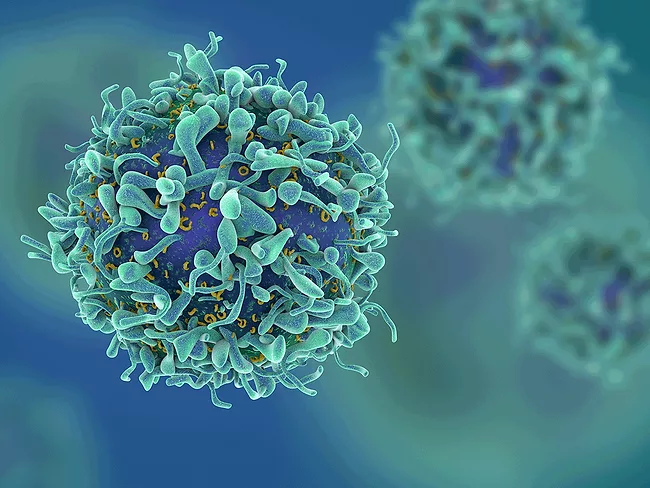
Immunotherapy based on T cells is the vanguard of cancer treatments. Researchers from Washington University in St. Louis have shown that similar approaches using T cells could be applied for treating injuries of the central nervous system (CNS). They reported their findings in Nature on Sept. 4, 2024.
Researchers from Case Western Reserve University and the U.S. Department of Veterans Affairs, continue their development of a neuroprosthetic which comprises a system of implanted or wearable sensors.
Spinal cord injury (SCI) is characterized by extensive demyelination and inflammatory responses. The clearance of microglial lipid droplets contributes to neural recovery and remyelination. Putting the focus on investigating microRNAs that regulate lipid homeostasis after SCI was the objective of a recently published study.
Synaptogenix Inc. has entered into a new collaboration agreement with LSU Health New Orleans’ Neuroscience Center of Excellence for preclinical testing of the company’s polyunsaturated fatty acid (PUFA) analogues.