Alcon AG released second-quarter results Aug. 18, reporting worldwide sales of $1.2 billion. That figure represented a decrease of 36%, or 34% on a constant currency basis, vs. the same period last year as COVID-19 hit all business categories. As Wells Fargo’s Larry Biegelsen noted, the Geneva-based company, which held its call Aug. 19, saw net loss per share coming in worse than expected due to higher selling, general and administrative expenses.
Senseonics Holdings Inc. is one of the latest med-tech companies to release its quarterly numbers, revealing sales of $261,000, a decline of -94.3% year-over-year. That figure may have fallen below SVB Leerink Research’s estimate of $1.6 million and consensus at $1.4 million “given the company's well-telegraphed ongoing strategic review,” wrote Danielle Antalffy in a note. Still, Senseonics had some good news, which Antalffy heralded as “very positive.” That came in the form of a financial and strategic partnership with Ascensia Diabetes Care that revolves around a global commercialization and distribution agreement and a concurrent financing deal.
Orthopedic companies felt pressure from COVID-19 in their most recent quarters. For example, Zimmer Biomet Holdings Inc. reported second-quarter net sales of $1.226 billion, a decrease of 38.3% from the prior-year period. Still, those revenues did come ahead of expectations, as Wells Fargo analyst Larry Biegelsen noted – $432 million ahead of his group's estimate and $305 million ahead of consensus.
Hologic Inc. beat expectations for the third quarter of fiscal year 2020, posting net earnings of $137.9 million, or 53 cents a share, up 46.9% from the same period a year ago. Worldwide revenue declined 3.5% to $822.9 million, due to the divestiture of Cynosure Holdings Inc., but grew 7.7% organically (8.1% in constant currency), as demand for COVID-19 tests offset a slide in other businesses.
Diagnostics testing company Laboratory Corp. of America Holdings Inc. (Labcorp) saw its second-quarter revenue decline by 4% to $2.8 billion, but that still beat the Street consensus of $2.5 billion. Diagnostics revenue fell 3.9% year over year to $1.7 billion, but that was offset by solid demand for the company’s COVID-19 tests.
Edwards Lifesciences Corp. reported better-than-expected results when it released its second quarter earnings late July 23, with revenue down 15% to $924 million, from $1.1 billion in the same period of 2019. The results beat Wall Street consensus of $797.5 million, and reflected an uptick in surgical procedures that had been delayed by the COVID-19 pandemic. The Irvine, Calif.-based company sustained a net loss of $121.9 million, or $0.20 per share, based on generally accepted accounting principles (GAAP), a sharp drop from $242.3 million, or $0.38 per share, in the same quarter last year. However, adjusted earnings looked brighter at $0.34 per share.
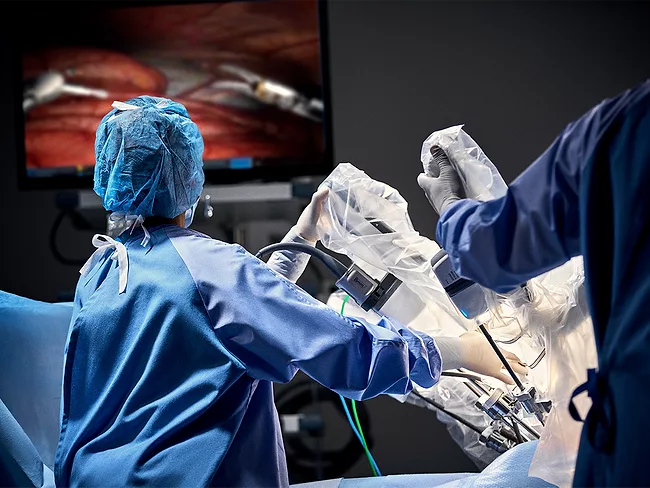
Robotic-assisted surgery-focused Intuitive Surgical Inc. revealed its second-quarter results late July 21, with worldwide Da Vinci procedures falling about 19% vs. the same period of 2019. Driven by this decline, second quarter 2020 instruments and accessories (I&A) revenue fell by 20% to $461 million, vs. $579 million in the second quarter of 2019.
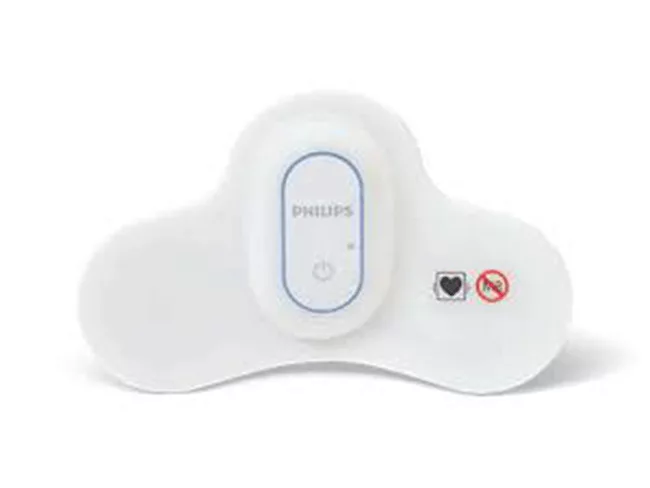
Royal Philips NV reported a 6% decline in year-to-year sales for the second quarter of 2020. While delays in elective procedures suppressed sales in the Amsterdam-based company’s diagnostics and treatment division, the virus boosted demand for connected care and minimized the impact of the coronavirus for the company compared to many competitors.
With COVID-19 causing deferments of medical procedures worldwide, Johnson & Johnson beat Wall Street estimates for the second quarter of 2020, with better than expected performance in its medical device segment. Worldwide sales for the unit totaled $4.29 billion, down 32.5% year over year on an adjusted operational basis vs. the Street’s projected 47% decline.
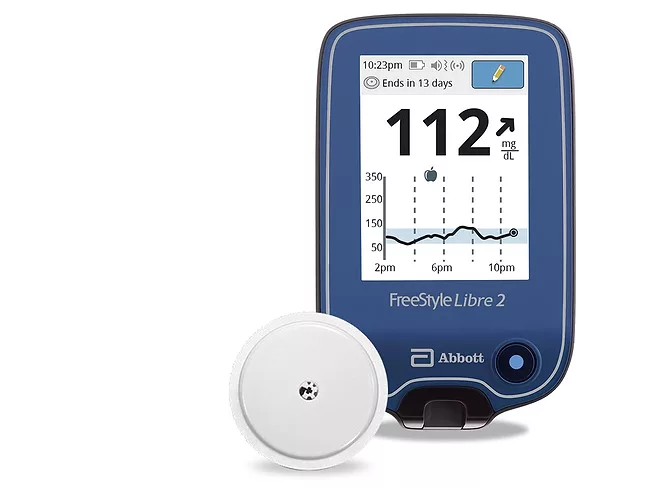
Diversified health care player Abbott Laboratories did better than expected when it reported second quarter earnings. The Abbott Park, Ill.-based company is one of the earliest to start reporting for this period, which in the U.S. was characterized by an initial heavy impact from the ongoing pandemic.