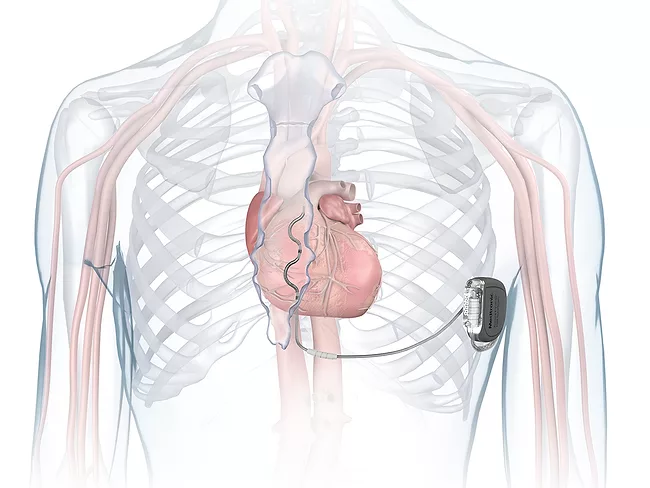
Medtronic plc recently received the CE mark for its Aurora extravascular implantable cardioverter-defibrillator (EV-ICD) strengthening its cardiovascular portfolio which saw a 7% year-on-year growth in the third quarter of its fiscal year 2023.
Insulet Corp. reported much better than expected fourth quarter results, following on Dexcom Inc.’s report of earlier than expected coverage decision from CMS for its just-approved G7 continuous glucose monitor. Insulet (NASDAQ:PODD) soundly beat Wall Street’s expectations for quarterly revenue by $38 million, bringing in $332 million instead of the anticipated $332 million, driven by strong uptake of its Omnipod tubeless insulin pump.
Royal Philips NV revealed plans to cut a further 6,000 jobs on top of the 4,000 announced in October as it sought to stabilize the business and improve its operational performance going into 2023. In total, the company will reduce its workforce by about 13%. Philip’s fourth quarter results came in ahead of consensus expectations, but the company still posted a loss of €105 million (US$108.2 million).
Just days after taking the helm of Royal Philips NV, CEO Roy Jakobs told shareholders that the company plans to “immediately reduce our workforce by around 4,000 roles globally” as a result of multiple challenges that contributed to poorer than expected third quarter results. The company posted a net loss for the quarter, missing consensus, which it attributed to continuing supply chain issues and the deteriorating economic environment.
Shares in Royal Philips NV fell by almost 10% on July 25 after the company stated that its second quarter Q2 sales deteriorated amid supply shortages and prolonged lockdowns in China. Group sales for Philips amounted to €4.2 billion (US$4.29 billion) in the second quarter of 2022, representing a 7% year on year decline. Management reduced its 2022 outlook to 1%-3% organic sales growth from a previously estimated 3% to 5% growth and said it expects growth of between 6% and 9% for the second half of 2022.
Medtronic plc and Davita Inc. have agreed to form a new company focused on therapies for renal disease, which will require Medtronic to donate its current kidney care business to the new company. Davita in turn would have to produce $75 million in cash and another $25 million in other assets, but would also have to make as much as $300 million in other payments, depending on the accomplishment of certain milestones. The news comes as Medtronic reports mildly disappointing sales results for the company’s fourth quarter while opening a new front in the two companies’ presence in the renal disease space.
Before filing financial statements with the U.S. SEC, public companies will need to think about how their business has been impacted by Russia’s invasion of Ukraine and, perhaps, update filings they’ve already submitted.
With one-quarter of China’s population affected by rolling shutdowns, manufacturers worldwide are preparing for a summer of supply chain nightmares. Shanghai and its normally bustling port have been closed now for a month and the nation’s COVID-Zero policy is now threatening Beijing. So far, though, the med-tech industry remains minimally affected, but the coming months may tell a different story.
After a challenging 2021, nerve repair company Axogen Inc. is focusing on building clinical data to turn around its luck. The Alachua, Fla.-headquartered company reported disappointing fourth quarter results, with procedure volume negatively impacted due to COVID-19 and hospital staffing. The Nasdaq-listed company is anticipating results from a major phase III pivotal study comparing its flagship nerve graft product Avance to commercially available products in the second quarter of 2022.
While a number of companies cited continued supply chain issues in recent investor calls and earnings reports, few med-tech leaders have expressed concerns about serious disruption to operations or loss of revenue because of the destruction wrought by the invasion of Ukraine or the associated sanctions on Russia. Most companies derive less than 1% of their revenue from the two countries.