An update from China’s NMPA clarifying registration requirements and classification methods for drug-device combination products has been welcomed by industry as the regulator seeks to keep pace with fast-moving developments in the sector.
Akeso Inc. became the fifth company to score an approval for a homegrown PD-1 antibody in China, with penpulimab cleared for relapsed or refractory (r/r) classic Hodgkin’s lymphoma (cHL). The company is seeking more approvals for nasopharyngeal and lung cancers in both China and the U.S. to stand out in the increasingly competitive PD-1 space.
China’s drug regulator granted a first CAR T therapy approval to Fosun Kite Biotechnology Co. Ltd.’s FKC-876. Marketed as Yescarta (axicabtagene ciloleucel) in the U.S. and EU, the approval by the National Medical Production Administration for the CD19-directed CAR T therapy came 3.5 years after the FDA nod.
Suzhou Zelgen Biopharmaceuticals Co. Ltd. won approval from China’s NMPA for Zepsun (donafenib tosylate) to treat patients with unresectable hepatocellular carcinoma who have not received systemic treatment.
Drug regulators throughout China cracked down last year on companies manufacturing and selling counterfeit and substandard drugs and active pharmaceutical ingredients.
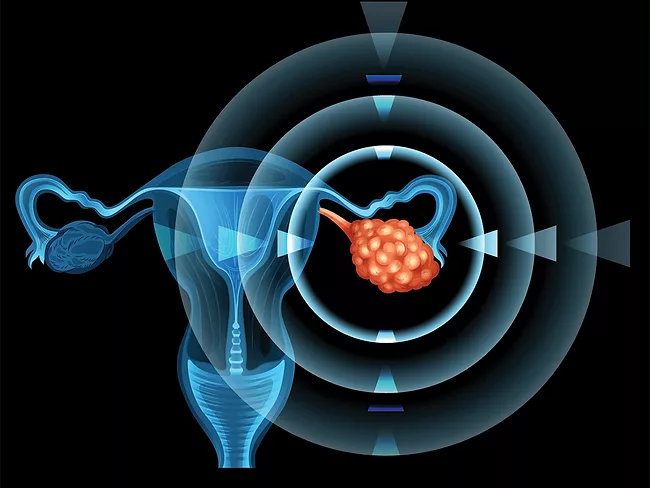
Beigene Ltd.’s PARP inhibitor, pamiparib, won conditional approval from China’s National Medical Products Administration for treating patients with germline BRCA mutation-associated recurrent advanced ovarian, fallopian tube or primary peritoneal cancer who have been treated with two or more lines of chemotherapy.
Since joining the International Council for Harmonization of Technical Requirements for Pharmaceuticals for Human Use in 2017, China has approved clinical trials and marketing of drugs a lot faster with simultaneous clinical development at home and abroad.
HONG KONG – The revisions for China’s Regulations for Supervision and Administration of Medical Devices, which promise harsher penalties and post-market enforcements, will come into effect on June 1, 2021. The revisions see authorities take a more progressive and aggressive approach to the regulatory enforcement of medical device products in China.
Beigene Ltd.’s PARP inhibitor, pamiparib, won conditional approval from China’s National Medical Products Administration for treating patients with germline BRCA mutation-associated recurrent advanced ovarian, fallopian tube or primary peritoneal cancer who have been treated with two or more lines of chemotherapy.
Now drugmakers can gain instant access to hospitals in Hainan province right after their innovative drugs are approved by China’s National Medical Products Administration to skip market entry hurdles.