Delphinus Medical Technologies Inc. raised $30.4 million in a series D fundraising round to support worldwide commercialization of its Softvue 3D whole breast ultrasound tomography system. Both new and existing investors kicked in funds including Arboretum Ventures, Beringea, North Coast Technology Investors, Venture Investors, Hopen Life Science Ventures and Waycross Ventures.
For people with the grim diagnosis of pancreatic cancer, the news may have gotten just a shade brighter. Researchers at the Mayo Clinic Comprehensive Cancer Center found that using 18-fluorodeoxyglucose (FDG) tracer with positron emission tomography (PET) provides a preoperative predictor of tumor response to chemotherapy and survival in patients with borderline resectable or locally advanced pancreatic cancer. The finding could change recommended practice for one of the deadliest forms of cancer and improve outcomes for patients.
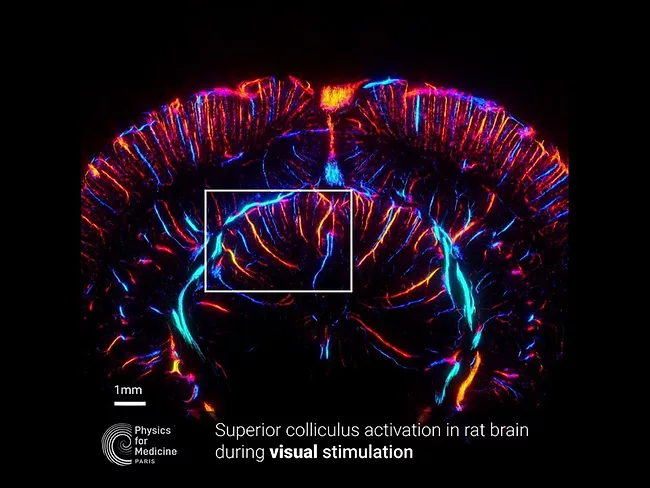
Researchers from ESPCI Paris (Paris University for Industrial Physics and Chemistry), are working on a novel functional neuroimaging technique for measuring whole-brain activity dynamically at the microscopic level.
Carbon Medtech (Shenzhen) Co. Ltd. reported that it has raised “tens of millions of yuan” from its pre-A+ round financing. This financing was jointly led by Jinding Capital and Shenzhen Small & Medium Enterprises Credit Financing Guarantee Group Co. Ltd.
Researchers at Massachusetts General Hospital (MGH) and the Massachusetts Institute of Technology (MIT) have developed a deep learning computer model that expands on the ability to identify discrete data contained in breast imaging to better predict a woman’s chances of developing breast cancer.
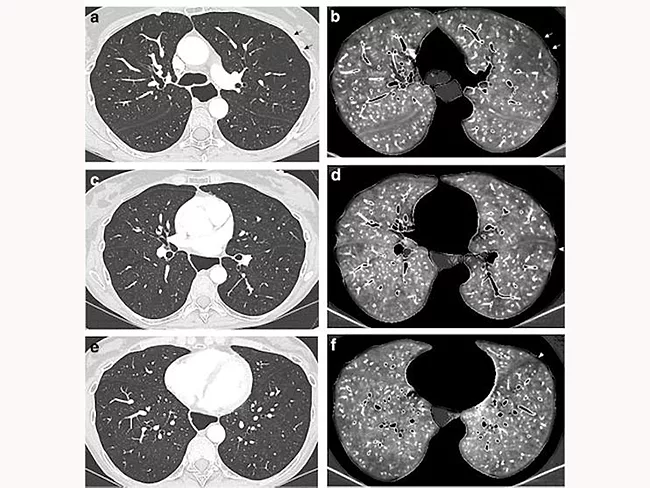
A research team from Lille University Hospital in France has recently demonstrated that dual-energy computed tomography lung perfusion can provide valuable additional information for standard CT scans by visualizing perfusion changes in systemic sclerosis patients with normal or minimally infiltrated lung parenchyma. This clinical research team published their findings this summer in European Radiology.
Shanghai United Imaging Healthcare Co. Ltd. went public in the Shanghai Stock Exchange STAR Market and raised ¥11 billion (US$1.6 billion) in its initial public offering.
Exo Inc. acquired Medo Dx Pte, an artificial intelligence (AI) developer, to make its point-of-care ultrasound imaging even easier to use. Medo brings two FDA-cleared artificial intelligence algorithms that draw on a library of millions of ultrasound images and health data to expand the settings for ultrasound and the reduce the expertise required for its use. Terms of the deal were not disclosed.
Developers of artificial intelligence (AI) and machine learning (ML) algorithms in medical radiology tend to think of regulatory approval as the primary hurdle to market, but there is also the question of how to pay for the use of these products. Public and private payers obviously hold the purse strings, but appealing to payers is still not always as straightforward proposition as some would like, reinforcing the notion that coverage and reimbursement still combine to serve as one of the highest hurdles to market for AI and ML.
Artificial intelligence (AI) and machine learning (ML) algorithms for use in medical radiology have made tremendous inroads into clinical practice, but one of the key stakeholder groups, physicians, aren’t always persuaded of the benefits of these software products. In this second installment of a six-part series, BioWorld asked Bibb Allen, Jr., chief medical officer for the Data Science Institute of the American College of Radiology, what physicians want, and what physicians see as a trend toward me-too AI.