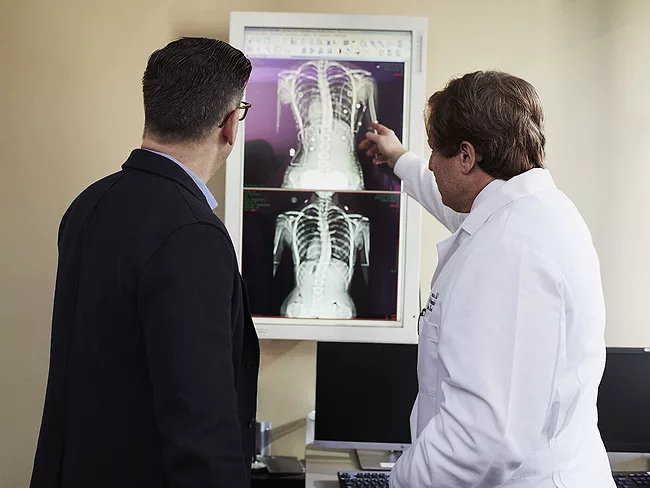
Qure.ai Technologies Private Ltd.’s Qxr artificial intelligence-powered chest X-ray interpretation system identified high-risk pulmonary nodules an average of 32 months before physicians diagnosed lung cancer, a study presented September 8 at the International Association for the Study of Lung Cancer 2024 World Conference on Lung Cancer in San Diego found.
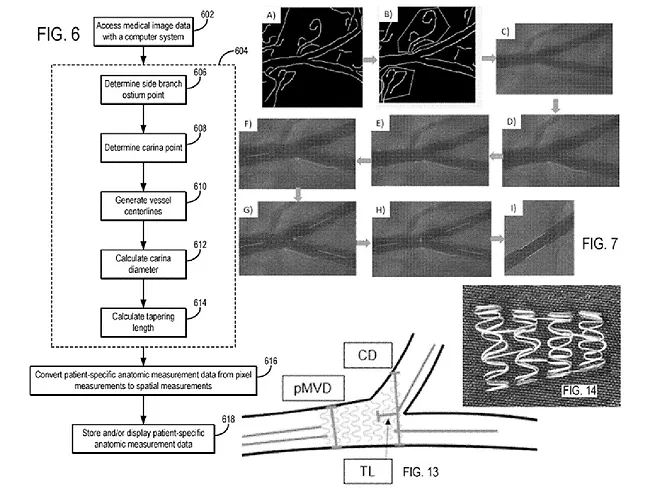
Researchers from the University of Arkansas have filed for protection of their development of systems and methods to aid angioplasty procedures in coronary artery bifurcations, where a major artery splits into smaller blood vessels.
The clearance by the U.S. FDA of Healthccsng V2.0, an artificial intelligence cardiac solution developed by Nano-x Imaging Ltd.’s (Nanox) subsidiary, Nanox.AI, is highly “significant” for the company and will offer “substantial” benefits to cardiology departments by significantly enhancing the detection of coronary artery calcification, Erez Meltzer, Nanox CEO told BioWorld.
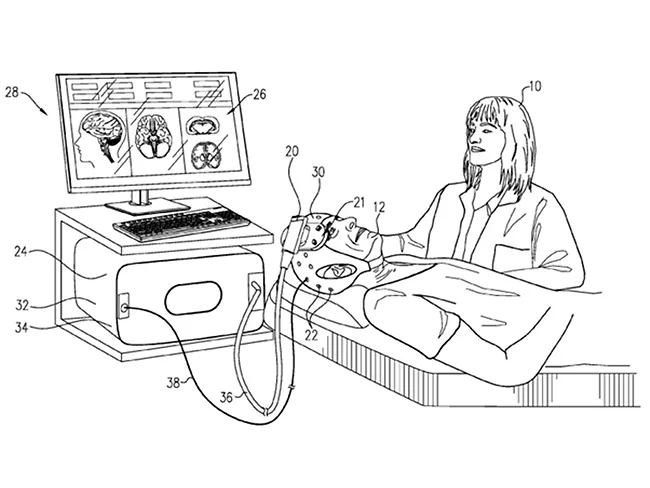
Quantalx Neuroscience Ltd. filed for protection of a system and method for the diagnosis of normal pressure hydrocephalus and prediction of patient response to ventriculoperitoneal shunting surgery treatment. The U.S. FDA granted the company’s Delphi-MD breakthrough device designation for these indications in May 2023.
A new study published by researchers from the Tokyo University of Science (TUS) unveiled a new machine learning-aided, non-invasive imaging framework for rapid liver lipid visualization, which could help diagnose and treat steatotic liver diseases (SLD).
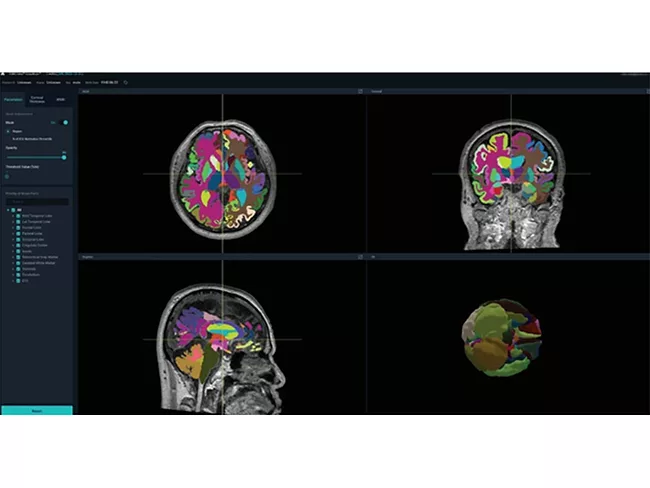
Vuno Inc. gained a U.S. FDA’s 510(k) clearance for its artificial intelligence (AI)-powered brain quantification device, Vuno Med-Deepbrain, to diagnose possible dementia in patients “even before mild cognitive impairment.”
Neve Ilan, Israel-based Nano-X Imaging Ltd., had rocked the world of medical imaging with promises of X-ray imaging systems that provide low-cost tomosynthesis, but the U.S. Securities and Exchange Commission says the company overpromised on the low-cost claim. The SEC said the actual production cost of the Nano-X ARC systems is at least double the $12,000 per-unit figure routinely touted by the company’s former CEO, Ran Poliakine, a factual misrepresentation that helped the company raise $165 million in an initial public offering.
The U.S. Centers for Medicare & Medicaid Services has proposed to terminate the coverage with evidence development requirement for the use of positron-emission tomography (PET) imaging for patients suspected of suffering from beta amyloids, a marker of Alzheimer’s disease (AD). However, CMS is also considering a removal of the coverage policy that limits each patient to a single PET scan per lifetime, although the proposal to allow Medicare administrative contractors (MACs) to determine coverage is drawing fire from industry and physician groups alike.
Developers of medical technology have many concerns about the U.S. Centers for Medicare & Medicaid Services’ (CMS) handling of coverage and reimbursement, but those controversies have typically revolved around process. A new report sponsored by industry steers a somewhat different tack, however, arguing that while there are issues of process, one key issue is that of funding, a problem that only Congress can remedy.
Histoindex Pte Ltd.'s’s artificial intelligence (AI)-enabled tissue imaging technology more accurately measures the change in fibrosis than current pathology tests, the company said.