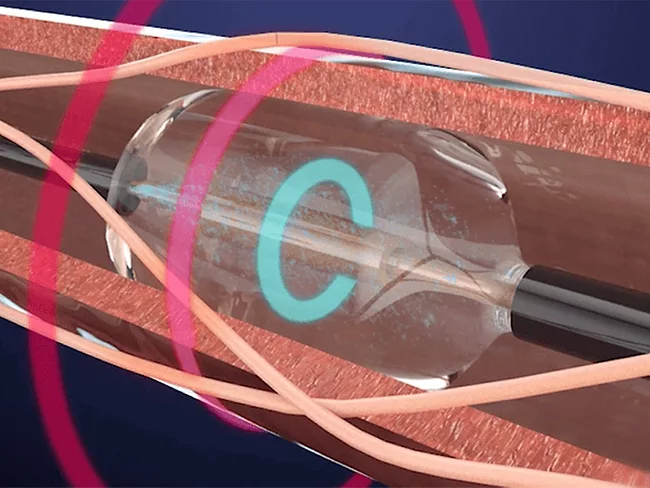
U.S. Medicare coverage of renal denervation (RDN) for uncontrolled hypertension may soon be a fact of life if the manufacturers of these systems have their way. CMS opened a national coverage analysis for RDN, but as is routine practice recently, the agency is asking for comment before posting even a draft coverage memo for this technology.
The discussion about taxpayer appropriations for CMS has been ongoing for decades, leading to futile speculation regarding user fees for the agency. Louis Jacques, who formerly worked at CMS, told BioWorld that Congress tends to be somewhat reactive when it comes to appropriations for CMS – a dynamic which suggests that appropriations for CMS are not likely to improve significantly in the near term.
Medicare coverage of FDA-designated breakthrough devices is still a policy hot topic. Although the House of Representatives generated some momentum on related legislation, the Senate is now examining the Ensuring Patient Access to Critical Breakthrough Products Act for potential passage in the lame duck session – a development that would draw enthusiastic cheers from industry.
When U.S. CMS Administrator Chiquita Brooks-LaSure announced Nov. 26 that the agency is “reinterpreting” the law in proposing a rule allowing Medicare and Medicaid to cover obesity drugs beginning in 2026, she called it a “historic step.” The rule, if finalized, could make obesity drugs like Novo Nordisk A/S’ Wegovy (semaglutide) and Eli Lilly and Co.’s Zepbound (tirzepatide) available to millions more Americans and further invigorate development of other obesity drugs. But given the lateness of the day in the Biden administration, the proposal may be more symbolic than historic.
The U.S. Centers for Medicare & Medicaid Services posted a Sept. 6 statement regarding a cyber incident involving nearly 950,000 patient records held by a Medicare administrative contractor.
The coverage with evidence development (CED) process employed by the U.S. Medicare program may suffer from underutilization, but the authors of a new article in Value in Health see the attendant problems as administrative in nature. The issues include, but are not limited to, a lack of predictability as to when a CED study would be required for coverage of a medical device.
The U.S. Medicare draft prospective payment system for end-stage renal disease encodes a few changes that will cheer industry, including a provision that would increase patient access to pharmaceuticals that are available only in oral form.
The problems with U.S. Medicare coverage for medical software are well known, but the Medicare Payment Advisory Commission recently indicated that these problems are largely manageable for services delivered via managed care plans.
After snaring the U.S. FDA’s approval for the Evoque tricuspid valve device, Edwards Lifesciences Corp. petitioned the Centers for Medicare & Medicaid Services for a national coverage determination for transcatheter tricuspid valve replacement devices.
The device industry has been clamoring for legislation that would require Medicare coverage for FDA-designated breakthrough devices, a wish that is one step closer to fulfillment as of June 27.