The U.S. Senate Finance Committee has its work cut out for it as it crafts bipartisan legislation “that will take on the worst practices by drug-pricing middlemen and ensure that the prescription drug supply chain is pulling in the same direction: more competition and lower costs for patients and taxpayers,” committee Chair Ron Wyden (D-Ore.) said.
The success of the President’s Emergency Plan for AIDS Relief (PEPFAR) over the past 20 years is one of the biggest challenges in reaching its goal of eliminating HIV as a global public health threat by 2030, members of the U.S. Senate Foreign Relations Committee were told as they moved toward reauthorizing the program for another five years.
As an April 15 deadline looms, the U.S. Court of Appeals for the Fifth Circuit is being asked to intervene immediately to keep mifepristone on the U.S. market as an abortion option while legal challenges continue to play out in court.
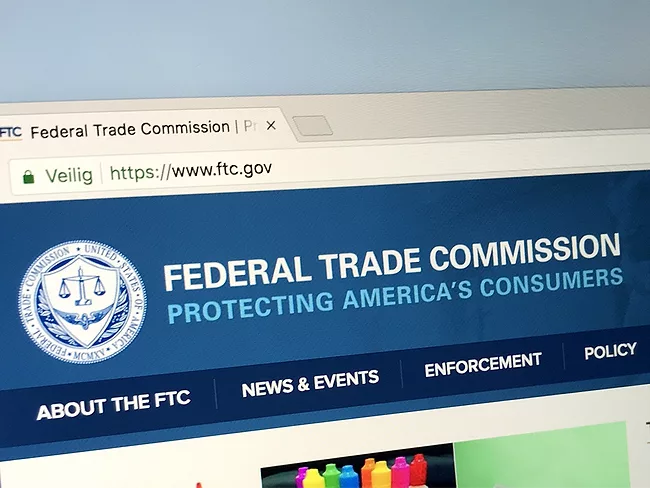
If the Feb. 16 hearing before the U.S. Senate Commerce Committee is anything to go by, it’s almost a given that the bipartisan Pharmacy Benefit Manager (PBM) Transparency Act will eventually be passed by the Senate. But its journey through the Republican-controlled House could be more uncertain in light of growing concerns about an “activist agenda” at the FTC.
U.S. drug prices continue to be in the crosshairs of Congress, with the Senate Judiciary Committee once again sending five bipartisan bills targeting anticompetitive pricing tactics to the full Senate Feb. 9 with do-pass recommendations.
In the wake of ongoing criticism over the U.S. FDA’s 2021 accelerated approval of Biogen Inc.’s Alzheimer’s drug, Aduhelm, the percentage of novel drugs receiving accelerated approval last year was the lowest it’s been since 2018.
Topping biopharma regulatory news in 2022 was the signing of the Inflation Reduction Act (IRA), as its provisions requiring Medicare to directly negotiate certain prescription drug prices will open the door for the first time to a degree of government price controls in the U.S., affecting the bottom line of drug companies around the world.
Ironically, one of the casualties of the COVID-19 pandemic is an overdue review and revision of U.S. dual use research of concern (DURC) policies, as well as the Department of Health and Human Services’ Potential Pandemic Pathogen Care and Oversight guidance. Consequently, several senators are asking the White House to halt all ongoing and new viral gain-of-function and DURC studies in the life sciences that involve enhanced pathogens of pandemic potential.
Ironically, one of the casualties of the COVID-19 pandemic is an overdue review and revision of U.S. dual use research of concern (DURC) policies, as well as the Department of Health and Human Services’ Potential Pandemic Pathogen Care and Oversight guidance. Consequently, several senators are asking the White House to halt all ongoing and new viral gain-of-function and DURC studies in the life sciences that involve enhanced pathogens of pandemic potential.
Ironically, one of the casualties of the COVID-19 pandemic is an overdue review and revision of U.S. dual use research of concern (DURC) policies, as well as the Department of Health and Human Services’ Potential Pandemic Pathogen Care and Oversight guidance. Consequently, several senators are asking the White House to halt all ongoing and new viral gain-of-function and DURC studies in the life sciences that involve enhanced pathogens of pandemic potential.