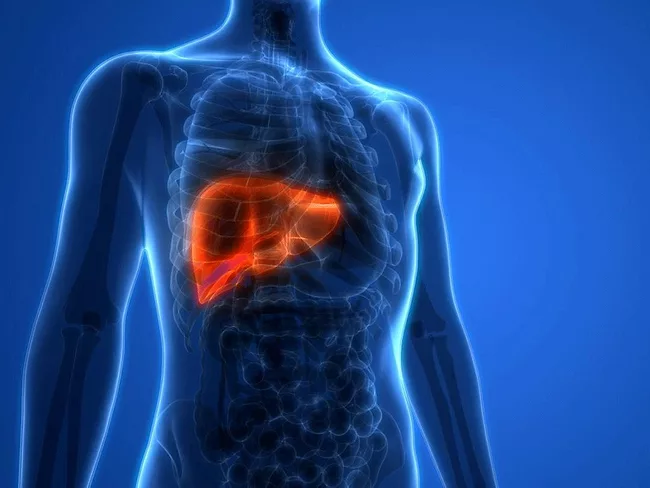
In contrast to most adult mammalian tissues, the liver can regenerate itself to an impressive degree. That regeneration is critical to survival – as a key digestive organ, the liver deals with all sorts of toxins, from rotten-ish food in the wild to alcohol in more cultured settings.
Researchers at Oregon Health and Science University have used mouse models to estimate the frequency at which gene therapies delivered by adeno-associated virus (AAV) vectors integrated into host DNA, and come up with an estimate of up to roughly 3% – a number that is orders of magnitude higher than previous estimates and would translate into several hundred million cells with integrated viral vectors in an adult liver, assuming that 10% of cells took up the transgene.
Researchers at Oregon Health & Science University have turned acetaminophen's toxicity into an asset, using it to select genetically modified hepatocytes in vivo.
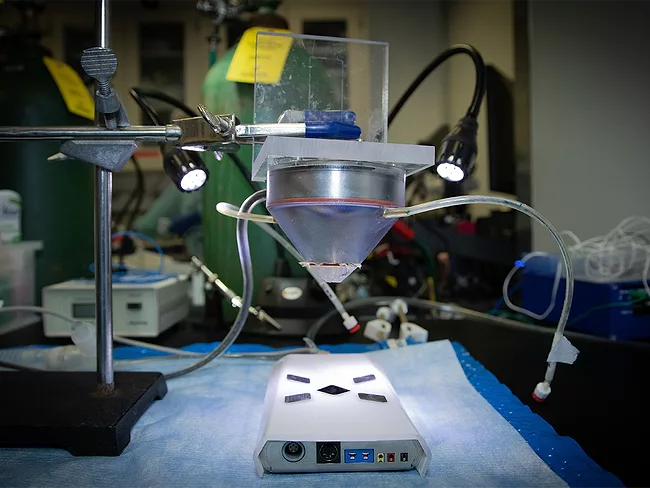
Stimulating the liver with focused ultrasound decreased obesity, chronic inflammation and metabolic dysfunction in preclinical studies, reported GE Research and the Feinstein Institutes for Medical Research, the research arm of Northwell Health. In a study published in Scientific Reports, researchers demonstrated that nerve modulation with ultrasound in mice helped regulate neurons involved in food intake, glucose regulation and metabolism without negative side effects.
With an eye toward helping those with early stage hepatocellular carcinoma (HCC), Basel, Switzerland-based Roche Group has won a breakthrough device designation from the U.S. FDA for the Elecsys GALAD score. When combined with ultrasound, the Elecsys GALAD score aims to help provide more accurate information for clinicians to treat patients at an earlier stage.
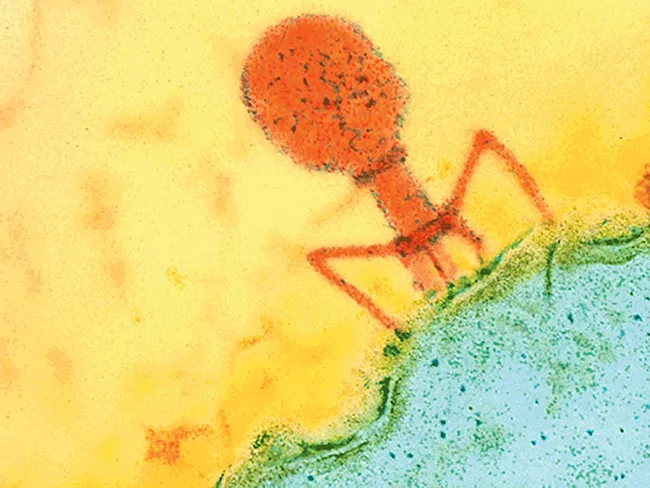
BOSTON – Researchers presented data at The Liver Meeting 2019 and in Nature this week demonstrating that bacteriophages targeted to specific members of the microbiome could be useful in fighting two different liver diseases.
BOSTON – Researchers presented data at The Liver Meeting 2019 and in Nature this week demonstrating that bacteriophages targeted to specific members of the microbiome could be useful in fighting two different liver diseases.
DUBLIN – Versantis AG raised CHF16 million (US$16.1 million) in a series B round to progress clinical trials of a liposomal-based fluid in development for eliminating ammonia and other toxic metabolites from the circulation of patients in acute stages of liver failure who are undergoing peritoneal dialysis.
By preventing ice formation while cooling human livers below freezing, researchers have managed to extend the viable lifespan of donated livers threefold.