Suzhou-China based Cstone Pharmaceuticals Co. Ltd., which in-licensed RET inhibitor pralsetinib from Blueprint Medicines Corp. in 2018, has won Chinese approval for the drug to treat adult patients with locally advanced or metastatic RET fusion-positive non-small-cell lung cancer after platinum-based chemotherapy. Already approved as Gavreto in the U.S., the drug is Cstone’s first product approved in China and the country’s first selective RET inhibitor.
HONG KONG – Hutchison China Meditech Ltd. (Chi-Med) earned approval from China’s National Medical Products Administration (NMPA) for Sulanda (surufatinib) for the treatment of non-pancreatic neuroendocrine tumors (NETs).
HONG KONG – Hutchison China Meditech Ltd. (Chi-Med) earned approval from China’s National Medical Products Administration (NMPA) for Sulanda (surufatinib) for the treatment of non-pancreatic neuroendocrine tumors (NETs), marking what CEO Christian Hogg called a “major milestone” as the first drug to be discovered and developed by Chi-Med without the support of a development partner.
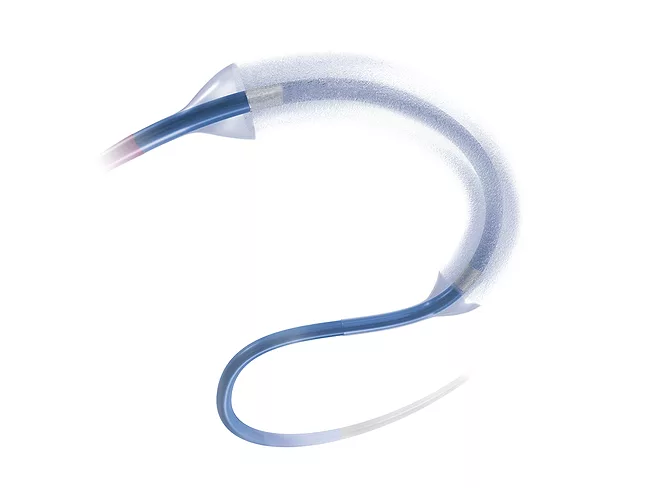
Boston Scientific Corp. has scooped up an approval from the U.S. FDA for the Ranger drug-coated balloon to help those with peripheral artery disease in the superficial femoral artery and proximal popliteal artery.
While a significant number of clinical trial delays occurred during the month of April, it was business as usual from a regulatory standpoint for companies with late-stage therapies ready for the market and for those targeting underserved patient populations.
It's been a busy September for Ardelyx Inc. so far. Less than two weeks after the Fremont, Calif-based company reported promising pivotal data for tenapanor in chronic kidney disease patients with hyperphosphatemia, the sodium hydrogen exchanger 2 (NHE3) inhibitor won FDA approval for use in irritable bowel syndrome with constipation (IBS-C).
Irvine, Calif.-based Axonics Modulation Technologies Inc., which has developed an implantable rechargeable sacral neuromodulation (r-SNM) device for the treatment of urinary and bowel dysfunction, has won the FDA's nod for its system to help patients with fecal incontinence.
After two complete response letters (CRLs), Agile Therapeutics Inc. with its Twirla (levonorgestrel/ethinyl estradiol) contraceptive patch – hounded by FDA concerns regarding manufacture and adhesion properties – might just be on the road to success.