The Biden administration’s May 5 about-face on the proposed TRIPS waiver of intellectual property (IP) protections for COVID-19-related medical products is not playing well with U.S. industry, EU trading partners and others concerned about the long-term unintended consequences.
The 2021 Special 301 Report recently released by the U.S. Trade Representative is mostly déjà vu for the 32 countries included on the Priority Watch and Watch Lists, as all of them have appeared before on the lists that call out U.S. trading partners for unfair intellectual property practices that disadvantage foreign companies.
The latest salvo in the debate over patents protecting COVID-19-related drugs, devices and vaccines came this week from U.S. industry organizations, including Advamed, the Biotechnology Innovation Organization and the Pharmaceutical Research and Manufacturers of America.
Saudi Arabia, which last year made its first appearance on the U.S. Trade Representative’s (USTR) Priority Watch List, is back on the list this year and is being singled out for an out-of-cycle review due to what the USTR calls its “unfair commercial use” and “unauthorized disclosure” of proprietary data submitted for drug approvals.
Saudi Arabia, which last year made its first appearance on the U.S. Trade Representative’s (USTR) Priority Watch List, is back on the list this year and is being singled out for an out-of-cycle review due to what the USTR calls its “unfair commercial use” and “unauthorized disclosure” of proprietary data submitted for drug approvals.
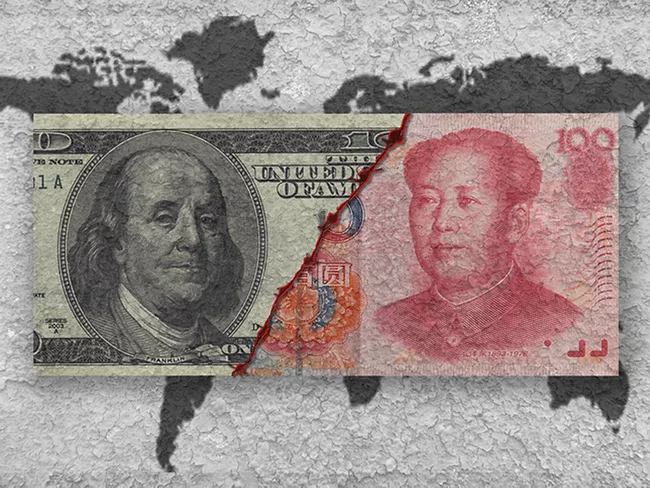
Time will tell whether what the Trump administration is calling a “historic” and “landmark” trade agreement with China will better enable drug and device companies to more fairly compete in the Chinese market without having to sacrifice their intellectual property (IP) and technology.
Time will tell whether what the Trump administration is calling a “historic” and “landmark” trade agreement with China will better enable drug and device companies to more fairly compete in the Chinese market without having to sacrifice their intellectual property (IP) and technology.