In the ultra-rare disease congenital hyperinsulinism, an overproduction of insulin leads to persistent hypoglycemia and can cause neurological complications due to high glucose needs of the brain. About half of children go on to develop seizures or intellectual problems, but current therapeutic options are limited and there are no approved drugs specifically for the condition.
Even as the court challenges continue, the first round of U.S. government price negotiations for selected Medicare Part D drugs officially began Oct. 1 with manufacturers of those drugs having to sign agreements to participate in the process. While the Centers for Medicare & Medicaid Services had yet to disclose, as of press time, how many manufacturers signed the negotiation agreements, all the companies with selected drugs reportedly had indicated they would sign by the deadline even as they pursue litigation.
The queue of lawsuits challenging the constitutionality of the U.S. Inflation Reduction Act’s (IRA) prescription drug price negotiations continues to grow. Novartis AG is the latest drug company, but probably not the last, to join the line. It filed its challenge in federal court in New Jersey Sept. 1, a few days after the Centers for Medicare & Medicaid Services included the company’s heart failure drug, Entresto (sacubitril and valsartan), on its list of the 10 drugs subject to the first round of IRA negotiations.
Novo Nordisk A/S has entered into exclusive negotiations for a controlling stake in Biocorp SA, suppliers of Mallya, a Bluetooth-enabled smart add-on device for insulin pen injectors. The takeover will be phased over several stages. Novo Nordisk has initially negotiated with Bio Jag SAS, Biocorp’s principal shareholder, to purchase its entire stake in Biocorp, representing 45.3% of the share capital and 62.19% of the voting rights. Certain minority shareholders, including Nyenburgh Holding BV, Greenstock EIG and Vatel Capital SAS, who together account for 19% of Biocorp’s shares, have agreed to transfer their shares to Novo Nordisk once acquisition of the Bio Jag stake is complete.
Eli Lilly and Co. is paying $13.5 million to bow out of a class action lawsuit that claimed the list price of several insulin analogue products was fraudulent. Lilly also committed to capping the monthly patient out-of-pocket cost at $35 for its insulin products for at least four years, bringing the total value of the settlement, announced May 26, to more than $500 million, according to the attorneys who filed the class action on behalf of patients in 2017.
Following up on a bipartisan effort to keep down the costs of insulin, U.S. Sens. Susan Collins (R-Maine) and Jeanne Shaheen (D-N.H.) reintroduced a bill on April 20 to ensure patients with diabetes can access the life-saving medicine without the excess costs associated with drug rebates and stymied competition.
Despite the new Medicare inflation rebate, the U.S. price of 27 Part B drugs grew faster than inflation in the last quarter of 2022, triggering the new rebate provision in the Inflation Reduction Act. The manufacturers of those single-source drugs will be billed for the rebates in 2025, but Medicare beneficiaries should see a drop in their coinsurance for those drugs, for the next quarter at least. According to the Biden administration, the decrease in out-of-pocket costs for those drugs will range from $2 to as much as $390 per average dose from April 1 through June 30.
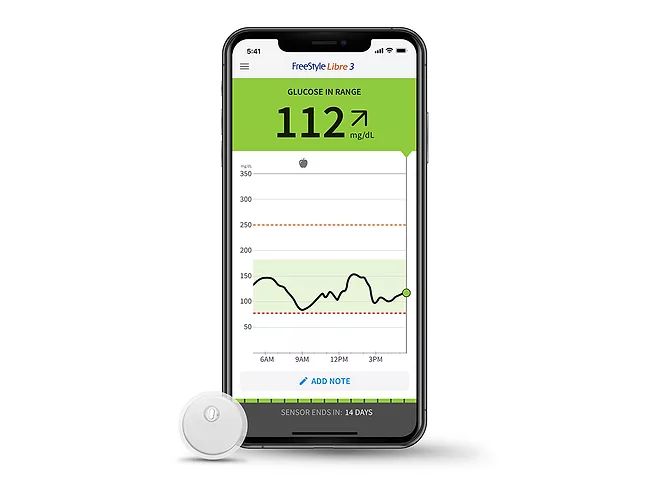
Abbott Laboratories received U.S. FDA clearance for the Freestyle Libre 2 and Freestyle Libre 3 continuous glucose monitoring (CGM) sensors for integration with automated insulin delivery (AID) systems. AID systems automatically adjust and administer insulin via a pump based on blood glucose levels determined by the sensors. Abbott said it was partnering with multiple AID manufacturers in the U.S. and Europe.
U.S. Sen. Bernie Sanders (I-Vt.) sent letters to Sanofi SA and Novo Nordisk A/S executives on March 1, urging them to follow Eli Lilly and Co.’s example in cutting prices for their insulin products, offering more affordable access for Americans with diabetes. Industry leaders, however, have long argued that the problem goes far beyond list price, as pharmacy benefit managers and health plans have simply not passed their rebates onto consumers.
If the Feb. 16 hearing before the U.S. Senate Commerce Committee is anything to go by, it’s almost a given that the bipartisan Pharmacy Benefit Manager (PBM) Transparency Act will eventually be passed by the Senate. But its journey through the Republican-controlled House could be more uncertain in light of growing concerns about an “activist agenda” at the FTC.